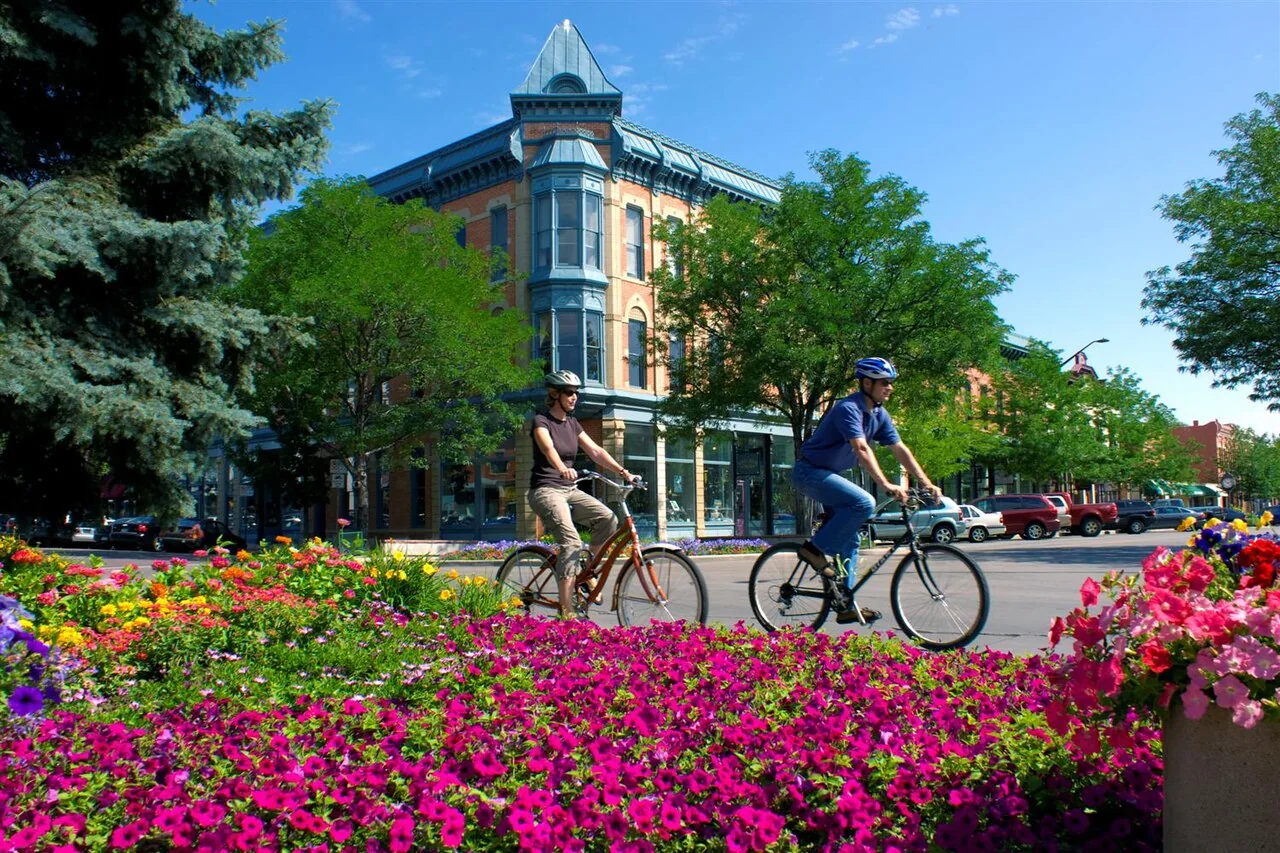

A Fort Collins address can describe an established urban neighborhood, a home near western grasslands or a property whose daily life connects to the foothills. Those settings should not be collapsed into one insurance label. The useful question is what surrounds the particular building and what evidence explains its construction, access and maintenance today.
Poudre Fire Authority offers a locally relevant starting point. Its service area includes the City of Fort Collins and the Poudre Valley Fire Protection District, while nearby canyon properties may fall under other departments. Before arranging an assessment or discussing fire protection with an insurer, confirm the authority responsible for the parcel. The mailing city alone is not enough.
Use the Poudre plan for context, then examine the house
Poudre Fire Authority published an updated Community Wildfire Protection Plan in 2025. The plan is a community planning resource, not an insurance quotation or a promise about any property. Use it to understand the authority's mitigation priorities and to identify questions that need a more specific site review.
For a house near western open space, photograph both the developed yard and the adjoining grass or brush. If the property extends into wooded terrain, include the relationship between trees, slope and structures. On a smaller urban lot, concentrate on building details, fencing and nearby combustible storage. Different evidence is useful in each setting, even when two homes share a postal code.
Poudre Canyon is also a distinct place with its own fire protection organizations and conditions. Do not describe a property as served by Poudre Fire Authority simply because its name includes Poudre. Confirm the actual district, the address used by emergency services and any access details requested by the agent. Accurate jurisdiction information prevents avoidable corrections later.
Ask whether the Gold Letter program fits your situation
Poudre Fire Authority's homeowner wildfire resource describes a Gold Letter program for certain homeowners facing possible loss of insurance because of wildfire risk. It also explains that its mitigation services have geographic and property-related eligibility conditions. Ask the authority whether your address qualifies and what its current process involves before relying on a letter in a renewal timeline.
If you obtain a risk verification letter or assessment, provide the complete document to your licensed agent. Ask which insurer concerns it addresses and what additional evidence is needed. The authority's review and the company's underwriting are separate processes. A letter may help communicate verified conditions, but it should not be represented as a guarantee of coverage, a premium reduction or a reversal of nonrenewal.
Prepare for the visit by listing recent work and unresolved questions. Include roof replacement records, landscape changes, deck repairs and any requests from the current insurer. Ask the assessor to distinguish items you can maintain yourself from work requiring a qualified contractor. An organized visit is more likely to produce a practical sequence of next steps.
Describe access without guessing about response
A home on an ordinary street and a home reached by a longer foothill driveway need different supporting photographs. Record the entrance, house number, gates and any area used to turn vehicles around. If a bridge or shared private road is involved, identify who maintains it and gather existing specifications if available.
Do not estimate firefighting response times or invent a water-supply rating. Ask the responsible authority or water provider for the appropriate information when an insurer requests it. A nearby reservoir or visible stream is not, by itself, a documented firefighting supply for your home. Explain the confirmed facts and let the agent resolve any remaining underwriting questions.
For shared roads or association land, request the applicable maintenance responsibilities. Keep those documents with your property record. When work depends on other owners, describe the dependency accurately. This is particularly helpful when an inspection recommendation involves vegetation outside your parcel or access that several households use.


Show the features that a distant image cannot explain
Start at the roof and work down: roof material, roof age, gutters, vents, siding, windows, deck surfaces and the area beneath decks. Take wider views and detail photographs rather than relying on a single attractive front view. If you completed a specific improvement, match the invoice to the photo so someone unfamiliar with the home can understand the change.
Then review the perimeter. Show the transition from landscaping to open land, fence connections and storage around outbuildings. Include sheds and detached garages in the submission, with their use and approximate dimensions. If a workshop supports a business or a separate space is rented, tell the agent directly. Occupancy and use deserve the same accuracy as the wildfire information.
Keep a simple maintenance record after the assessment. Grass and vegetation change, storm debris accumulates and household storage moves. A note identifying the date, location and completed task can be sufficient. Our defensible-space guide explains questions to raise with the person evaluating your site.
Review the policy as carefully as the landscape
The insurer's written notice should guide the conversation. If it names wildfire exposure, ask whether additional property information is reviewable. If it also identifies claims, roof age or condition, address those items separately. A strong mitigation file cannot substitute for repairs or documents related to another stated concern.
For replacement options, compare dwelling limits, loss settlement, deductibles, additional living expense and coverage for detached structures. Ask how rebuilding assumptions account for the property's construction and access. A lower premium may accompany different limits or conditions, so request an explanation of material changes instead of comparing the price alone.
Bring claim dates and repair records, including losses unrelated to wildfire. If coverage is ending soon, start the search while gathering documents rather than waiting until the file is perfect. Our nonrenewal planning guide can help you organize deadlines and questions for a specialist agent.
Connect preparedness to everyday household needs
Follow local emergency-management sources for alerts and incident instructions. Make a household communication plan that works when family members are at school, work or away from Fort Collins. Keep policy information, an inventory and important documents accessible outside the home. These practical steps support recovery planning even if you never need to file a wildfire claim.
Fort Collins homeowners have meaningful local resources, but each serves a different purpose. Community plans provide context, fire professionals help identify site improvements and licensed agents evaluate insurance paths. Keeping those roles clear makes the process less confusing and helps your actual property receive the attention it deserves.
Explore the Colorado guides
Read the Colorado wildfire insurance overview for state resources and questions about available insurance paths.
Common questions
What is Poudre Fire Authority’s Gold Letter program?
The authority describes it as a wildfire risk verification resource for certain eligible homeowners facing possible insurance loss. Ask PFA about current eligibility and the review process. Then confirm with your agent whether a prospective insurer will consider the resulting document.
Does Poudre Fire Authority serve every Poudre Canyon property?
No such assumption should be made. Confirm the responsible fire district for the actual parcel. Fort Collins, the Poudre Valley Fire Protection District and canyon communities are related geographically, but their names do not establish identical service boundaries.
Can the community wildfire plan determine my premium?
The plan supports community preparedness and mitigation planning. It does not provide a personal insurance price. Insurers evaluate properties using their own processes, so use the plan to develop informed questions and supply accurate property-specific records.
What should I photograph at a foothill-edge home?
Include the approach, slope, adjoining vegetation, roof details, vents, decks and fence connections. Photograph completed improvements from the same viewpoints used beforehand when possible. Explain shared ownership and distinguish finished work from items still being planned.
Sources and further reading
- Poudre Fire Authority: home wildfire protection and Gold Letter program
- Poudre Fire Authority: service area
- Colorado State Forest Service: 2025 Poudre Fire Authority CWPP
Program rules and insurance terms can change. Check the linked agency or program before relying on eligibility, coverage, or local requirements.
General educational information. This website does not issue policies, bind coverage, or provide emergency alerts. Coverage and eligibility require individual review.