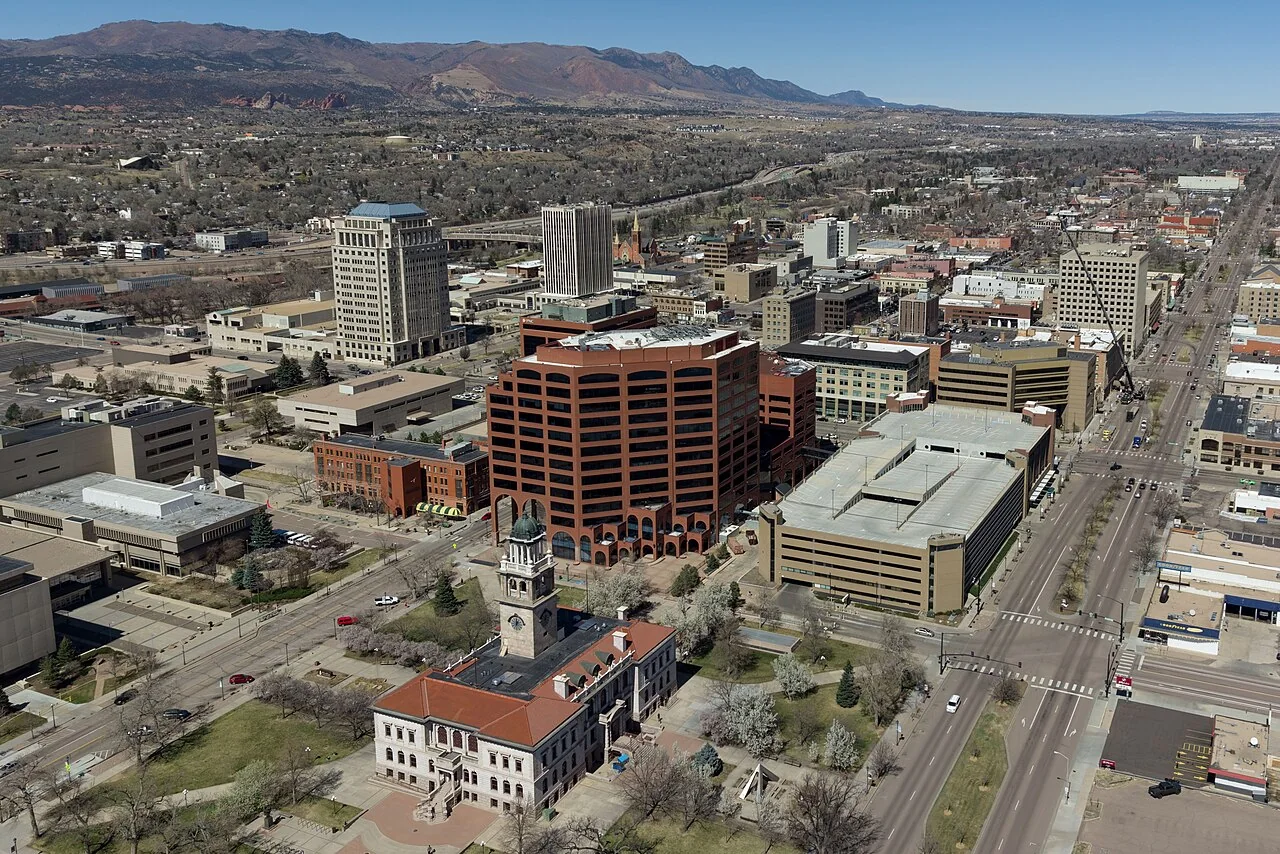
.jpg)
Colorado homeowners can face different insurance questions on a grassland edge, in a foothill subdivision or on a mountain property. Colorado State Forest Service guidance considers the building and the vegetation around it, including grasslands and shrublands as well as forests. A forest view alone cannot explain a home's insurance situation. Start with the specific property and the insurer's written concerns.
Colorado coverage paths, including the FAIR Plan
The Colorado FAIR Plan is operating for eligible properties that cannot obtain standard-market insurance. Applications go through a registered licensed agent and require evidence of standard-market declinations. Availability does not mean every property qualifies, and a basic FAIR policy should not be assumed to reproduce an existing homeowners package.
Ask an agent to compare available private-market policies with the complete FAIR arrangement. If separate or companion coverage is proposed, have the agent explain what each contract covers, where exclusions overlap and which insurer handles each type of loss. Compare the combined premium, deductibles and fees. Keeping declination records helps preserve the evidence needed for a FAIR application while other options are explored.
Five Colorado areas to explore
These guides provide landscape context for a property discussion. They do not rank cities or determine eligibility for a policy.
| City / area | Why wildfire / brushfire exposure varies | State FAIR Plan? |
|---|---|---|
| Colorado Springs | Foothills, oak brush, pine and grassland. Conditions vary by property, vegetation, slope and nearby structures. | Yes. Operating Colorado FAIR Plan; eligibility and application requirements apply. |
| Boulder | Foothill canyons, ponderosa forest and wind-exposed grassland. Conditions vary by property, vegetation, slope and nearby structures. | Yes. Operating Colorado FAIR Plan; eligibility and application requirements apply. |
| Fort Collins | Foothill grass, ponderosa forest and Poudre Canyon terrain. Conditions vary by property, vegetation, slope and nearby structures. | Yes. Operating Colorado FAIR Plan; eligibility and application requirements apply. |
| Denver Foothills and West Metro | Hogback grassland, foothill brush and mountain forest. Conditions vary by property, vegetation, slope and nearby structures. | Yes. Operating Colorado FAIR Plan; eligibility and application requirements apply. |
| Durango | Animas Valley foothills, oak brush and mixed-conifer forest. Conditions vary by property, vegetation, slope and nearby structures. | Yes. Operating Colorado FAIR Plan; eligibility and application requirements apply. |
Compare the protection behind the quote
Request a rebuilding estimate based on the home's construction and features, then compare it with the dwelling limit. Purchase price and land value answer different questions from the cost to reconstruct a damaged house. Ask how the policy values the roof and other property, what depreciation may apply and what conditions must be satisfied to receive replacement-cost payments.
- Ask whether wildfire and smoke damage are covered under the offered form and which exclusions or special deductibles apply.
- Review personal property, detached structures, liability and additional living expense or loss-of-use protection individually.
- Discuss rebuilding-code costs, debris removal and coverage limits without assuming every item is included.
- Identify what separate policies or endorsements would be needed and ask the lender to review the proposed evidence of insurance.
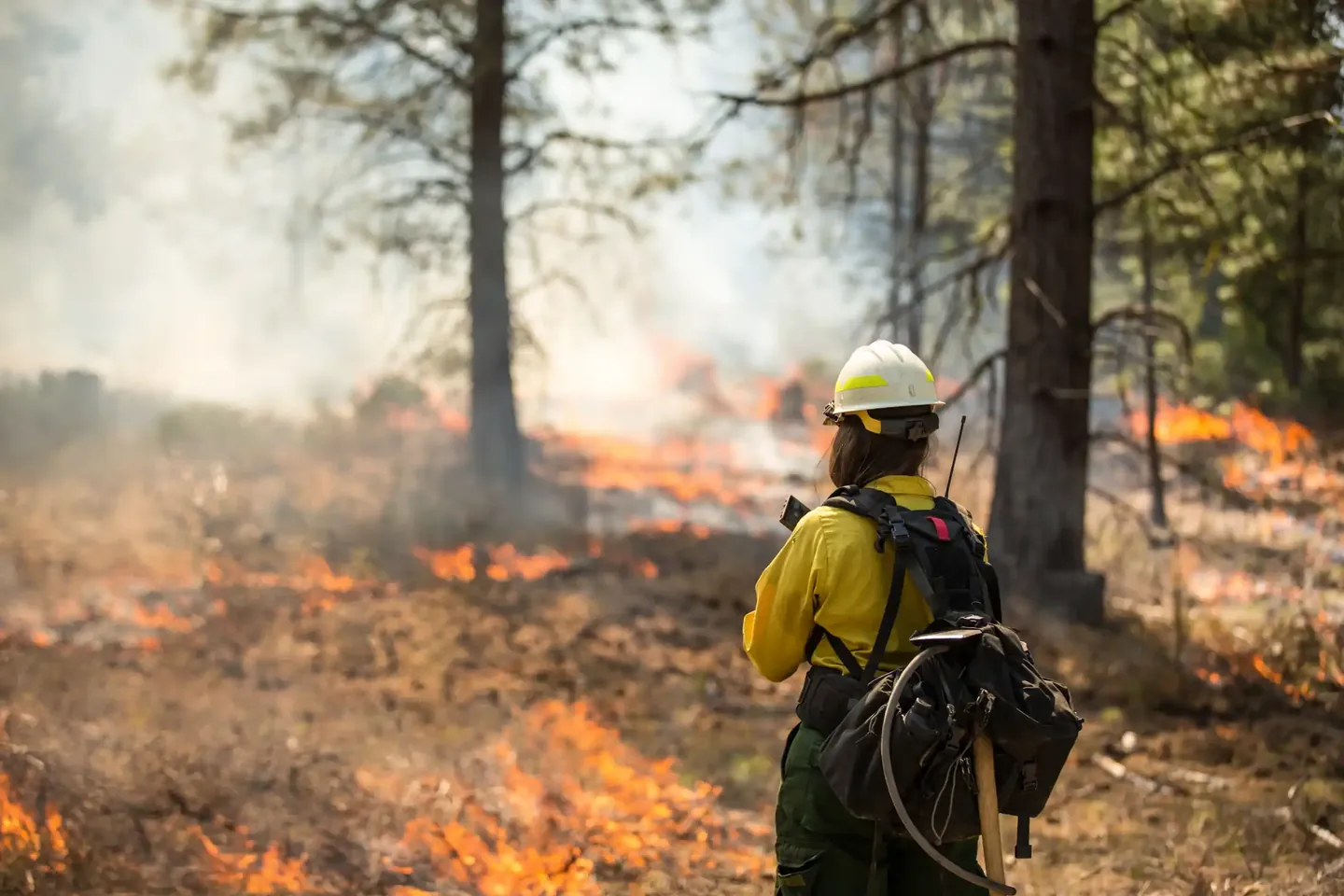
A practical response to nonrenewal
Put the notice, current declarations and expiration date in one place. Ask the insurer or agent to clarify the stated reason and whether corrected property information or evidence of completed work can be considered. Begin the replacement search while that discussion is underway. A review request by itself does not establish that the existing policy will continue.
Prepare claim dates, repair documentation, current roof information and dated exterior photographs. Explain seasonal occupancy, rental use and detached buildings accurately. Ask each agent what is still needed, whether an application is complete and when a written coverage decision can be expected. Confirm replacement coverage and its effective date before allowing a planned transition to leave a gap. For questions about an insurer's handling of a notice, contact the Colorado Division of Insurance.
Use Colorado mitigation resources carefully
The Colorado State Forest Service provides home-hardening and defensible-space guidance. Its Granby field office also links planning resources for Eagle, Grand and Summit counties, illustrating why local priorities matter alongside statewide advice. Ask your local fire or forestry professional which work is suitable for your property and how surrounding terrain affects the assessment.
Keep before-and-after photographs, invoices and assessment notes for work on vegetation, vents, roofs or other building features. Ask the insurer which records it accepts and whether any improvement is required for a particular offer. A mitigation assessment supports practical preparation; it is not insurance approval, a renewal promise or a guaranteed discount.
If you are feeling stuck, start with the notice and a short property summary. The nonrenewal guide and coverage-options guide can help you prepare a focused conversation with a licensed specialist.
Describe Colorado's setting before comparing prices
Colorado's wildfire discussion includes foothill neighborhoods, mountain communities, and grassland settings. A proposal for a home at the edge of open space should be reviewed using that property's construction and surroundings, not a general assumption about the nearest city. The Colorado State Forest Service's guidance considers the building and nearby vegetation together.
In a foothill setting, photographs that show both the house and the slope can explain conditions that a close-up roof image misses. On an open parcel, show the relationship between maintained ground, grass, fences, and detached buildings. These are useful questions for an assessment, not a method for assigning your own insurance risk score.
Make a multi-policy comparison understandable
Because the Colorado FAIR Plan describes limited coverage, ask an agent to explain the full proposed arrangement. Put each needed protection on a separate line: the dwelling, contents, other structures, liability, and living expenses after a covered loss. Identify which contract supplies it and what exclusions or limits still need clarification.
If complementary insurance is proposed, compare the policy dates and insured descriptions. Ask how the contracts interact and how a loss should be reported. A phrase such as complete protection should lead to a review of the actual documents rather than replace it.
Keep mitigation records alongside the insurance comparison. A local assessment can help identify useful work, while the insurer decides which evidence it will consider. Request written clarification of requested corrections and whether a local report satisfies the insurer's own requirements.
Colorado homeowners who use a property seasonally or rent it to visitors should describe that use accurately at application and renewal. Occupancy information belongs in the insurance conversation even when wildfire exposure is the initial reason for shopping. Review access arrangements, maintenance responsibility, and who receives notices so an unanswered letter does not complicate an already difficult renewal.
The goal is a documented decision: what you are buying, what remains outside the arrangement, and which tasks must be completed before the proposed effective date.
Common questions
Is the Colorado FAIR Plan available now?
Yes. The operating Colorado FAIR Plan provides a route for eligible properties unable to obtain standard-market coverage. A registered licensed agent must handle the application, and evidence of standard-market declinations is required.
Does a Colorado FAIR policy replace every part of a homeowners policy?
Do not assume it does. Review the program’s limited coverage and compare liability, personal property, loss of use, valuation and exclusions with the agent. Any additional coverage should be evaluated as part of the complete arrangement.
Do Colorado grassland homes need a wildfire discussion?
Yes. Colorado State Forest Service wildfire guidance includes grasslands and shrublands alongside forests. The property’s building features, surroundings and insurer review matter more than a simple wooded-or-not label.
Will a Colorado mitigation project reverse a nonrenewal?
That depends on the insurer’s decision and the property. Ask which documentation can be reviewed, keep the replacement search moving and obtain written confirmation of any change in the coverage decision.
Sources and further reading
- Colorado FAIR Plan eligibility
- Colorado FAIR Plan coverage resources
- Colorado wildfire mitigation
- Granby field office
- Colorado insurance consumer resources
Program rules and insurance terms can change. Check the linked agency or program before relying on eligibility, coverage, or local requirements.
General educational information. This website does not issue policies, bind coverage, or provide emergency alerts. Coverage and eligibility require individual review.