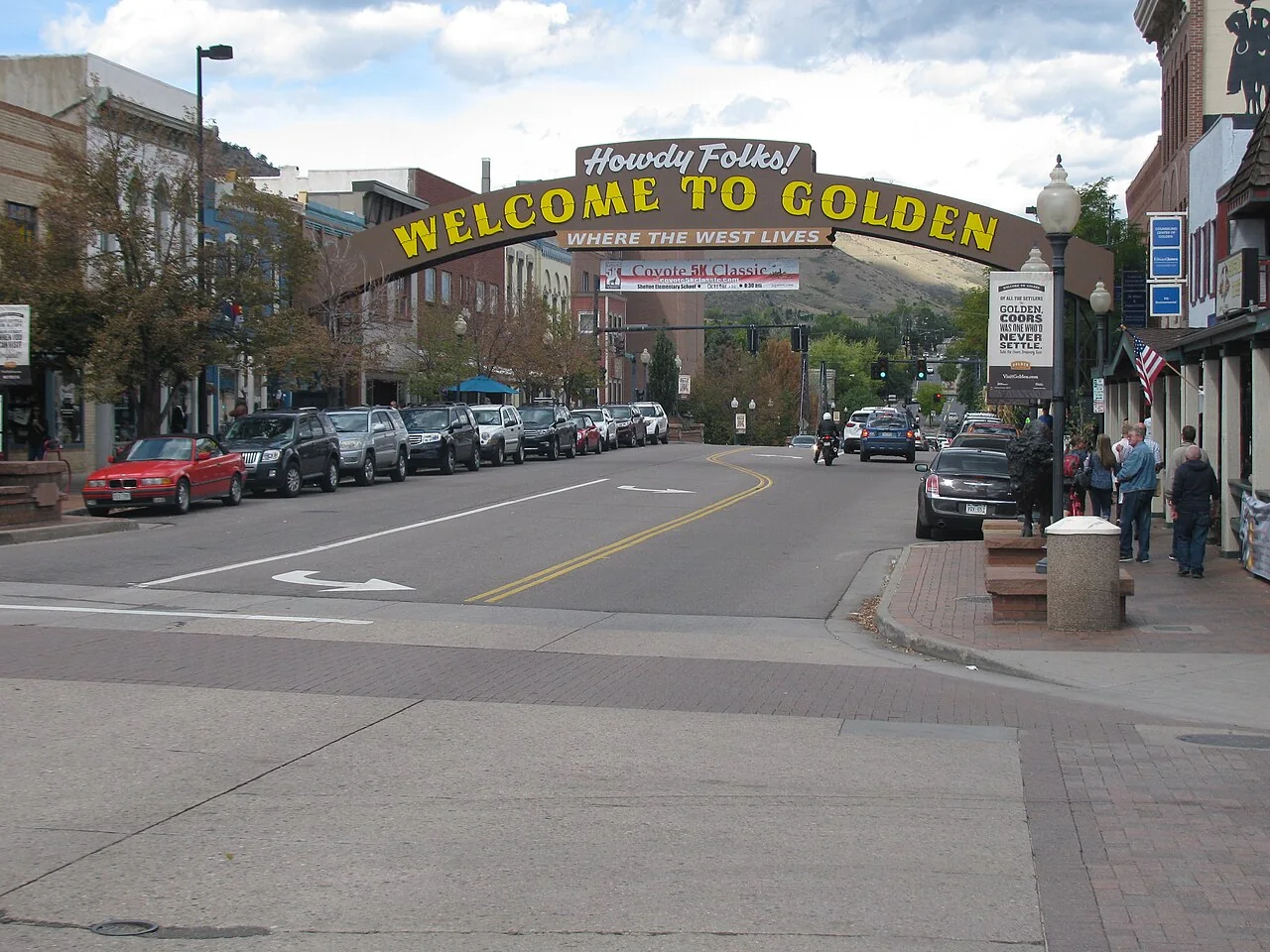

“Denver foothills” describes a region, not a single city or fire protection district. A home on the developed western edge of the metropolitan area can differ substantially from one farther into mountain terrain. Grass-covered slopes, brush, forest and tightly spaced buildings create different property questions. The insurance submission needs to explain where your house fits, rather than relying on a broad regional label.
West Metro is also the name of a fire protection district. It should not be used as a substitute for every western metro community or foothill department. Confirm the parcel's municipality, county and fire district before requesting an inspection or describing its protection services. This small administrative step can prevent a larger misunderstanding when a policy application is reviewed.
Use Jefferson County resources without assuming countywide rules apply
Jefferson County publishes a Community Wildfire Protection Plan and information on defensible space and structure hardening. The county's Together Jeffco project also connected wildfire planning with transportation, emergency management and other planning work. Those resources are useful for understanding the regional approach and finding the appropriate department for a property-specific question.
Building requirements depend on jurisdiction, location, project and applicable rules. Ask the authority responsible for your address whether proposed siding, roof, deck or other work triggers particular requirements. A county webpage is not proof that the same provision applies inside every municipality. Obtain written guidance before committing to a contractor's scope if the work is part of an insurance response.
Likewise, a community planning map should not be described as your insurer's risk score. Ask the insurer or agent to identify the information behind its concern and the method for correcting factual errors. Use public resources to understand the setting, then supply current evidence about the individual building.
Three property situations deserve different questions
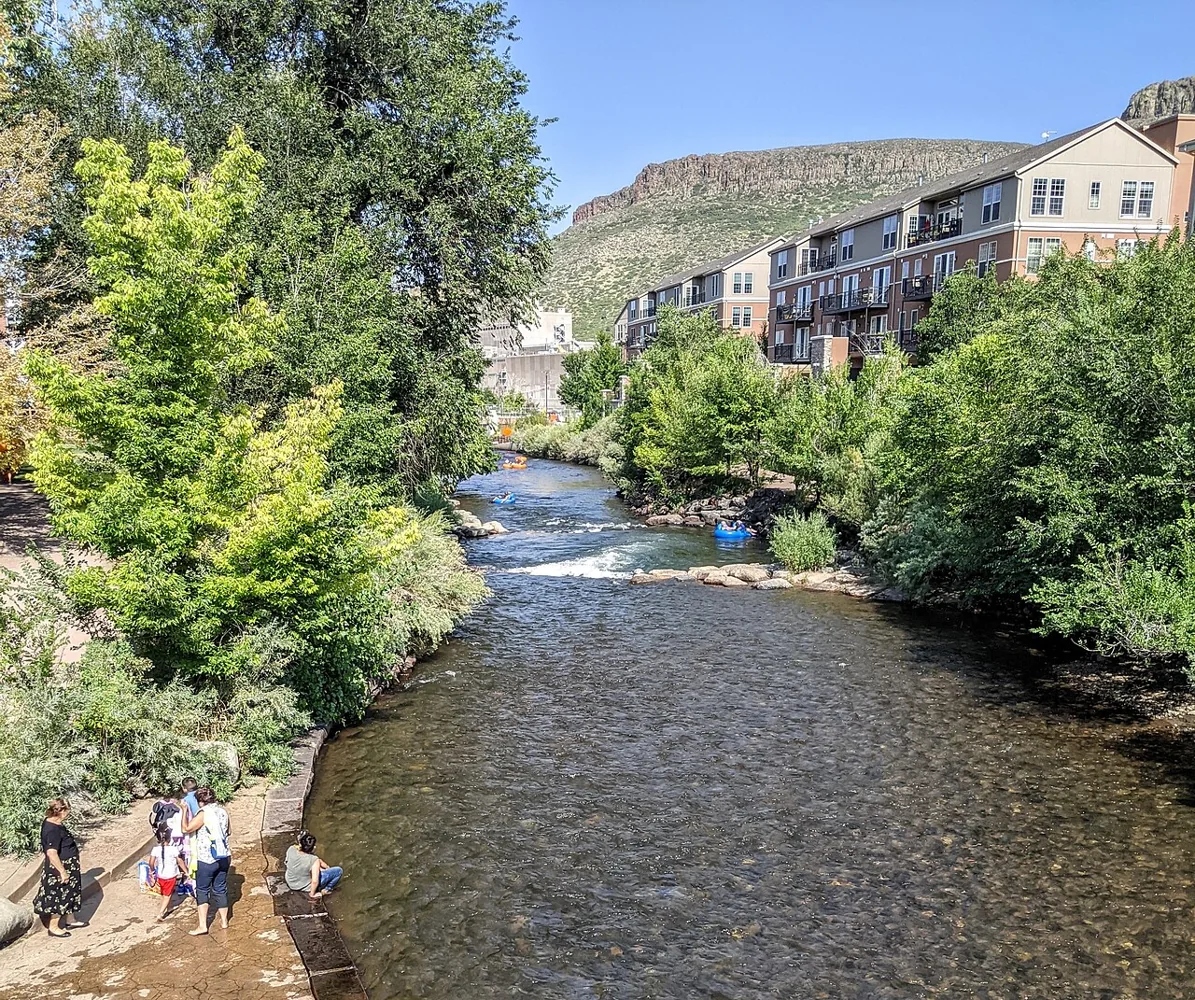
On a developed lot near a hogback or open-space slope, look outward from the house as well as toward it. Show the rear boundary, adjoining vegetation and fence connections. Determine whether vegetation belongs to the homeowner, an association or a public owner. The useful question is how the building meets its surroundings, not whether the view appears green or brown in one season.
For a farther-west property in wooded terrain, document the driveway, slope and spaces around detached buildings. Identify any private road, bridge or gate and explain who maintains it. If an insurer asks about water supply or access capacity, obtain information from the responsible authority. Do not estimate those details from a map or a neighbor's recollection.
For attached housing or a home with association-maintained land, collect the governing documents. Determine who owns the roof, siding, fences and common landscaping. The resident purchasing an individual policy may not have authority to change those features. A coordinated association assessment can be more practical than separate homeowners making conflicting promises about the same shared property.
Turn code and mitigation questions into a manageable scope
Before requesting bids, list the insurer's specific concerns beside the local assessor's recommendations. Identify where they overlap and where they address different issues. One recommendation might improve general wildfire resilience without resolving the particular condition in a carrier notice. Ask the agent to clarify that distinction before spending on a large project.
For each proposed improvement, record the location, materials, responsible contractor and expected completion date. Keep product documentation for vents, roofing or other specified components. After work is finished, photograph it from a viewpoint that shows its relationship to the house. A close-up is useful, but it should be accompanied by enough context for someone unfamiliar with the property.
Jefferson County's published guidance addresses both defensible space and the building itself. Ask a qualified local professional to apply those ideas to the parcel. Clearing vegetation alone does not describe the roof or exterior, and a newer roof does not explain what is stored beneath a deck. The assessment should bring the parts together.

Price the building you would need to reconstruct
A foothill house may have features that are easy to overlook in a quick quote: multiple levels, a complex roof, substantial decks, detached structures or difficult construction access. Describe those features and review the dwelling estimate with the agent. Ask what is included in the estimate and what falls under another coverage category.
Do not substitute the property's sale price, mortgage balance or tax assessment for a reconstruction discussion. Review loss settlement terms, additional living expense, debris removal and ordinance or law coverage. If updated building requirements could affect reconstruction, ask how the proposed policy addresses additional costs rather than assuming everything is included automatically.
For a condominium or townhome, compare the master policy with the individual unit policy. Ask about improvements, personal property, loss assessment and association deductibles. If you rent out any portion of the home or use a workshop commercially, disclose it. Those facts can change the coverage conversation independently of wildfire exposure.
Respond to a notice with evidence and a timeline
Read the entire letter and record its effective date. Separate wildfire concerns from roof condition, prior losses or other inspection issues. Provide the specialist agent with your current declarations, the notice, a claim-and-repair summary and the property record. A coherent file makes it easier to evaluate possible options while keeping the deadline visible.
Ask whether the current company will consider updated information, but also establish a replacement-coverage plan. A review request does not necessarily postpone termination. Before ending an existing policy, obtain confirmation of the new coverage and effective date through the licensed professional. Our nonrenewal guide explains how to organize the search.
Plan for access interruptions before an emergency
Discuss household communications and assistance needs with the relevant emergency-management authority's guidance in hand. A route used for commuting is not a guaranteed evacuation route. Traffic control, fire location and closures can change during an incident. Follow current instructions rather than a static internet article or an old neighborhood map.
Maintain an offsite inventory and accessible copies of insurance documents. Where roads, gates or landscaping are shared, establish who will keep routine maintenance records. The home-hardening guide can help you prepare questions, but the final work plan should fit the jurisdiction and property. Across the Denver foothills, accurate local details are the strongest foundation for a useful insurance conversation.
Explore the Colorado guides
Read the Colorado wildfire insurance overview for state resources and questions about available insurance paths.
Common questions
Is every Denver foothills property in West Metro Fire Protection District?
No. Denver foothills is a broad regional description, while fire districts have defined service areas. Verify your parcel with the appropriate local authority. Do not infer department responsibility from a mailing city or a real estate marketing description.
Do Jefferson County requirements apply inside every western metro city?
Requirements can differ by municipality, county jurisdiction, mapped area and type of construction. Contact the building or fire authority responsible for the address before assuming a county provision applies. Keep written answers with the proposed scope of work.
What should an HOA provide for an insurance review?
Useful records include maintenance responsibilities, the master policy, relevant deductibles and completed mitigation documents. Identify who can authorize exterior or landscaping changes. Owners should describe their own responsibilities accurately instead of promising work on association property.
Will updating the exterior guarantee a better policy?
No. Improvements may support a property review, but companies also consider their own eligibility and coverage requirements. Ask what evidence matters before starting work and compare the actual terms of any offered policy, including limits, deductibles and exclusions.
Sources and further reading
- Jefferson County: Defensible Space and Structure Hardening
- Jefferson County: Together Jeffco planning updates
- Jefferson County: 2024 Community Wildfire Protection Plan
Program rules and insurance terms can change. Check the linked agency or program before relying on eligibility, coverage, or local requirements.
General educational information. This website does not issue policies, bind coverage, or provide emergency alerts. Coverage and eligibility require individual review.