.jpg)
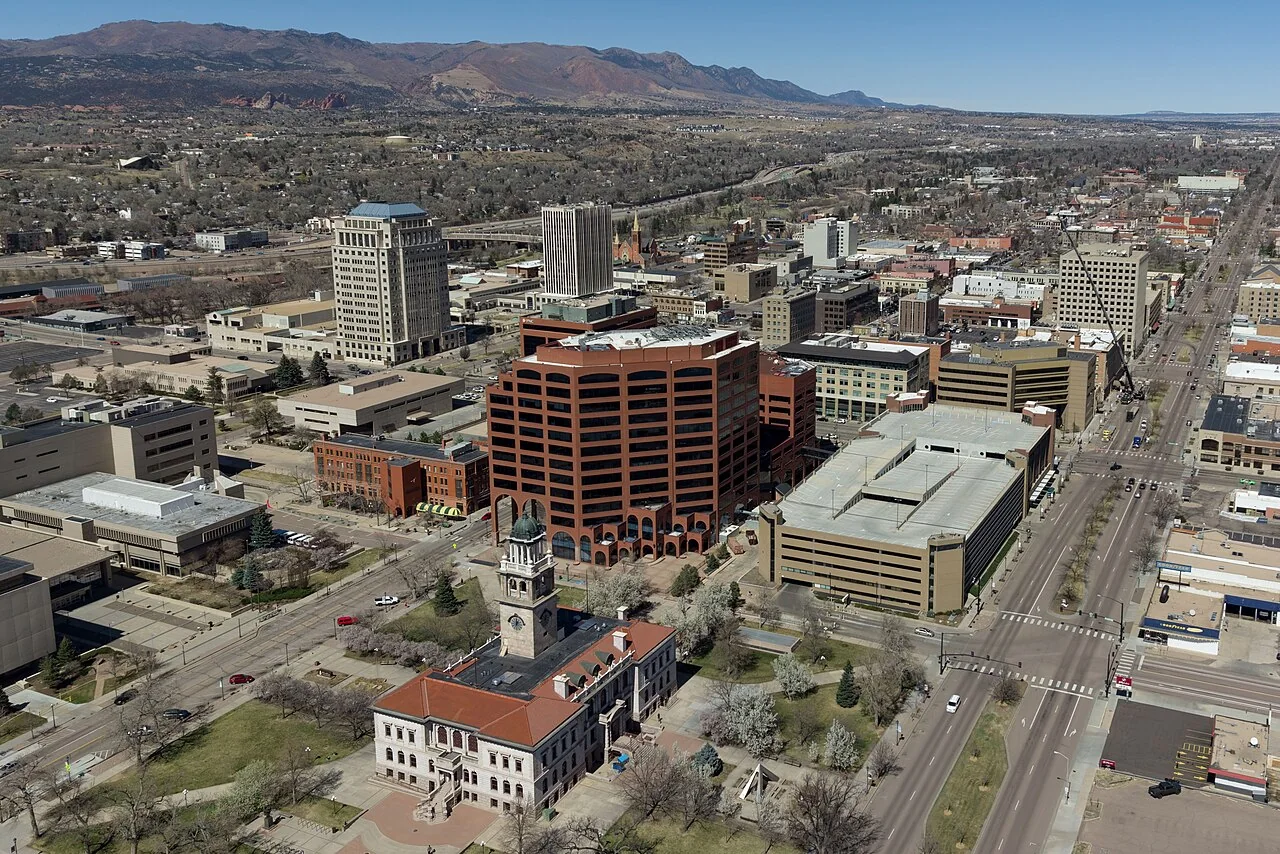
Colorado Springs does not have one uniform wildfire landscape. The foothills above the west side, developed neighborhoods near open space and grassland farther east present different questions. A house facing a wooded slope cannot be understood from the same photographs as a home beside a broad grassy tract. If an insurer has questioned your address, the most useful response is a clear, current picture of your property.
That process can feel more manageable when divided into local assessment, documentation and policy review. WildfireInsurance.ai helps homeowners prepare for conversations with specialist agents. An agent still needs to evaluate the property, available companies and proposed coverage; a neighborhood name never guarantees either acceptance or rejection.
Start with the Colorado Springs boundary and the parcel
First establish whether the house is within Colorado Springs or an adjoining jurisdiction. A Colorado Springs mailing address does not by itself identify the fire department, water provider or building authority. Those details matter when obtaining a consultation, explaining protection services or planning improvements. Ask the responsible department to confirm them instead of calculating them from an online real estate listing.
For a foothill property near the city's western open spaces, show the transition from maintained yard to brush or trees. For a lot nearer grassland, show the rear boundary, fence and adjoining undeveloped ground. These are documentation priorities, not a claim that every house in either setting has the same risk. Include neighboring structures when visible from your property because the house and its immediate surroundings belong in the same conversation.
Use the local consultation before committing to major work
The city's Wildfire Readiness resource directs homeowners to the Colorado Springs Fire Department's Wildfire Mitigation Section for an onsite consultation. The department also describes neighborhood chipping and educational services. Ask which services currently cover your address and what preparation is required before material can be collected. Do not assume that an advertised program includes every neighborhood or every type of debris.
Walk the property with specific questions. Is vegetation beneath a deck more urgent than a tree farther away? Does the fence create a continuous combustible connection to the house? Are roof intersections trapping needles or leaves? Ask the assessor to separate immediate maintenance from projects requiring a contractor. That distinction helps you sequence spending and explain the schedule accurately to an agent.
Keep the assessment with dated completion photographs. If work remains outstanding, label it that way. A future estimate should never appear in an insurance application as a finished improvement. If the insurer requests a particular vent product, clearance or repair, obtain the requirement in writing and confirm whether the proposed work addresses it.
Translate a foothill lot into useful evidence
Begin your photo set at the street, then move toward the home. Show the address marker, driveway entrance, any gate and the approach to the garage. On a sloping lot, include views from below and above the house where you can do so safely. A photograph looking outward from a deck often reveals conditions that a front elevation misses.
For the building itself, record roof material and installation date, siding, windows, vents and attached decks. Include receipts or product records where available. A roof that looks new in a photograph may still need documentation of its material or age. A stone accent wall does not describe the rest of the exterior, so give the agent a complete account rather than a flattering selection.
In neighborhoods bordering parks or shared land, mark the property line on a simple sketch. Identify vegetation you control and vegetation maintained by a homeowners association or public agency. Ask the relevant owner about concerns beyond your boundary. Clearing public land without permission is not a mitigation plan, and a homeowner should not promise an insurer that someone else's work will occur.

Check the coverage questions behind the wildfire concern
Bring the full renewal or nonrenewal notice, not just the premium page. Ask whether the issue is wildfire exposure, roof condition, prior claims, an inspection finding or several factors together. Resolving the wrong issue can consume valuable time. Record the effective date and request a timeline for submitting additional documentation or reviewing replacement options.
Compare dwelling limits using reconstruction needs rather than the home's sale price. Discuss demolition, debris removal, code upgrades and additional living expense provisions. A hillside property with retaining features or unusual construction deserves a careful conversation about what belongs in the dwelling estimate and what may be treated separately. Ask the agent to identify relevant limits and exclusions in the proposed contract.
If the home includes a detached garage, workshop, rental space or other structure, describe its actual use. Mention business activities and occupancy arrangements instead of assuming they fit a standard homeowners form. Our insurance options guide provides questions for comparing possible paths, while the nonrenewal guide helps organize a time-sensitive search.
Keep evacuation readiness separate from insurance paperwork
Colorado Springs directs residents to Peak Alerts and the Pikes Peak Regional Office of Emergency Management for preparedness information. Register the places important to your household and review official instructions before an emergency. Make arrangements for children, pets and anyone needing assistance. An insurance quote cannot replace that preparation.
For a westside household, consider how everyone will communicate if normal travel is disrupted. Review the agency's current evacuation information rather than treating a familiar road as an assured exit. Keep copies of policy records and an inventory accessible away from home. Photograph rooms and valuable belongings when conditions are safe, so preparing a claim does not depend entirely on memory.
Set a maintenance rhythm that matches your surroundings
The best documentation becomes outdated if needles accumulate again or new storage appears against the siding. After landscaping, roof work or changes in household use, refresh the relevant photographs. Keep a short log of what changed, when it changed and who performed the work. This creates a useful record for the next renewal without requiring a large report every month.
Coordinate with neighbors when vegetation, fences or shared access cross boundaries. Use the Colorado State Forest Service's mitigation resources as background, then apply the local assessor's recommendations to your particular site. A practical plan can preserve the character of a foothill home while addressing its vulnerable details. It supports an informed review, although no improvement guarantees a policy or premium reduction.
Explore the Colorado guides
Read the Colorado wildfire insurance overview for state resources and questions about available insurance paths.
Common questions
Can Colorado Springs Fire Department help me identify mitigation priorities?
The city advertises onsite wildfire consultations through its Wildfire Mitigation Section. Confirm that your property falls within its service area and ask about current scheduling. Use the resulting recommendations to prioritize work, then ask your insurer separately which documents it will consider.
Does living east of the foothills eliminate wildfire concerns?
No. Open grassland, dry vegetation and nearby structures can still matter. Your submission should describe the actual surroundings and construction. Avoid assuming that a broad city location is a property assessment or that fewer trees automatically settles the insurance question.
Should I send pictures of shared open space?
Include relevant views taken safely from your property or a public location, with a clear explanation of ownership. Distinguish completed work on your lot from work proposed by an association or agency. Do not represent shared land as something you personally maintain.
Will a local consultation guarantee renewal?
No. A consultation can help identify and document improvements, but the insurer makes its own decision. Ask the agent to review the written reason for any adverse action and explain available alternatives before the current policy expires.
Sources and further reading
- City of Colorado Springs: Wildfire Readiness
- Colorado Springs Fire Department: mitigation services
- Colorado State Forest Service: Wildfire Mitigation
Program rules and insurance terms can change. Check the linked agency or program before relying on eligibility, coverage, or local requirements.
General educational information. This website does not issue policies, bind coverage, or provide emergency alerts. Coverage and eligibility require individual review.