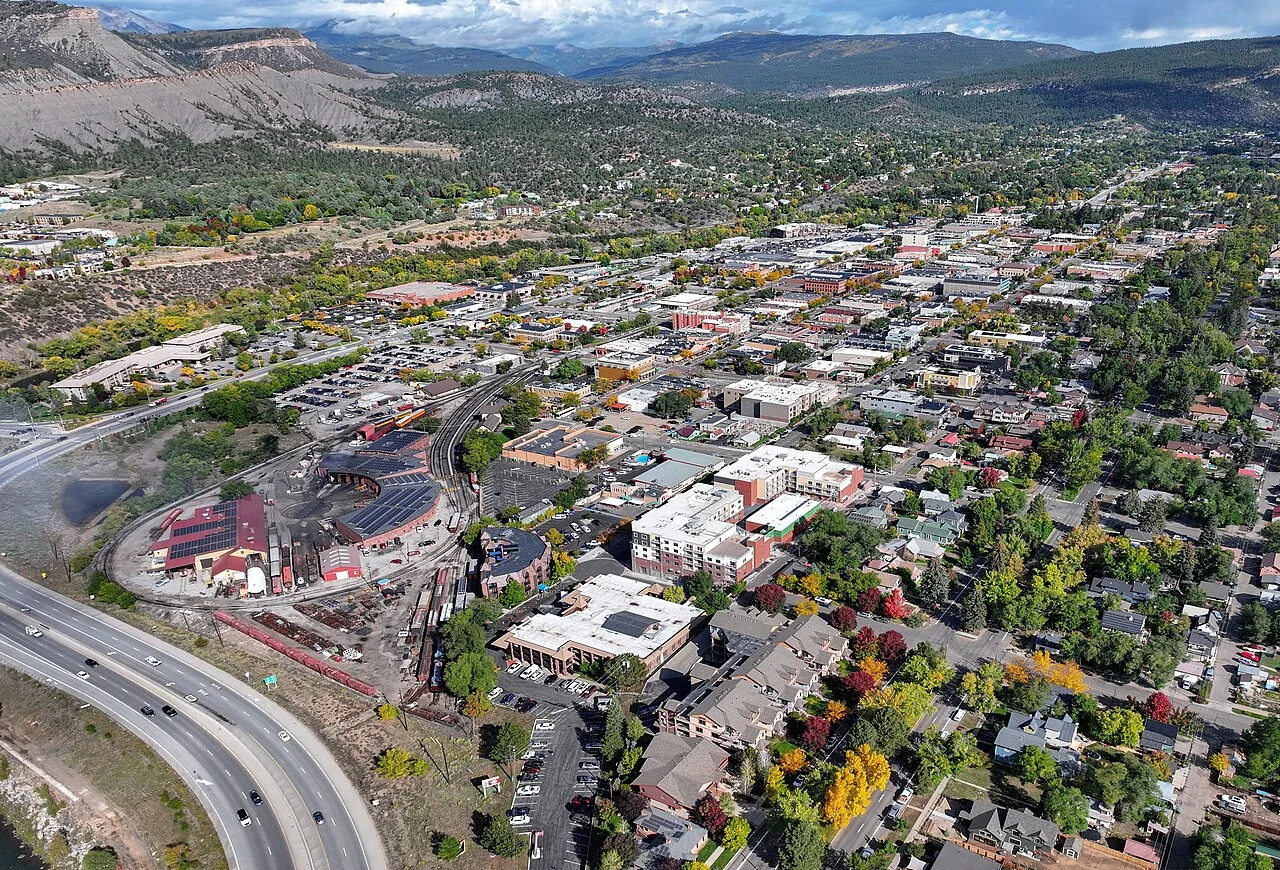

A Durango homeowner may look across a developed river-valley neighborhood, toward brush-covered slopes or into a more wooded setting beyond town. Those views represent different questions for an insurance review. The important task is describing the house's relationship to its immediate surroundings, rather than assigning the entire Durango area one level of risk.
For a property near the Animas Valley, begin with the building, slope, vegetation and access. Add the correct jurisdiction and fire protection information. Then explain occupancy and any detached structures. This combination helps a specialist agent understand the property as a whole, including issues that a satellite image or a basic quote form may leave unclear.
Durango’s mitigation effort extends beyond individual yards
The City of Durango describes collaboration with fire agencies, forestry partners and Wildfire Adapted Partnership. Durango Fire & Rescue also identifies the Wildfire Watershed Protection Fund, supported by the city and La Plata County, as part of local mitigation work. These programs reflect the connection between community preparedness, forest conditions and watershed protection.
For homeowners, the practical starting point is to ask Durango Fire & Rescue or the local program partner what assistance applies to the parcel. Inquire about an assessment, project planning and any available financial assistance, but verify eligibility and timing directly. An advertised partnership does not mean a contractor can begin immediately or that a grant will reimburse work already completed.
Ask what portion of a proposed project addresses your home and what portion addresses broader land-management goals. Both can be valuable, but they are not the same insurance evidence. A neighborhood treatment should not be described as a completed assessment of every house inside it. Keep records specific to your property and accurately identify wider community work.
Read the valley and hillside setting from the house outward
Start with a sketch showing the home, detached buildings, driveway and property lines. On a hillside parcel, mark the direction of the slope and show what lies below the deck or rear elevation. Where brush or trees approach the yard, photograph that transition. A picture taken from the road may conceal the side of the building that most needs review.
On a more developed Durango lot, include fencing, nearby structures and storage areas. Small parcels may leave less room to change landscaping, making the actual building details especially useful to document. Ask the assessor for a realistic sequence that respects boundaries and any applicable restrictions. Do not assume that a large lot is automatically safer or that a small one cannot be improved.
If the home is outside city limits, confirm the responsible fire district and water arrangements. A Durango mailing address alone does not settle those questions. Describe a private road, gate or shared driveway accurately, and obtain requested specifications from the responsible owner or authority. Avoid making unsupported claims about response time or firefighting water capacity.
Make local mitigation advice usable for underwriting
Bring the insurer's letter to the assessment discussion. Ask whether the stated concern relates to vegetation, access, a building component or another condition. The goal is to understand which facts need correction and which improvements may address an identified issue. A generic statement that the home has been mitigated is less useful than a clear account of completed tasks.
For roof or vent work, retain material specifications and invoices. For vegetation work, show the completed area with dated photographs and note any follow-up maintenance. If treatment stops at a property boundary, make that limitation visible. Documentation should explain what changed, not suggest that an entire surrounding landscape is under the homeowner's control.
Consider whether an association or neighboring owner needs to participate. Shared land and roads can make coordination necessary, but responsibility should remain clear. Ask who can approve a project, who will maintain it and how records will be shared. Our defensible-space guide provides background questions for that conversation.

Describe Durango property use before comparing policies
Some local homes are occupied year-round; others have seasonal use, guest accommodations or rental activity. Tell the agent the actual arrangement, including periods when no one is present. A property manager who performs inspections should have a clear maintenance and communication role. Do not assume that a policy written for a primary residence automatically fits another use.
List outbuildings separately. A garage, workshop, barn or studio can differ in construction and use from the main house. Note whether equipment, business property or animals are involved so the agent can ask the right coverage questions. A wildfire discussion should not crowd out those basic facts about the insured property.
If the home has custom finishes or a complex hillside design, review the rebuilding estimate carefully. Ask about demolition, debris removal, code-related costs and additional living expense limits. Separate the cost of reconstructing the building from land value or an asking price. Compare the actual policy terms alongside premiums, particularly when considering a different type of insurance market.
Consider water-related questions separately from fire
Durango's official mitigation partnerships emphasize watershed health as well as fire risk. For an individual property, ask local officials whether drainage, slope or nearby disturbed land creates concerns requiring professional review. Do not infer that every Animas Valley home has the same flood exposure or that a visible stream answers the question.
Discuss flood and other water-related coverage with the agent using the actual policy. A homeowner should understand what the contract covers rather than assuming that every consequence following a fire is included. Keep assessments and recommendations from qualified local professionals with the property file, especially when they identify maintenance or engineering work.
Keep the next step small and specific
If renewal is uncertain, send the agent the written notice and deadline first. Follow with the local assessment, claim history and completed-repair records. Ask what additional information would be most useful and whether any current-company review can occur while alternatives are explored. This prevents the search from stalling while you try to assemble a perfect submission.
For emergency preparation, follow Durango Fire & Rescue and La Plata County's current guidance rather than relying on a road description in this article. Keep an inventory and insurance records accessible away from home. The coverage-options guide can help you prepare for a specialist conversation, with the understanding that eligibility and terms depend on the individual property and insurer.
Explore the Colorado guides
Read the Colorado wildfire insurance overview for state resources and questions about available insurance paths.
Common questions
Who can help a Durango homeowner begin a mitigation plan?
Durango Fire & Rescue and the local partners identified by the city are useful starting points. Ask which assessment or project resources cover your parcel and whether assistance is currently available. Confirm requirements before arranging work that you expect a program to support.
Does a watershed treatment prove that my house is insurable?
No. Community and watershed projects serve broader objectives and do not establish a particular insurer’s decision about your building. Document the work completed at your own property and ask the agent how relevant local project information should be presented.
What if my Durango property is occupied only part of the year?
Describe the occupancy honestly, including rental use and long absences. Explain who checks the home and maintains the grounds. The agent can then evaluate the appropriate coverage rather than relying on assumptions associated with a continuously occupied primary residence.
Should I include a detached workshop in the review?
Yes. Provide photographs, construction details and the actual use of the building. Mention business activity or specialized contents. Ask how the proposed policy treats the structure and property inside it, because those protections may differ from the main dwelling coverage.
Sources and further reading
- Durango Fire & Rescue: Wildfire Risk, Mitigation and Preparedness
- City of Durango: Fire Mitigation
- Durango Fire & Rescue: Wildfire Resources and Information
Program rules and insurance terms can change. Check the linked agency or program before relying on eligibility, coverage, or local requirements.
General educational information. This website does not issue policies, bind coverage, or provide emergency alerts. Coverage and eligibility require individual review.