

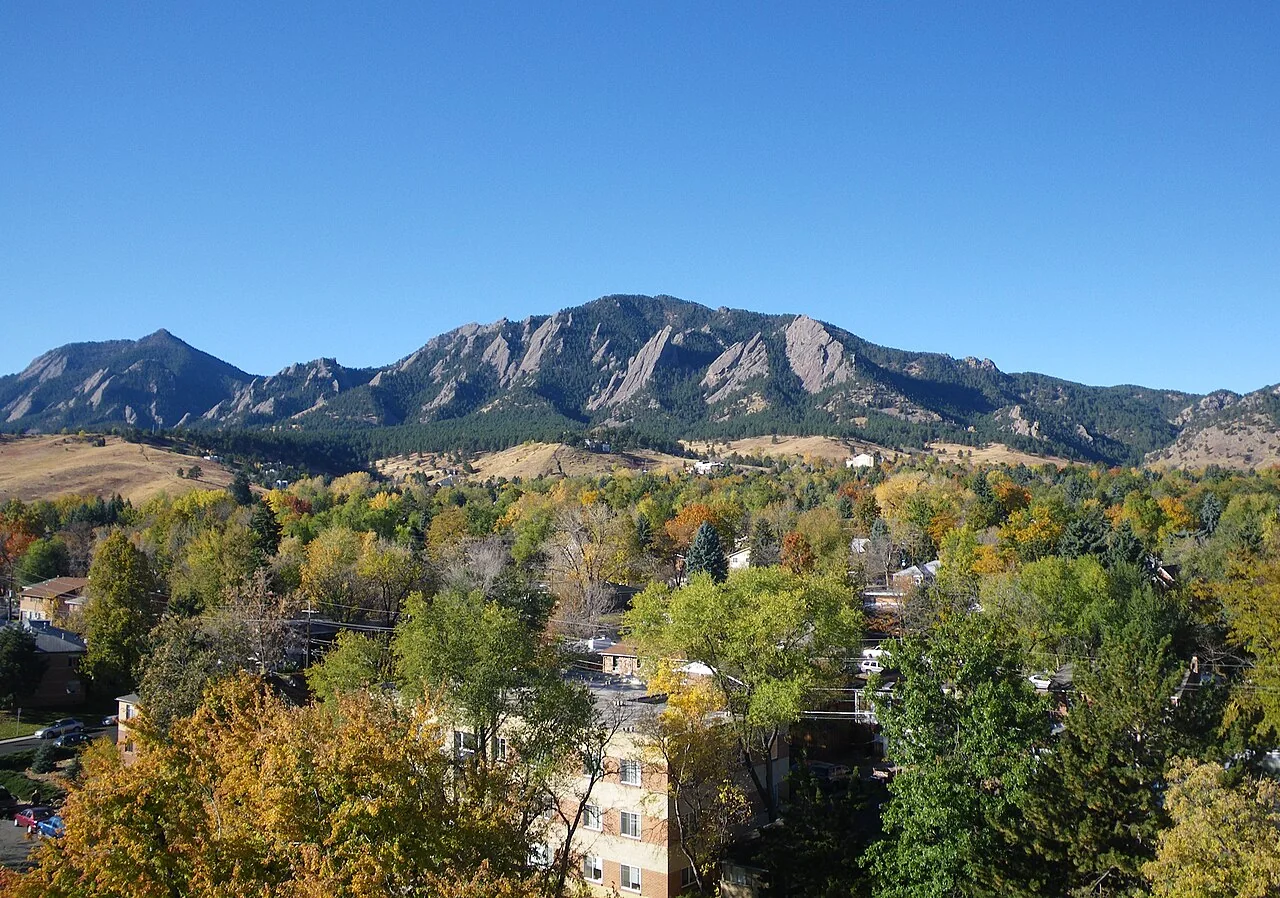
Boulder's wildfire conversation reaches beyond houses surrounded by trees. West of the city, canyon roads climb into foothill terrain. Along other edges of the community, homes meet open grassland and developed neighborhoods. A homeowner looking for coverage needs to explain that setting without assuming a famous landscape or a regional fire history determines the outcome for an individual address.
If your policy has become difficult to renew, start with the information the insurer actually used. Is the concern the property's surroundings, a specific building feature, an inspection issue or a broader underwriting decision? Having that question answered helps you use Boulder's local resources efficiently and gives a specialist agent something more useful than a general description of the city.
Boulder city services and county programs are different
Confirm your municipality and parcel jurisdiction before requesting assistance. The City of Boulder and unincorporated Boulder County are not interchangeable, even when a mailing address says Boulder. County programs also distinguish between western and eastern areas. Ask for the program that applies to your home, rather than assuming a neighbor's experience establishes eligibility.
Boulder County's Wildfire Partners provides individual home assessments, and its published information describes different pathways for western properties and eligible eastern county locations. The county also lists community mitigation programs. Check the current assessment requirements, service area and application process directly. Funding and participation rules can change, so build your schedule around a confirmed appointment rather than an anticipated grant.
For homes within the City of Boulder, Boulder Fire-Rescue separately advertises Detailed Home Assessments. Ask the city which process applies to the address and whether assistance with recommended work is available. Keep city and county application information distinct so a homeowner does not miss the appropriate local contact while pursuing a program intended for another jurisdiction.
An assessment is useful because it turns a broad concern into a work list. Ask how the roof, vents, decks and near-home landscaping interact with the surrounding terrain. If certification is available through the applicable program, find out what completion and maintenance involve. Then ask your agent how a particular insurer treats that evidence. Community participation and underwriting approval are separate decisions.
Explain which Boulder landscape surrounds your home
For homes connected to Sunshine Canyon, Fourmile Canyon or Flagstaff-area roads, describe the actual approach and the relationship of the house to the slope. Road names are location references, not evacuation recommendations. A sketch showing the driveway, house, surrounding vegetation and property boundaries can communicate more than a distant aerial photograph.
At a grassland edge, point the camera toward the open ground as well as toward the house. Include fence connections, stored materials and the transition between maintained landscaping and unmanaged vegetation. Avoid treating a treeless view as proof that no mitigation is necessary. Ask a qualified assessor which building vulnerabilities deserve attention in that setting.
Within developed neighborhoods, document the space between structures and any shared fencing or landscaping. Townhomes and condominiums introduce an additional issue: the person shopping for insurance may not control the roof or exterior. Establish what the association maintains, what the master policy covers and what the individual owner must insure. Those responsibilities should be clear before anyone promises exterior changes.
Build a record that shows progress, not just intentions
Create a dated sequence of photographs from consistent viewpoints. If you replaced combustible material beside the foundation, show the completed area and its connection to doors, siding and decks. If a contractor worked on vents or roof edges, retain the product description and invoice. Good records make it easier to distinguish completed improvements from recommendations still awaiting work.
Use separate folders for the local assessment, contractor documents and insurance correspondence. Include a one-page summary listing each requested item, its status and the supporting photograph. When a task depends on association approval or a neighboring owner, say so plainly. Accurate limits on what you control are more valuable than a sweeping claim that the property has been fully mitigated.
Keep claims history equally clear. Give dates, causes, repair details and the present condition of the affected area. A past water or roof claim may remain relevant even if the current discussion began with wildfire. An agent needs the complete picture to approach appropriate companies and avoid having important information emerge late in the process.

Compare protection for a Boulder rebuilding scenario
Ask how the dwelling estimate accounts for your home's actual construction. Custom finishes, older features, unusual rooflines or steep-site work should be described rather than hidden inside a generic square-foot estimate. Market value and reconstruction cost answer different questions. Review the assumptions with the agent and correct obvious omissions before comparing premiums.
Examine additional living expense coverage, debris removal and ordinance or law provisions. Ask what triggers payment, which limits apply and whether time restrictions matter. For a condominium, bring the association's insurance documents and deductible information. For a house with a studio or rented portion, explain that use so the proposed policy is evaluated on accurate facts.
A new policy can differ from the old one even when both are called homeowners insurance. Ask about exclusions, settlement terms, deductibles and any inspection conditions after binding. If the search includes a different insurance market, have the licensed professional explain how that option works and what protections or limitations apply. Our coverage-options guide can help structure that comparison.
Make neighborhood coordination practical
A canyon road, shared fence or common landscape area may involve several owners. Bring specific observations to the association or responsible public agency, accompanied by photographs and dates. Ask who can authorize work and how maintenance will be tracked. Do not remove vegetation outside your property without permission, and do not confuse a community project with a guarantee about your house.
Store an inventory and policy copies somewhere accessible if you cannot return home. Follow official emergency-management instructions during an incident; neither this article nor an insurance map provides live evacuation guidance. For routine work, our home-hardening guide explains the building details worth discussing with a qualified professional.
Keep the renewal conversation moving
If a deadline is approaching, give the specialist agent the notice immediately while you gather the remaining records. Identify which improvements are finished and which need more time. Ask what can be reviewed now and what additional evidence could help. A carefully documented Boulder property can receive a more accurate evaluation, even though no assessment, map or certificate guarantees an offer.
Explore the Colorado guides
Read the Colorado wildfire insurance overview for state resources and questions about available insurance paths.
Common questions
Does Wildfire Partners cover every property with a Boulder mailing address?
Eligibility depends on the property and the specific program. Boulder County publishes separate information for western and eastern county assessments. Confirm your municipality, parcel location and current program requirements before assuming that a service or incentive applies.
Why photograph a grassland boundary when my yard has few trees?
The surrounding landscape still belongs in an accurate property description. Show where maintained landscaping ends, how fencing meets the house and what materials are stored nearby. Ask an assessor to explain the relevant vulnerabilities instead of assigning your own risk score.
What if my association controls the roof and exterior?
Request the association documents and identify who may approve improvements. Give your agent the master policy information and explain the features you control personally. Do not describe planned association work as completed or assume your individual policy duplicates the association coverage.
Can mitigation evidence help after a nonrenewal notice?
It may support a review, depending on the stated reason and the insurer. Submit accurate, dated records through your agent while also exploring replacement coverage. A completed assessment does not automatically reverse a decision or extend the existing policy.
Sources and further reading
- City of Boulder: Wildfire Detailed Home Assessments
- Boulder County: Wildfire Mitigation Programs
- Wildfire Partners: Individual Home Assessments
- Colorado State Forest Service: Wildfire Mitigation
Program rules and insurance terms can change. Check the linked agency or program before relying on eligibility, coverage, or local requirements.
General educational information. This website does not issue policies, bind coverage, or provide emergency alerts. Coverage and eligibility require individual review.