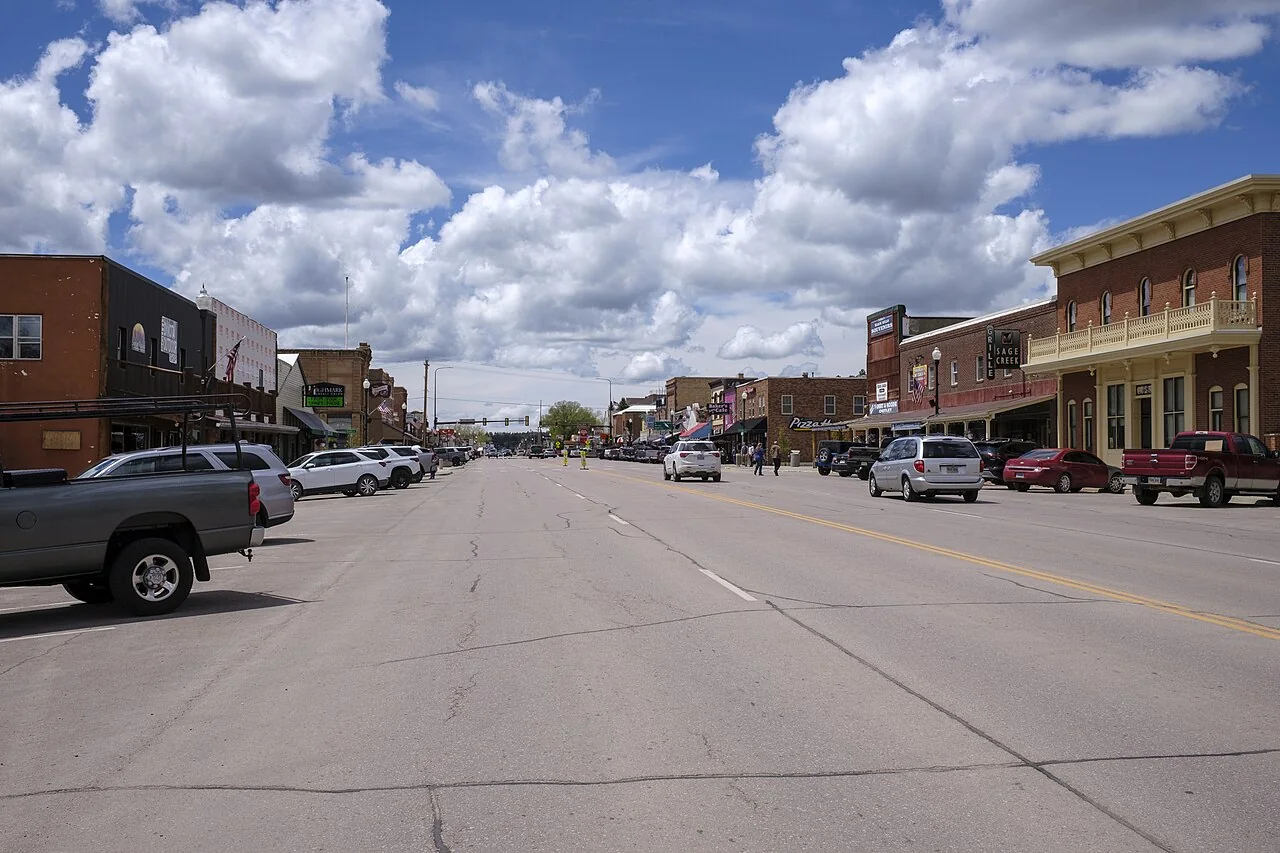

Living in Custer can mean a residence in town, a house at a wooded edge or a cabin reached from a rural road. All are part of the broader Black Hills setting, but they should not receive an identical property description. If insurance becomes difficult, focus on the structure and the land immediately around it.
A declining insurer or a renewal concern is a reason to assemble clear information and review alternatives with a licensed specialist. It is not proof that every Custer property has the same problem. Current photographs, construction records and accurate occupancy details provide a better starting point than broad labels about forest living.
Pine forest and meadow need to be described together
U.S. Forest Service research on Black Hills fire ecology identifies ponderosa pine as a dominant component of the region and discusses its relationship with grassland communities. For a homeowner, that means the view should include both trees and the ground between them, rather than only the most scenic hillside.
Record where grass reaches an outbuilding, where pine needles collect beside the house and where shrubs sit beneath trees. Include decks and stairs that extend over sloping ground. These observations help describe the property; they are not a substitute for a professional assessment or an insurer's own review criteria.
A maintained lot beside a larger wooded parcel also raises an ownership question. Before thinning or clearing beyond a boundary, identify the landowner and the relevant authority. Public forest, parkland, neighboring property and your own yard have different management responsibilities. An insurance application should distinguish improvements you completed from work planned by someone else.
The Legion Lake Fire is a reminder to date the history
A South Dakota government account of the Legion Lake Fire, published in December 2017, documents the regional event and response involving Custer State Park and the surrounding landscape. The timing is an important local lesson: wildfire history here cannot be reduced to a summer-only story.
That event does not establish that a particular Custer house burned, nor does it describe current road or fire conditions. If it affected your property, provide the actual loss and repair records. If it did not, do not merge regional history into your personal claim history. A dated reference adds context only when its limits remain clear.
Know the local fire contacts before describing protection
The Custer Volunteer Fire Department provides a direct local contact, while Custer County Emergency Services handles broader emergency planning functions. State wildland-fire district information adds another layer for relevant state and private lands. Confirm which agencies and rules apply to your address rather than assuming one organization controls every nearby area.
For a rural home, ask about visible addressing, gate arrangements and the driveway's suitability for emergency vehicles. Explain any shared lane or limited turning area. Do not enter an estimated hydrant distance or assumed response time on a quotation request. Ask the agent how the required protection details should be verified.
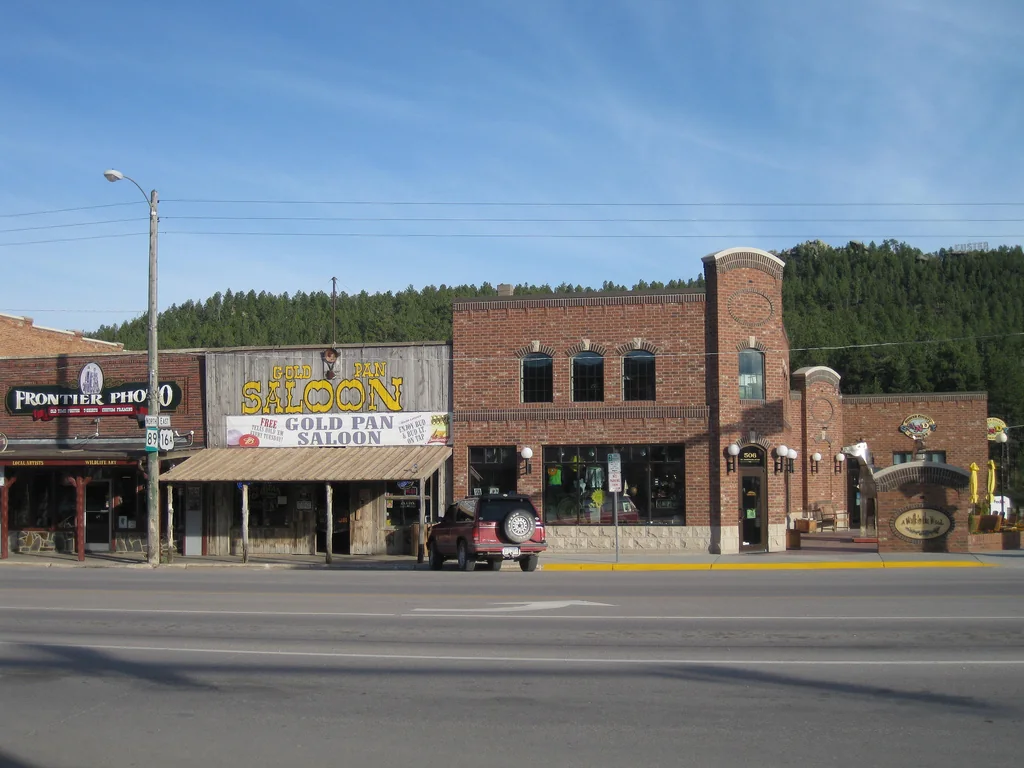

A seasonal cabin requires a different explanation from a full-time home
If you are away for part of the year, describe the occupancy pattern honestly. Explain who checks the property, whether it is rented and whether it includes separate guest accommodations. A Custer cabin used only by family, a permanent residence and a paid rental can need different coverage discussions despite having similar exteriors.
Ask how the policy would address the building, furnishings, other structures and the liability associated with its use. If the property changes from personal use to rental use, notify the agent before assuming the existing arrangement fits. A wildfire-related review should also correct any outdated description of how the home is occupied.
Seasonal absence creates a maintenance question as well. Plan who will inspect accumulated needles, leaves and storage around the dwelling between visits. Do not rely on a photograph taken at the beginning of the season to describe conditions months later. A dated maintenance log can make the record more useful.
Document improvements that a reviewer can actually identify
Start with the building year, roof installation date, exterior materials and major updates. Keep invoices or product information for changes to vents, roofing and attached structures. Photographs should include the rear and sides of the home, not only the driveway-facing elevation. Take them from safe ground rather than climbing onto a roof for a better angle.
For tree work or vegetation management, record the completed scope and the date. If a qualified professional provides an assessment, retain it with the improvement record. Avoid saying that a property is fully mitigated unless that description has a clear, supported meaning. It is more precise to identify which work was performed and what remains.
Our defensible-space guide helps frame the vegetation discussion, and the home-hardening guide addresses the building. The two subjects complement each other. Neither an attractive cleared yard nor a newer roof should prevent a closer look at the other features.
Compare the policy with the cost of rebuilding this Custer property
Discuss the dwelling estimate using the actual construction, finishes, access and attached features. A cabin with custom woodwork or a house with substantial decking deserves an accurate description. Ask how detached garages, sheds and guest structures are valued and which uses are permitted under the contract being offered.
The South Dakota Division of Insurance explains homeowners coverage categories, including living expenses associated with a covered loss. Use that consumer guidance to prepare questions, then review the offered policy's limits and conditions. Ask about fire deductibles, smoke damage, debris removal and personal-property settlement terms.
If ordinary placement is unsuccessful, ask a licensed insurance professional to explain the alternatives that may fit your address. Review exclusions and fees as carefully as the premium. Do not import another state's insurance program into the conversation or assume that a public wildfire plan guarantees a market. The appropriate path depends on the actual property and the options available.
Prepare for an incident before the renewal becomes urgent
Follow current county, fire-department and land-manager information for restrictions and emergency instructions. A scenic road, trail or park entrance is not automatically a usable evacuation route. Household members and guests should know the street address and how to receive official information, especially if the home is known informally by a cabin name.
Keep essential documents, medication and pet needs in the departure plan. If you are away, establish who will communicate with occupants and local authorities. Do not enter an affected area to check the property against instructions. Early planning gives you more room to manage the insurance file without confusing administrative tasks with immediate safety decisions.
Explore the South Dakota guides
Read the South Dakota wildfire insurance overview for state resources and questions about available insurance paths.
Common questions
Does a pine-covered Custer lot automatically fail an insurance review?
No automatic outcome can be inferred from that description. Provide current building details, surrounding vegetation and completed work. Ask a licensed agent what the particular insurer needs, rather than relying on a general reputation for Black Hills properties.
Why mention a December 2017 fire in a current guide?
It is a dated regional example showing that local wildfire history is not confined to summer. It is not a current warning, a description of your claim record or evidence that any specific Custer address was damaged.
What changes when my Custer cabin is rented to guests?
Disclose the rental use and schedule before assuming the existing policy remains appropriate. Ask about the building, furnishings and liability. Also prepare address and emergency information for occupants who may be unfamiliar with the surrounding roads.
Can work on adjoining public forest count as my completed mitigation?
Describe it separately and only when the project is documented. You control your own maintenance and approved work on your land. Public treatment does not establish the condition of your roof, deck, fencing or immediate surroundings.
Sources and further reading
- USFS: Fire regimes of Black Hills ponderosa pine
- South Dakota government: Legion Lake Fire, December 2017
- Custer Volunteer Fire Department
- Custer County Emergency Services
- South Dakota Wildland Fire: Custer District
- South Dakota Division of Insurance: Coverage forms
Program rules and insurance terms can change. Check the linked agency or program before relying on eligibility, coverage, or local requirements.
General educational information. This website does not issue policies, bind coverage, or provide emergency alerts. Coverage and eligibility require individual review.