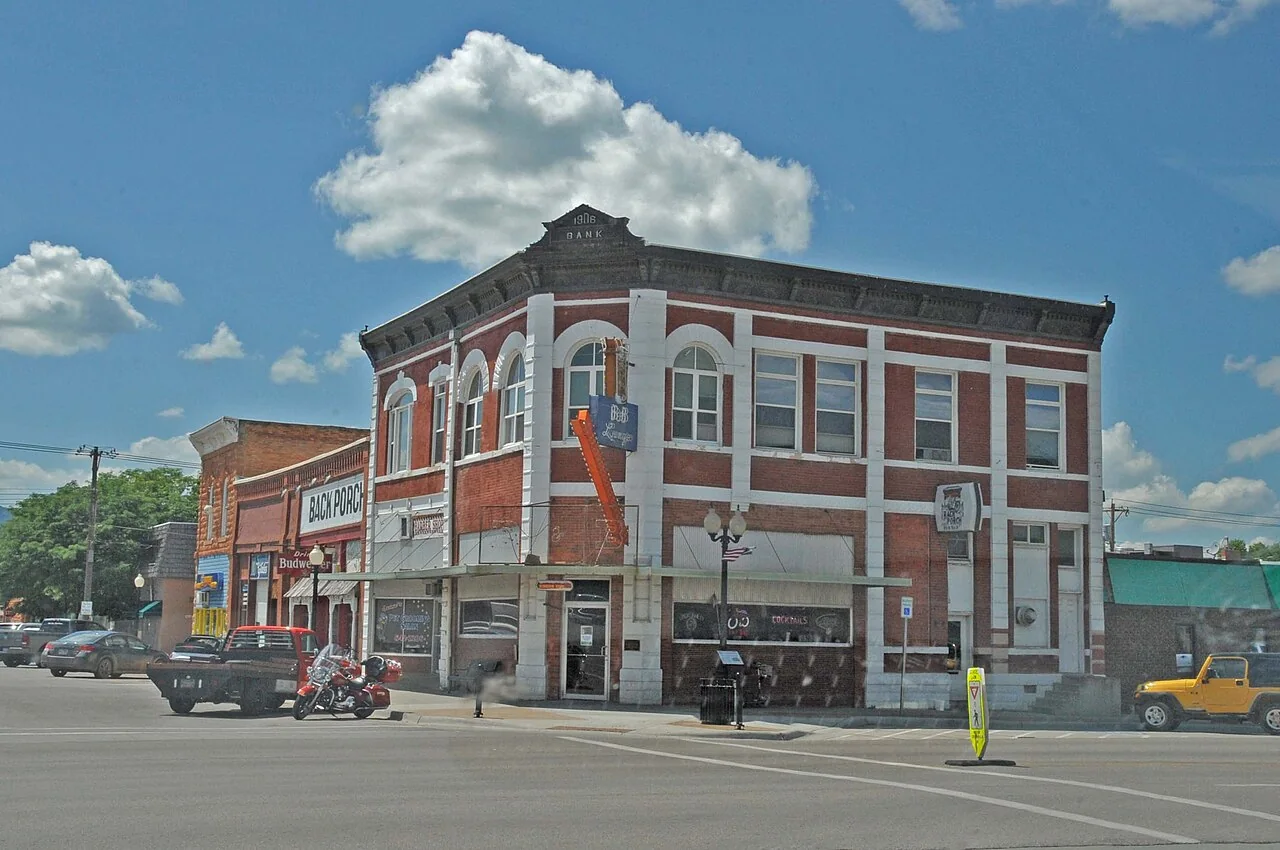

A Spearfish home can look toward Crow Peak, sit near Lookout Mountain or lie along an approach toward Spearfish Canyon without sharing the same surroundings as another residence across town. A useful wildfire-insurance review identifies the actual boundary between the building, maintained yard and neighboring land. The view is context; the parcel and structure are the subject.
If an insurer declines or will not renew, begin with its written explanation and the date that matters. Then assemble a current account of the house, its use and completed improvements. A licensed specialist may be able to explore alternatives. Neither proximity to a landmark nor a general statement about Black Hills risk settles the outcome for every property.
Lookout Mountain is part of the city's landscape
Spearfish's Parks Department identifies Lookout Mountain Park among the properties it oversees and publishes a trail map. For residents near that open space, the practical question is where public ownership meets the residential parcel. A recreation map can help orient a conversation, but it does not define an insurer's requirements or certify emergency access.
Ask city staff about maintenance concerns on municipal land and an assessor about the ground you own. Photograph the home-to-boundary relationship from safe locations. Do not extend a yard project into parkland without permission. If the house sits below or above a slope, show that relationship rather than submitting only a flat street-level view of the front door.
Crow Peak and canyon imagery need accurate labels
The Forest Service's Crow Peak material places the landmark southwest of Spearfish. Its Black Hills fire-history map also records a Crow Peak fire in 2016. These sources provide geographic and historical context without saying that every home with that mountain in view has the same exposure. A landscape photograph should be labeled for what it actually depicts.
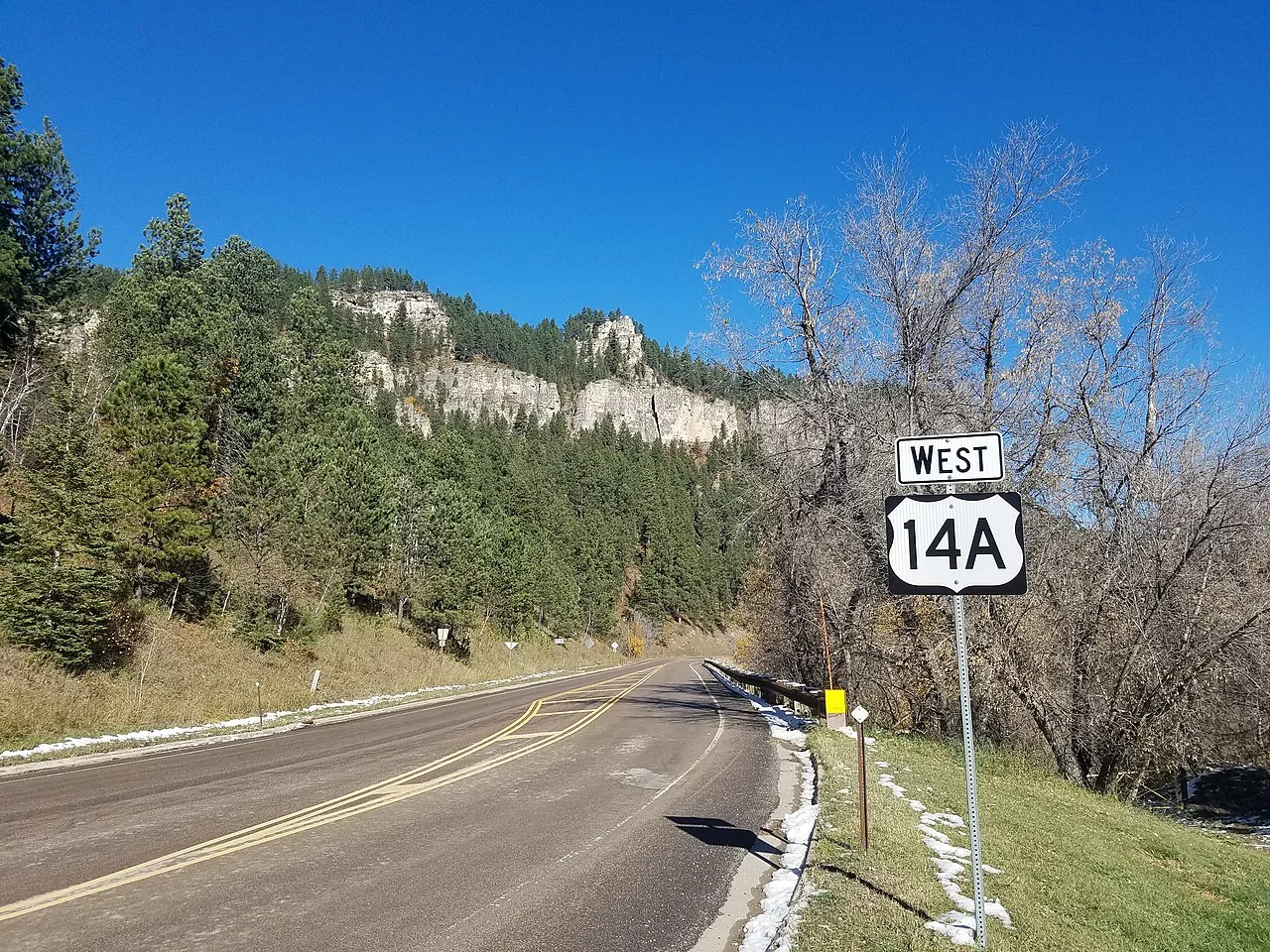
Spearfish Canyon is a different setting again. Forest Service planning describes diverse vegetation, including ponderosa pine, spruce, aspen, birch and oak. A residence on a canyon approach needs an actual site description; a waterfall or shaded creek photograph cannot establish the condition of surrounding slopes, roof edges or access. Avoid allowing scenic imagery to stand in for a building assessment.
Check planning status before relying on a broad rule
Spearfish's Adventure Ahead comprehensive-plan resources discuss growth and the community's relationship with its surrounding landscape. Supporting planning material identifies wildfire-interface concerns at the city's edges. Those documents are useful for understanding the local discussion, but a planning objective should not be presented as an adopted requirement for every existing home.
If you are building, adding a deck or buying in a new subdivision, ask the city or appropriate county authority which current rules apply. Ask the agent separately what an insurer requires. Keep written answers with your project records. A builder's permit, an assessor's recommendation and a company's underwriting condition can concern related features while serving different purposes.

City lots and wooded parcels need different priorities
In an established Spearfish neighborhood, inspect garages, fence connections, side yards and debris around porches. Where houses are close together, coordination may matter as much as the width of one owner's yard. Establish who maintains a shared strip or boundary feature before arranging changes. An unresolved ownership question belongs in the project plan rather than being ignored.
On a larger wooded parcel, ask for guidance about tree condition, lower vegetation and access. Avoid treating blanket tree removal as the default solution. Include the downhill side of elevated structures in the assessment, and identify material stored beneath decks. A qualified professional can help prioritize work that fits the site and distinguish it from tasks requiring a specialist contractor.
Use assessment assistance before spending heavily
South Dakota Wildland Fire publishes property-assessment and mitigation-assistance resources. Contact the program to learn what services and eligibility apply now. For Spearfish-area owners, the local fire department is another starting point for finding the correct assessment and emergency-preparedness contacts. Do not base a budget on a funding percentage from an old announcement.
Once priorities are clear, create a simple sequence: permission, contractor scope, disposal and finished documentation. A thinning project is not fully described by a photograph of cut branches if debris still awaits removal. Save dated images after completion and retain the scope of work. Ask the insurer through the agent whether that evidence satisfies any condition it has actually issued.
Explain occupancy along with construction
A Spearfish property used year-round, occupied seasonally or offered to paying guests can raise different insurance questions. State the actual use at the beginning. Describe any accessory dwelling, finished garage space or detached workshop individually. The word “home” does not tell a reviewer whether someone lives there continuously or whether another building produces income.
For an owner who travels, identify who checks the grounds and handles recurring maintenance. For a rental, clarify responsibility for debris removal and exterior access. Ask the agent which arrangement fits the policy being proposed. Accurate occupancy information is part of finding suitable coverage, not an optional detail to address after a quote has already been accepted.
Review rebuilding details and policy conditions
Ask how the replacement-cost description handles the dwelling's materials, additions and decks. Include recent renovations and identify unfinished construction. Request an explanation of protection for other structures, belongings and temporary living costs following a covered loss. A selling price or a scenic location does not by itself supply an appropriate rebuilding estimate.
South Dakota's Division of Insurance offers resources on homeowners policy forms and coverage categories. Use them as background, then ask the licensed professional to explain the particular proposal. Compare deductibles and conditions as well as price. The coverage-options guide helps organize questions but does not replace the contract or determine whether a loss will be covered.
Keep the insurance transition organized
Our nonrenewal guide provides a sequence for those conversations. Before changing existing coverage, confirm what has been placed, its effective date and any remaining inspection requirements. A request for more information is not the same as an offer, and an offer should be understood in writing before you rely on it.
Maintain a Spearfish household plan
The city publishes emergency-alert signup information. Use official local channels for incident instructions and route restrictions. Neither the Lookout Mountain trail map nor this insurance guide designates a safe evacuation path. Prepare communication arrangements, pet needs and access to essential documents before an emergency changes the day's schedule.
Explore the South Dakota guides
Read the South Dakota wildfire insurance overview for state resources and questions about available insurance paths.
Common questions
Does a view of Crow Peak tell an insurer enough about my house?
No. A landmark photograph provides context, but an insurance review needs the dwelling, immediate vegetation, access and property use. Label scenic images accurately and supply separate dated photographs of your residence. Homes with the same distant view can have very different site conditions.
Can I clear city land near Lookout Mountain to create space?
Do not assume permission. Establish the boundary and contact the city about public-land concerns. Work on your own parcel should also follow applicable requirements and qualified guidance. Explain any limits on access or ownership honestly when discussing insurer recommendations.
Should a seasonal Spearfish home use the same description as a full-time residence?
The application should state the actual occupancy schedule and any rental or guest use. Explain who maintains and checks the home while you are away. Ask the licensed professional which coverage arrangement fits those facts rather than assuming all residential uses are interchangeable.
Where do I check whether a wildfire grant is available?
Consult South Dakota Wildland Fire’s current mitigation resources and ask about eligibility and approval before committing funds. Past grant announcements can be outdated. Keep program approval separate from insurance underwriting, because receiving assistance does not guarantee a policy or a premium reduction.
Sources and further reading
- City of Spearfish: parks and Lookout Mountain
- City of Spearfish: Adventure Ahead comprehensive plan
- City of Spearfish: comprehensive-plan supplemental information
- City of Spearfish: Fire Department
- City of Spearfish: emergency alerts
- USDA Forest Service: Crow Peak local geography
- USDA Forest Service: Black Hills fire history including Crow Peak 2016
- USDA Forest Service: Spearfish Canyon vegetation planning context
- South Dakota Wildland Fire: mitigation resources
- South Dakota Division of Insurance: homeowners policy forms
Program rules and insurance terms can change. Check the linked agency or program before relying on eligibility, coverage, or local requirements.
General educational information. This website does not issue policies, bind coverage, or provide emergency alerts. Coverage and eligibility require individual review.