.jpg)
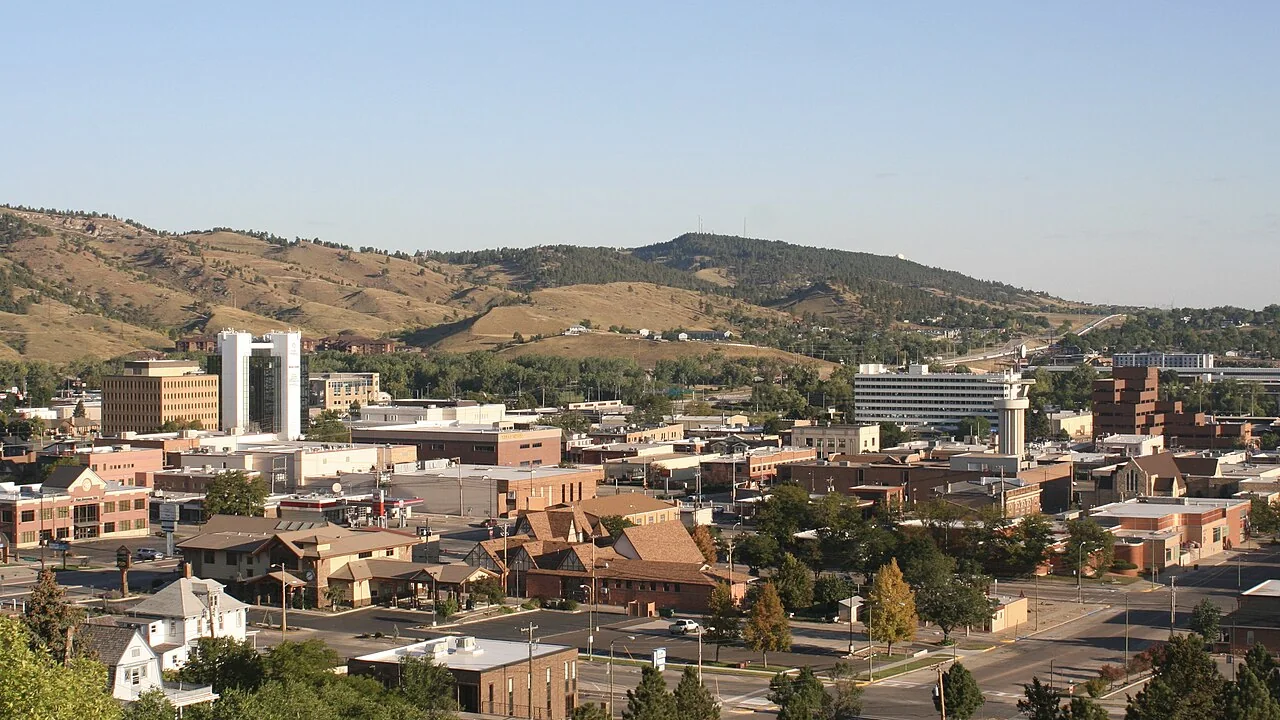
A home in or near the Black Hills needs an individual insurance review. The surrounding landscape matters, but so do the building, seasonal use, maintenance and distance between combustible materials and the house. If a renewal becomes difficult, a complete account of these conditions gives an agent more useful information than a broad description of the area.
Start with the coverage available for your home
Ask a licensed South Dakota agent to compare private-market home insurance and explain any specialty options relevant to your property. The South Dakota Division of Insurance provides homeowner consumer guidance. For current FAIR Plan or other residual-market availability, confirm status directly with the Division and your agent before relying on a fallback.
Identify whether the home is occupied throughout the year, used seasonally, rented or undergoing work. These details can change the appropriate policy and its conditions. A proposal for a different type of property use is not an equivalent replacement simply because the address and premium appear correct.
Five Black Hills area starting points
The table connects regional landscape context with local guides. The location descriptions are not property scores or proof of eligibility. Review the area around the actual home, including nearby structures, vegetation and access, before drawing conclusions from the city name.
| City / area | Why wildfire / brushfire exposure varies | State FAIR Plan? |
|---|---|---|
| Rapid City | Black Hills ponderosa, grass and west-side canyon terrain; review the vegetation, access and construction at the actual property. | Check current status with SD Division of Insurance |
| Spearfish | Ponderosa forest, Crow Peak slopes and Spearfish Canyon; review the vegetation, access and construction at the actual property. | Check current status with SD Division of Insurance |
| Sturgis | Northern Black Hills pine, grass and canyon terrain; review the vegetation, access and construction at the actual property. | Check current status with SD Division of Insurance |
| Custer | Southern Black Hills pine, granite ridges and meadows; review the vegetation, access and construction at the actual property. | Check current status with SD Division of Insurance |
| Hot Springs | Southern Hills prairie, pine and canyon terrain; review the vegetation, access and construction at the actual property. | Check current status with SD Division of Insurance |
Read beyond the premium
Ask the agent to walk through a loss scenario using the proposed contract. A useful comparison should answer these questions in writing where possible:
- Covered causes: Does the policy include fire and wildfire, and what exclusions or special conditions alter that protection?
- Rebuilding: How was the dwelling amount estimated? Does settlement use replacement cost or actual cash value, and what conditions apply to full payment?
- Roof and other structures: Are the roof, detached garage, workshop and other buildings treated differently? Disclose their use.
- Time away: Is additional living expense included, with what limits and triggers? Seasonal occupancy should be explained accurately.
- Personal protection: Check contents, liability and deductibles, and identify any separate policies needed to complete the arrangement.
The right questions help prevent a coverage gap from being hidden inside an apparently affordable quote. Use our coverage-options guide to prepare for that comparison.
If the renewal notice brings unwelcome news
- Keep the original notice and note the exact coverage end date. Ask for clarification of the written reason if it is unclear.
- Ask whether the company will consider updated photographs, corrected property details or evidence of completed work. A review request is not an extension.
- Collect the current declarations, roof and system information, claim dates, repair records and accurate occupancy details.
- Request alternative quotes early enough to review conditions, inspections and any required work. Track who is handling each submission.
- Confirm the replacement policy and effective date in writing before ending existing protection, and check mortgage documentation requirements.
Contact the Division of Insurance if you need help understanding a consumer issue. Avoid relying on a general notice deadline from an old article; the specific notice, policy and current rules require review.
Use Living With Fire as a planning resource
South Dakota's Living With Fire guide brings together landscaping, construction and access considerations. The state's forestry education resources include Firewise home and community preparation. Take those ideas to local fire officials to identify practical work at your property.
Record improvements with dated photographs, receipts and a description of what changed. For a home used only part of the year, plan who will maintain the property between visits. Ask the insurer which documents it will consider. A forestry assessment or completed project is not an insurance approval and does not promise a lower premium.
Distinguish a Black Hills setting from an open prairie parcel
South Dakota's local landscape should be described directly in an insurance conversation. A home near timbered terrain and a property beside open grassland do not present identical maintenance questions. Identify the vegetation around the structure, nearby buildings, and access conditions instead of treating the state or nearest city as a complete risk description.
For a Black Hills property, show how the home sits in relation to trees, slope, decks, and outbuildings. For an open parcel, include the yard boundary, grass, fencing, and stored materials. These photographs support a professional review; they are not a way to calculate an insurance score yourself.
Organize seasonal use and local responsibilities
If the home is used seasonally, explain who maintains it and how notices reach the owner. If it is rented, disclose that activity accurately and ask whether the proposed policy matches it. Wildfire may prompt the search, but use and occupancy should still be part of the application.
Identify the appropriate local fire department, district, or emergency-management office for preparedness questions. Confirm which office can explain assessments or community planning for the address. Do not infer jurisdiction simply from a nearby city's name or a postal address.
Keep inspection requests, photos, and completion records together. If an insurer asks for a correction, request clarification before undertaking work that crosses a boundary or conflicts with another requirement. A local assessment and an insurance inspection can be useful for different reasons without substituting for each other.
When reviewing replacement coverage, compare wildfire wording, valuation, deductibles, living expenses, and the treatment of detached structures. Ask what remains before the insurer can confirm the policy's start. A price indication, application, or scheduled inspection does not alone establish an effective contract.
The state regulator can help with consumer questions, while physical preparedness belongs with the relevant fire and local authorities. Keeping those roles clear helps you move from a broad concern to specific questions that someone can answer for your property.
Common questions
Does a Black Hills address automatically make a home uninsurable?
No city or regional label determines the outcome by itself. A licensed agent can review available markets using the actual building, occupancy, claims history and surroundings. A particular insurer may still decline the property.
Where should I confirm South Dakota FAIR Plan availability?
Ask the South Dakota Division of Insurance and a licensed agent about current residual-market options. Do not base a renewal plan on an old online list or assume that a state preparedness program supplies insurance.
What should a seasonal homeowner disclose?
Explain when the home is occupied, how it is monitored and maintained, and whether anyone rents it. Ask how the policy treats vacancy, seasonal use and any inspection conditions before accepting the offer.
Will a Firewise project guarantee a renewal?
No. Firewise preparation can support a useful mitigation record, but each insurer applies its own review. Ask which evidence is relevant and keep maintaining the property after the initial project is complete.
Sources and further reading
Program rules and insurance terms can change. Check the linked agency or program before relying on eligibility, coverage, or local requirements.
General educational information. This website does not issue policies, bind coverage, or provide emergency alerts. Coverage and eligibility require individual review.