.jpg)
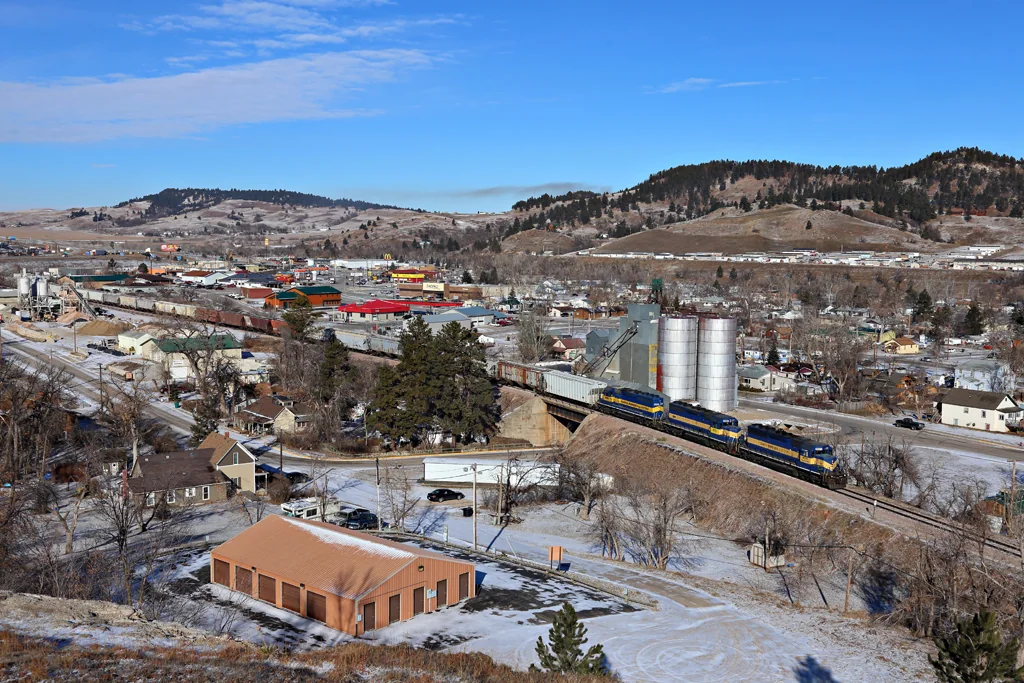
Sturgis combines an established town with nearby forest, open land and a distinctive seasonal visitor pattern. A house used only by its owners, a residence rented during the Rally and a property accommodating guests outdoors are not the same insurance description. Wildfire questions about the landscape should be considered alongside those practical differences in how the premises are used.
Sturgis's fire-service area shows the landscape variety
The city's Fire Department page describes a response area that includes Sturgis, Fort Meade, Bear Butte State Park and the northern edge of the Black Hills National Forest. These are different settings within the surrounding region. A town address should therefore be located precisely before anyone makes statements about access, water supply or the agency serving the property.
For a home toward wooded ground south of town, describe the slope and relationship between trees and buildings. For one toward more open country, document grasses, nearby storage and the maintained area around the dwelling. These are assessment prompts, not a claim that either side of Sturgis is categorically safe or uninsurable. The building's actual condition remains essential.
Fort Meade and Vanocker provide useful local references
The Bureau of Land Management describes the Fort Meade Recreation Area east of Sturgis and its relationship to neighboring public lands. The Forest Service identifies the Vanocker trail area south of town as part of the local trail network. Those references help orient a property discussion, but recreation access should not be confused with residential fire-service access.
If your property adjoins public land, establish the boundary and ask the land manager about maintenance concerns. Do not treat a trail, grazing allotment or scenic road as a guaranteed protective buffer. Likewise, do not identify it as an evacuation route without official direction. An insurer needs factual information about the residence, not conclusions drawn from an appealing landscape map.
Rally-season use is a central insurance question
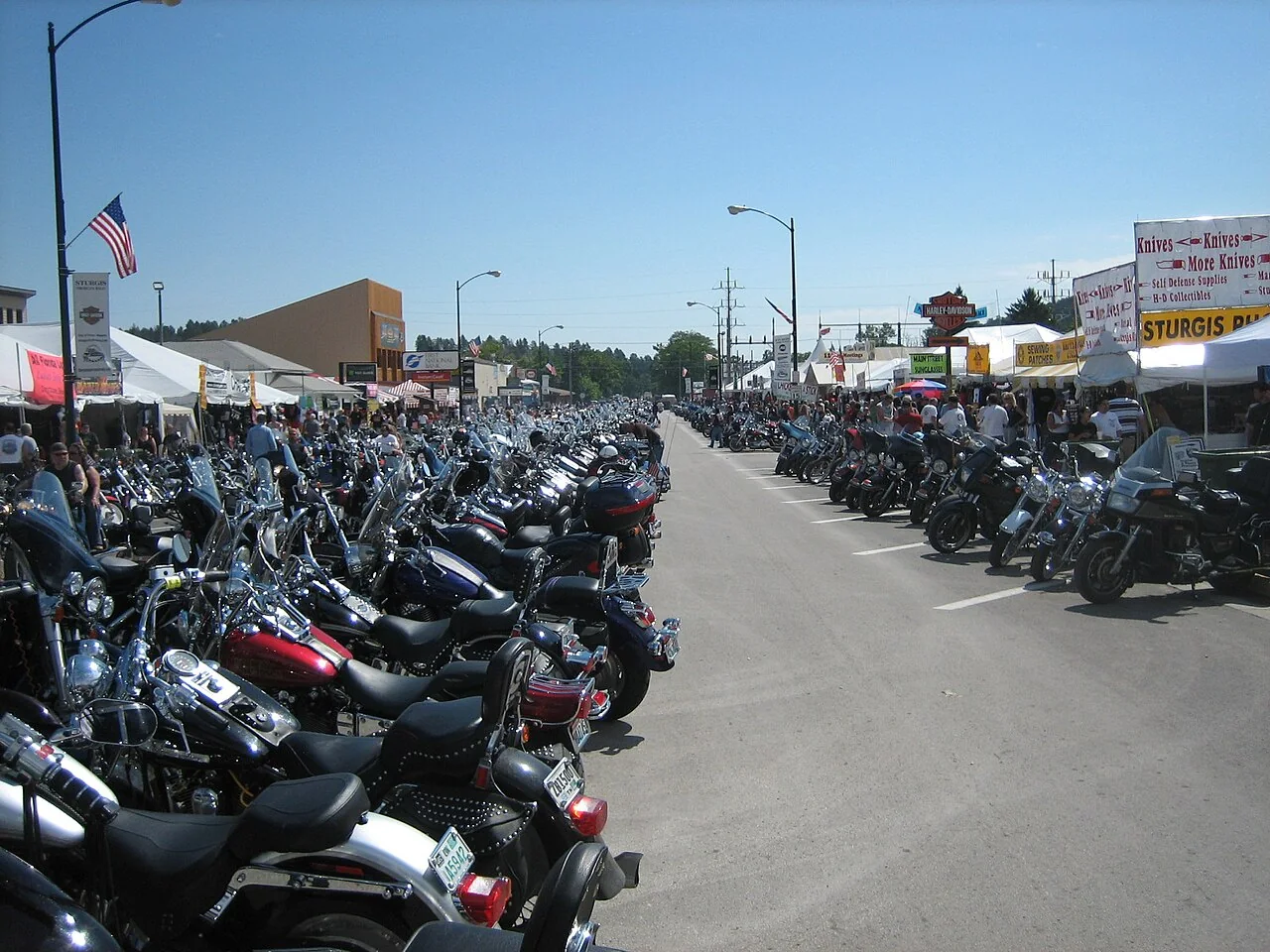
Sturgis publishes information about Rally activities and has discussed residential camping rules through its municipal process. Requirements can change, so check the current rules with the city before offering space. Separately, tell your insurance professional whether you rent the home, rent rooms, permit paid camping or use the property for temporary business activity.
Explain duration, number and type of occupied spaces, whether you remain on site and what equipment or facilities guests use. A short period of changed use can still be relevant to an application. Do not assume a listing platform's protection or an event permit replaces the coverage your own property requires. Ask the agent to identify what the proposed policy does and does not address.

Temporary arrangements can change the exterior review
Before hosting visitors, inspect where vehicles, trailers, outdoor furniture and supplies will be placed. Consider whether the arrangement obstructs the driveway, hides the address or puts combustible materials beside the building. Ask the fire department about safety questions and follow current restrictions. An insurance conversation should describe the planned setup honestly rather than relying on photographs from an empty-yard season.
After guests leave, remove temporary storage and check for deferred maintenance. If the property operates as a rental through other parts of the year, state that broader pattern too. The useful distinction is between actual uses, not between a permanent-looking house and a temporary event. Keep written communications with the agent when the arrangement changes.
Forest-edge maintenance starts with a site assessment
South Dakota Wildland Fire provides mitigation and property-assessment resources. Ask which assistance fits your address and what approvals are needed before arranging a substantial vegetation project. For a wooded lot, a qualified assessor can identify priorities around the structure and explain where slope, tree condition or adjoining ownership complicates the work.
Keep the project tied to the home rather than assuming every tree must be removed. Record finished improvements with dated photographs and a contractor description. If material remains piled awaiting disposal, label the task incomplete. A funding program or assessment can support preparation, but only the insurer can explain whether the resulting work satisfies its requirements or affects a proposed premium.
Open lots still need building-level attention
Where surrounding ground is more open, look closely at the fence line, detached garage, porch and stored materials. A broad grassy view can distract from small ignition pathways beside the house. Ask an assessor about the actual arrangement and any seasonal changes. Do not assume a nearby road or maintained field eliminates the need to examine the residence.
For a property with a shop or storage building, state what is kept there and whether it supports a business. List rental units and other occupied spaces separately. Take wide views that show each structure's relationship to the main home. Clear labels make it easier for the agent to understand the site without guessing which building a photograph depicts.
Compare protection for the property as it is used
Review the dwelling reconstruction description, including additions, porches and distinctive materials. Ask where detached buildings and contents appear in the proposal. If Rally-related income or another business use is involved, request a direct explanation of the relevant insurance arrangement instead of assuming an ordinary owner-occupied form covers the activity.
Also discuss liability, deductibles and additional living expenses following a covered loss. South Dakota's Division of Insurance provides homeowners resources for background. The coverage-options guide can help organize a comparison, but the actual policy terms and endorsements control. A lower price based on incomplete occupancy information is not a sound basis for choosing coverage.
Keep renewal deadlines visible
Save the current declarations page and the company's written notice. Clarify why the policy is changing and whether additional evidence could support reconsideration. Provide prior claim dates and completed repair records along with mitigation photographs. Keep the application consistent even if several possible insurers are being considered through your agent.
The nonrenewal guide offers a document sequence for that process. Confirm the new coverage's effective date, conditions and inspection requirements before altering an existing arrangement. If any explanation remains unclear, ask for it in writing. A request for documents or an informal indication of interest does not mean the replacement policy is already in force.
Make emergency instructions clear to visitors
Sturgis provides public-alert information and event traffic maps. Review current official resources when planning, and tell guests how to find the property's address and receive instructions. A familiar everyday route can operate differently during an event or emergency. This article does not identify an available exit or establish that a road is safe.
Explore the South Dakota guides
Read the South Dakota wildfire insurance overview for state resources and questions about available insurance paths.
Common questions
Must I tell my agent if I rent my Sturgis house during the Rally?
Yes. Explain the rental period, spaces used, whether you remain there and any related activity on the parcel. Ask which insurance arrangement fits the use before relying on coverage. A short rental period should not be omitted simply because the home is owner-occupied the rest of the year.
Does a city camping approval settle the insurance question?
No. Municipal permission and insurance protection have different purposes. Verify current city requirements and ask your licensed professional about the proposed activity. Describe payment, guests, facilities and duration accurately rather than assuming a permit or listing platform resolves the policy issues.
Is land near Fort Meade or Vanocker an automatic firebreak?
No. Public-land or recreation labels do not guarantee how fire will behave or how a company will evaluate a nearby house. Describe the actual boundary and vegetation, respect ownership and consult the responsible officials about maintenance. Obtain a home-specific assessment where appropriate.
Which photos should include the Rally setup?
If temporary occupancy changes the property’s use, ask the agent what documentation is needed. Show actual locations of occupied spaces, parking, detached buildings and access without exposing guest information unnecessarily. Provide the usual year-round layout too so the professional understands both arrangements.
Sources and further reading
- City of Sturgis: Fire Department and response-area description
- Bureau of Land Management: Fort Meade Recreation Area
- USDA Forest Service: Vanocker and regional trail locations
- City of Sturgis: residential camping ordinance discussion
- City of Sturgis: city and Rally traffic maps
- City of Sturgis: department FAQs and alerts
- South Dakota Wildland Fire: assessments and mitigation
- South Dakota Division of Insurance: coverage categories
Program rules and insurance terms can change. Check the linked agency or program before relying on eligibility, coverage, or local requirements.
General educational information. This website does not issue policies, bind coverage, or provide emergency alerts. Coverage and eligibility require individual review.