.jpg)
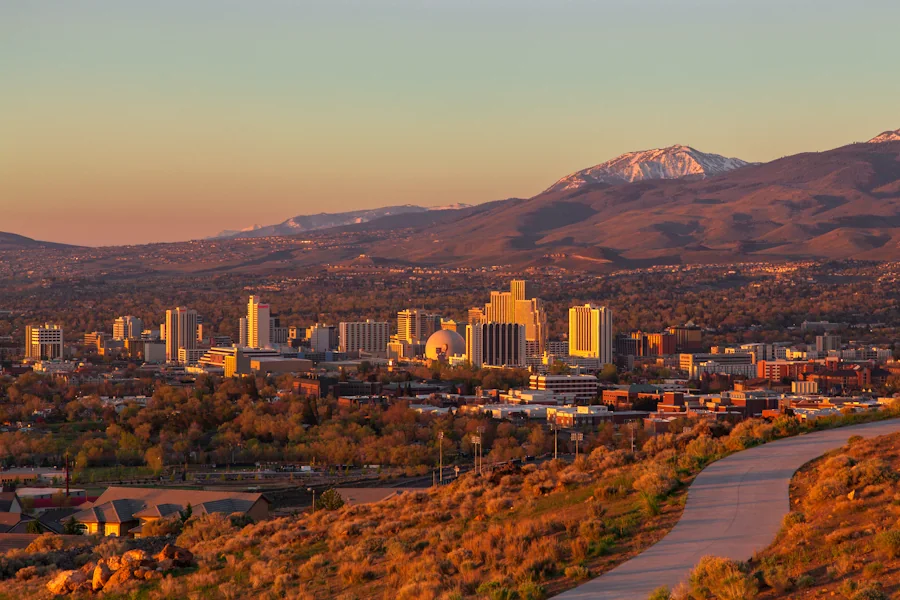
Reno's skyline can make wildfire seem like a concern for distant mountain cabins. Yet a house at the edge of a developed neighborhood may back onto open slopes while remaining minutes from ordinary city services. That contrast is central to a useful insurance discussion: explain the relationship between the building and adjoining land rather than describing the property simply as urban or rural.
Reno Fire Department notes that local combinations of wind, dryness and heat deserve attention and that fire danger is not confined to summer. Homeowners should therefore avoid treating an autumn renewal as separate from wildfire preparation. Keep property records current through the year, especially when landscaping, roof work or nearby construction changes the conditions visible in older photographs.
Reno and the surrounding county are different starting points
A Reno mailing address does not settle every jurisdiction question. Verify the parcel location and the responsible fire agency before requesting a municipal inspection or describing protection information to an insurer. Washoe County's regional mapping system identifies numerous planning areas, including Northwest Reno, Southwest Reno, Galena and Verdi/Mogul. These place names help orient a review; they are not interchangeable insurance ratings.
For a home near the western foothills, show the slope behind the property and the transition from landscaping to open ground. For an interior neighborhood lot, show building spacing, fences and ornamental vegetation. For a larger parcel outside city limits, identify outbuildings and access separately. The distinction is the property's physical arrangement, not a claim that one named area is automatically insurable.
Dry open ground deserves its own description
Do not equate a lack of tall trees with a lack of material that can burn. Ask a local assessor to identify the vegetation actually present, including seasonal grass or shrubs near the lot. Photograph the boundary when conditions are representative, and record the date. A spring image of green growth may leave an insurance reviewer with an incomplete picture of the maintenance required later.
Focus on continuity. Does vegetation extend beneath a fence that connects to the house? Does wind deposit dry material at a garage corner or against a deck? Is an adjacent strip controlled by the association, the city or a different landowner? These questions turn a broad open-space concern into a set of observable features and clarify who can address them.
Reno offers practical entry points for an assessment
The city's wildfire-preparedness page provides a defensible-space inspection request and information about fuels-reduction activities. Use the current page to find the appropriate service rather than relying on an old event flyer. Ask whether your location qualifies and whether the assessment covers building vulnerabilities, vegetation or both. A clear scope helps you collect useful documentation from the visit.
Reno also publishes green-waste disposal opportunities associated with its wildfire program. Schedules change, so verify the current collection arrangements and accepted material before loading a vehicle. If a neighborhood project helps remove vegetation, keep a record of the completed work on your property. Participation is useful context, but it does not replace the insurer's own evaluation of the address.

Check the house at its connections
A carefully maintained yard can still leave combustible material against a building. Review the joints between roofs and walls, fencing and siding, decks and stairs, or landscaping and exterior doors. Show those locations in a labeled photo set. Ask a qualified professional about vents and other openings rather than improvising alterations that might affect ventilation or building performance.
If an assessor recommends changes, separate routine cleaning from construction work and from vegetation treatment outside your control. Ask contractors for an itemized description and completion photographs. Keep model information for installed products where available. When comparing before-and-after images, use similar angles so an insurance reviewer can see the exact feature addressed rather than guess what changed.
For a property beside an association's common area, request the relevant maintenance contact and any documented project plan. Describe the work accurately and note its date. A planned project is different from completed treatment. Do not submit a future promise as though a neighboring strip has already been cleared, and do not perform work beyond your boundary without authorization.
Prepare for a smoke or evacuation disruption
Reno's emergency-management resources and the fire department's linked evacuation information are the proper starting points for current directions. Familiar roads across the Truckee Meadows may not be available in the way you expect during an incident. Build a household plan around official updates, transport needs, pets, accessible supplies and a way to communicate if family members are separated.
Insurance questions about evacuation are different from the decision to leave. Ask your agent in advance how the proposed policy addresses additional living expense, prohibited use and any triggering conditions. Keep copies of an applicable order and necessary expense records if a disruption occurs. Do not assume that visible smoke, a voluntary hotel stay and an official evacuation all produce the same coverage response.
Bring accurate rebuilding and occupancy details
Reno's range of housing means an agent should not estimate your property from an average neighborhood photograph. Identify additions, interior upgrades, detached workshops and substantial decks. Ask how the rebuilding estimate accounts for the actual materials and site. Check whether the described square footage and roof information agree with your records, and resolve discrepancies before comparing proposed limits.
Explain any rental activity, home business or extended unoccupied period. If a property has become a second residence, say so directly. Ask about policy conditions that relate to the real use. A quote built on an inaccurate occupancy description may look attractive but does not give you a sound basis for choosing protection.
Respond to a decline with a focused record
Ask whether the carrier's concern comes from a recent inspection, older imagery, loss history or a broader underwriting rule. Provide the notice, relevant dates and a concise explanation of corrections. Include repair records for prior claims instead of assuming the insurer can infer completion. Use the agent's secure channel for documents containing personal or financial information.
A specialist can review possible alternatives and compare exclusions, deductibles, settlement terms and inspection requirements. Our options guide helps structure that comparison. If your existing policy is ending, use the nonrenewal guide to organize the timeline. A difficult first answer does not prevent a better-documented review of your individual Reno property.
Continue exploring Nevada
Nevada wildfire insurance guide
- Carson City
- Incline Village and Crystal Bay
- Gardnerville and Minden
- Las Vegas Valley Wildland Interface
Common questions
Does my Reno postal address mean Reno Fire handles my assessment?
Verify the property's jurisdiction and responsible fire agency. Mailing names and service boundaries can differ. Confirming the right local office avoids requesting a municipal program for an address it does not serve.
Should I photograph a grassy lot even if there are few trees?
Yes. Show the actual vegetation near the building and along the parcel boundary, with dates. Ask a local assessor to explain seasonal maintenance needs. Tall trees are only one part of the surrounding-landscape discussion.
Where can Reno homeowners request defensible-space guidance?
The city fire department publishes an inspection request through its wildfire-preparedness resources. Confirm current availability and the scope of the visit. Keep the recommendations and completion records if you later submit them to an insurance professional.
Will every evacuation-related hotel bill be covered?
That depends on the policy and circumstances. Ask about additional living expense and prohibited-use provisions before an incident. Follow official safety directions, retain relevant records and let the insurer explain the applicable coverage and limits.
Sources and further reading
- Reno Fire Department: wildfire preparedness
- City of Reno: emergency preparedness
- Washoe County: regional mapping system
Program rules and insurance terms can change. Check the linked agency or program before relying on eligibility, coverage, or local requirements.
General educational information. This website does not issue policies, bind coverage, or provide emergency alerts. Coverage and eligibility require individual review.