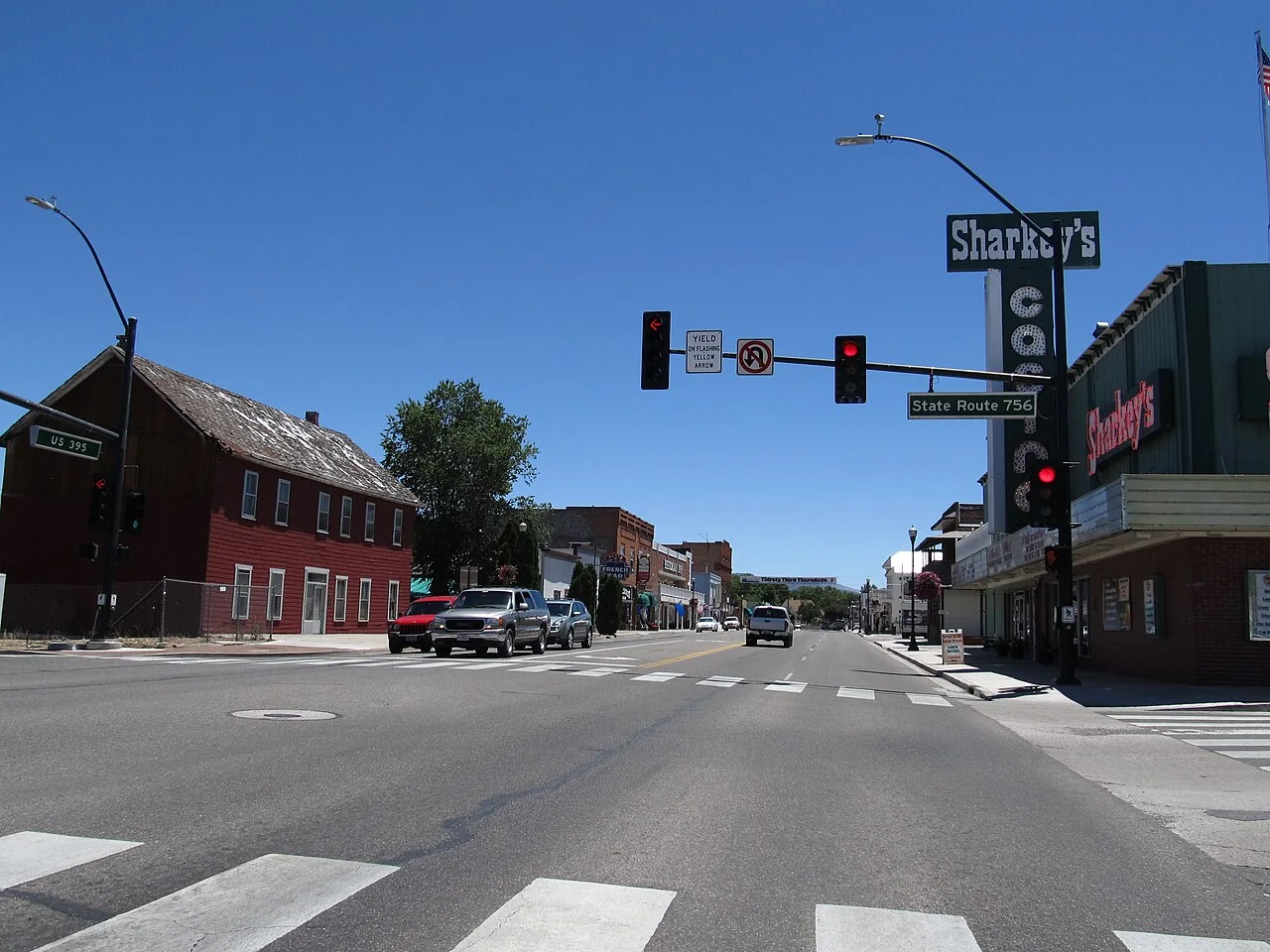

Gardnerville and Minden sit within a valley landscape where residential streets, working land and foothill development meet. A house surrounded by other buildings has different documentation needs from one sharing a parcel with a barn, equipment storage or open acreage. When wildfire complicates insurance, those distinctions are more useful than describing every Carson Valley address with the same broad label.
East Fork Fire Protection District explains that much of its wildfire work involves the wildland-urban interface. Its local planning resources provide context for homeowners across the district, including the Minden and Gardnerville area. Use that information to ask better questions about your property, while keeping the insurer's evaluation separate from public community planning.
Start with the parcel, not the town name
Establish the legal address, responsible fire agency and the boundaries of the property. Gardnerville, Minden and nearby rural locations are often grouped together in everyday conversation, but an insurer needs the actual site. Show whether the house fronts a developed street, connects through a private drive or shares access with another owner. Describe those arrangements without assuming a familiar mailing name settles them.
The Carson Valley setting also makes it useful to distinguish maintained yards, pasture, idle ground and foothill vegetation. Do not label a field as a permanent firebreak simply because it appears green in one photograph. Explain who manages the land and what you know about its present use. Ask an assessor how seasonal changes should influence maintenance on the residential portion of the parcel.
Separate the residence from acreage and outbuildings
List each structure and its purpose: dwelling, detached garage, workshop, storage shed, barn or guest space. Include dimensions and construction information where available. Tell the agent about animals, equipment, business activities and any rental use. These details can affect which coverage arrangement is appropriate, so the wildfire discussion should not crowd them out of the application.
Photograph the spaces between structures as well as the buildings. Show stored materials, fencing, access lanes and vegetation that connects one area to another. If you keep hay, fuel or equipment, describe it accurately and ask for relevant fire-safety and insurance guidance. A residential policy discussion should not proceed as though the parcel contains only the house when other uses are present.
Use East Fork's local planning as context
The district publishes a Community Wildfire Protection Plan and maintains wildfire and fuels information. These are useful starting points for understanding the broader interface and finding the appropriate local contact. Ask how to obtain guidance for your address and whether a site visit is appropriate. Community planning categories should not be converted into a claim that a particular insurer must accept or reject the home.
Keep the date and scope of any assessment in your records. If the document concerns a neighborhood rather than your parcel, say so. If recommendations apply to access, vegetation or building features, organize them into separate tasks. This prevents a future agent or buyer from mistaking a general community plan for evidence that all recommended work was completed at the property.
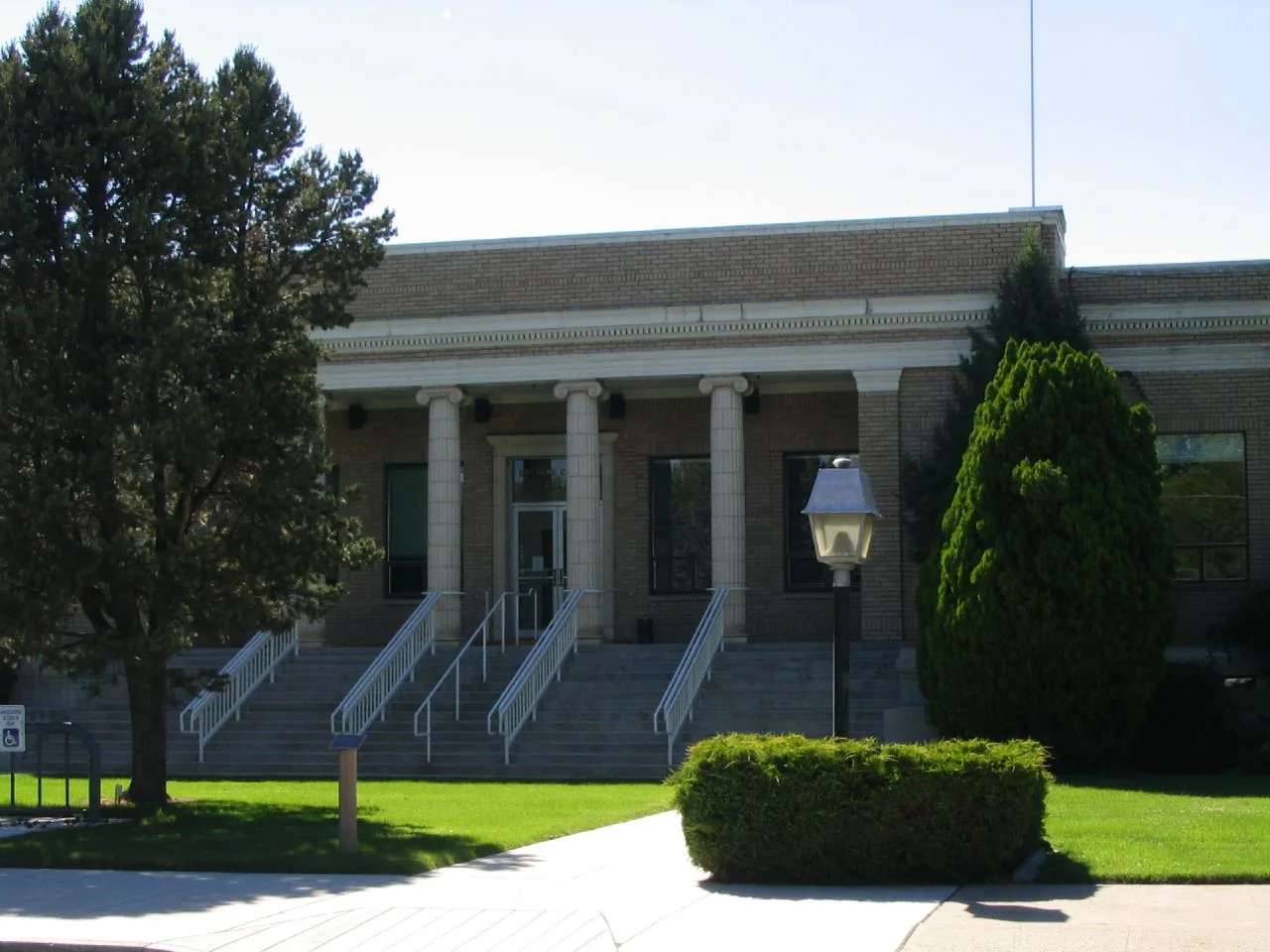

Look carefully at the edges around the house
A larger parcel can make a home seem well separated while leaving combustible material close to its walls. Review the transition from yard to field, the base of decks and stairs, and any wooden fence connection. Photograph roof edges and exterior openings from safe positions. Ask a qualified professional to evaluate features that require technical judgment or unsafe access.
For a foothill property, include photographs showing the slope below the home and the relationship between the driveway and surrounding vegetation. The Pine Nut foothills and the mountain-facing side of the valley are geographic context, not ratings. Your documentation should explain the actual ground and structures rather than draw conclusions from a distant mountain view.
When mitigation extends beyond your fence, identify the owner before making commitments. A neighboring agricultural operation, common parcel or public tract may have a separate management plan. Coordinate lawfully and tell the agent which work is complete, proposed or outside your control. That distinction is more credible than an unsupported assurance that the entire surrounding area has been treated.
Build an evacuation plan that includes animals and equipment
For some Carson Valley households, leaving involves more than loading a car. If animals need transport, arrange suitable equipment, help and a destination in advance. Ask local emergency authorities where to find current guidance and how alerts apply to your address. A plan that depends on locating a trailer after an order arrives may leave important questions unresolved.
Do not assume a farm lane, private road or familiar cross-valley connection will be usable during a fire. Follow current official directions. Keep gates, address identification and contact arrangements under review with the responsible authority. Never delay a required departure to move property, take insurance photographs or retrieve paperwork; maintain document copies somewhere accessible before an emergency.
Match rebuilding coverage to the structures you actually own
Ask the agent to explain how each building appears in the proposal and what limits apply. A detached workshop used for income may need a different discussion from a garage holding household belongings. Renovated interiors, additions and specialized materials also deserve attention. Check the property description rather than assuming a previous policy captured everything correctly.
Review deductibles, roof settlement, exclusions and additional living expense for the dwelling. Ask separately about equipment, animals, business property and any structures with different uses. The appropriate arrangement depends on the actual contracts and activities. Our coverage-options guide helps frame questions, but a licensed professional must evaluate how the pieces fit your particular parcel.
Give a specialist a clear account of the concern
If a carrier has declined or issued a nonrenewal, gather its explanation and the relevant dates. Add claim details, repair records and a current photo set. When a concern involves old imagery, show the same feature after work and identify the completion date. When it involves land use, clarify the actual use rather than selecting an inaccurate description that seems easier to insure.
A difficult insurance search can become more manageable when the file makes the property understandable. The objective is a correct submission that distinguishes the residence, its surroundings and any additional activities. Use our nonrenewal guidance to track the process, and ask a specialist which available insurers can consider the documented facts without promising a particular outcome.
Continue exploring Nevada
Nevada wildfire insurance guide
Common questions
Does a Minden or Gardnerville address tell an insurer everything about my setting?
No. Provide the parcel location, service jurisdiction, access arrangement and actual surrounding land use. A developed residential lot and a home on acreage should not be described identically merely because they share a town name.
Should I include barns and workshops in a wildfire insurance review?
Yes. Identify every structure, its construction and use, including business activity or stored equipment. Ask the agent which limits and policy forms apply. Do not assume a dwelling proposal adequately addresses all other buildings on the land.
Can I describe a neighboring irrigated field as guaranteed protection?
Describe its current condition and ownership accurately instead. Land use and seasonal conditions can change. Ask a local assessor about your own maintenance priorities, and avoid promising an insurer that another property will always serve as a buffer.
Where can I find local Carson Valley wildfire-planning information?
East Fork Fire Protection District publishes wildfire and fuels resources and a Community Wildfire Protection Plan. Use them for regional context and local contacts. Ask separately about a property-specific assessment and insurer-specific requirements.
Sources and further reading
- East Fork Fire Protection District: wildfire and fuels
- East Fork Fire Protection District: Community Wildfire Protection Plan update
- East Fork Fire Protection District: stations
Program rules and insurance terms can change. Check the linked agency or program before relying on eligibility, coverage, or local requirements.
General educational information. This website does not issue policies, bind coverage, or provide emergency alerts. Coverage and eligibility require individual review.