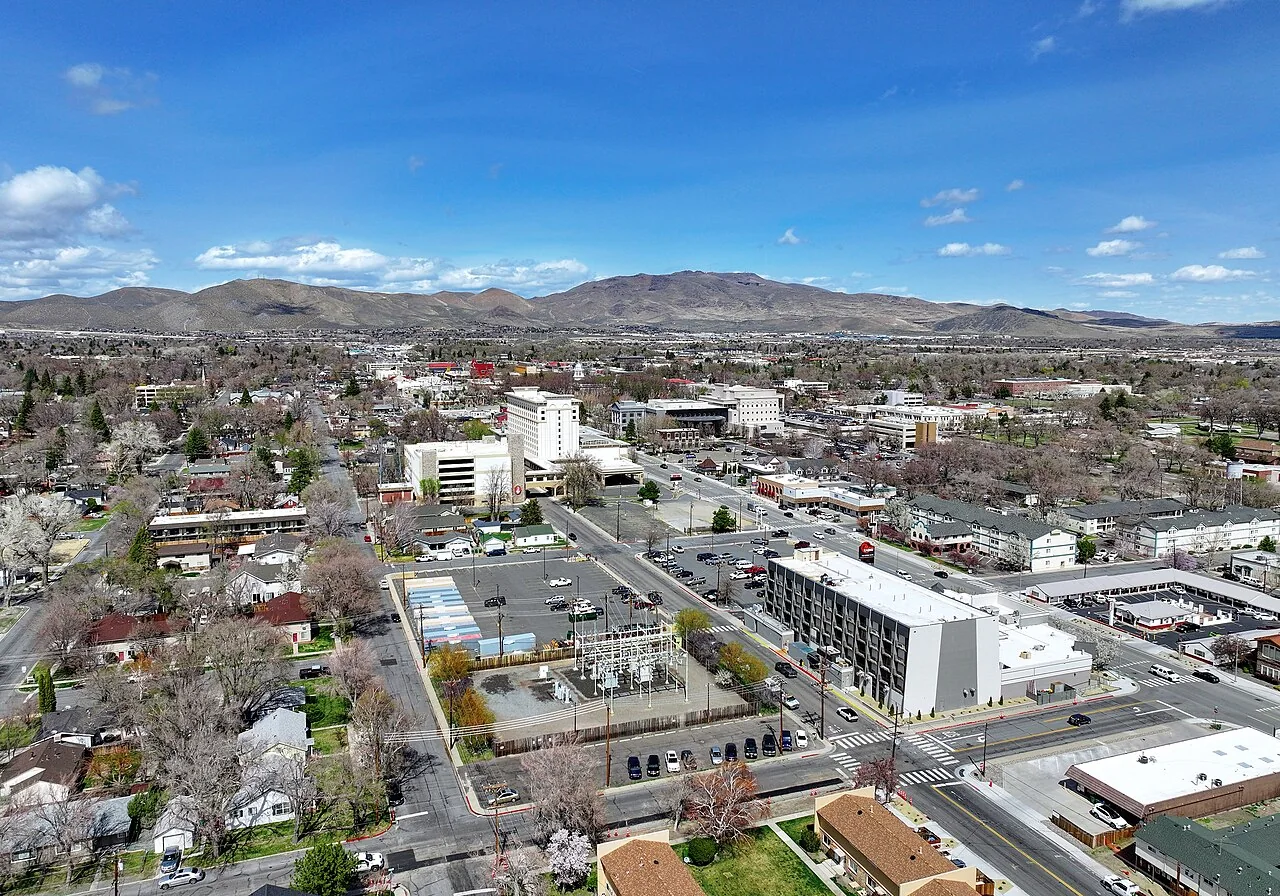

In Carson City, wildfire preparation can be visible in an unusual form: sheep grazing public foothill areas. The city describes this work as part of a continuing effort to reduce fuels and strengthen community resilience. It is a distinctly local reminder that wildfire planning reaches beyond forested mountain properties. Open slopes and neighborhood edges also belong in the discussion.
For a homeowner seeking insurance, the important next step is to connect that community context to a specific parcel. A public project, nearby trail or canyon name does not establish the condition of your roof, deck or landscaping. Prepare a clear account of both the surrounding setting and the parts of the property you maintain directly.
Understand the foothill setting without assigning rankings
The city's Sheep Project describes grazing areas near Western Nevada College, Timberline and Lakeview, as well as slopes extending from Voltaire Canyon toward areas south of Kings Canyon. These references identify the geography of a public program. They should not be read as an official list of safe or unsafe neighborhoods, or as confirmation that a particular yard has been treated.
For a home facing those foothills, show how the parcel connects to surrounding open land. For a property farther into developed streets, show fences, adjacent buildings and ornamental planting near the structure. Ask a local assessor to consider the actual arrangement. A citywide map or a grazing photograph cannot replace an examination of the building and its immediate surroundings.
Use the Waterfall Fire lesson carefully
Carson City's description of its grazing program connects the work to recovery and resilience after the destructive 2004 wildfire. This historical context explains why the city continues to manage vegetation on the western side. It does not predict the next incident's path or establish that a location outside an old perimeter has no exposure.
If you are buying or renewing coverage, distinguish community history from the home's claim history. Ask the seller or your records for actual losses and repairs affecting the property. Do not infer that a house was damaged simply because it is near a named canyon. Equally, do not assume completed regional recovery work removes the need to maintain the parcel itself.
Begin with Carson City's Wildland Fuels Division
The fire department's Wildland Fuels Division provides a local point of reference for community wildfire planning and mitigation. Ask which assessment or resource applies to the address and whether recommendations should account for slope, vegetation or construction features. A local conversation can help separate an immediate cleanup task from a project needing a qualified contractor or another owner's participation.
If your neighborhood has a preparedness group, obtain its current plan and identify the work actually completed. Keep association activity separate from improvements at your house. A community designation or plan can be useful background, but ask the insurance agent what a particular company recognizes. Do not assume a neighborhood's participation automatically produces coverage or a premium credit.


Walk the boundary before the insurance inspection
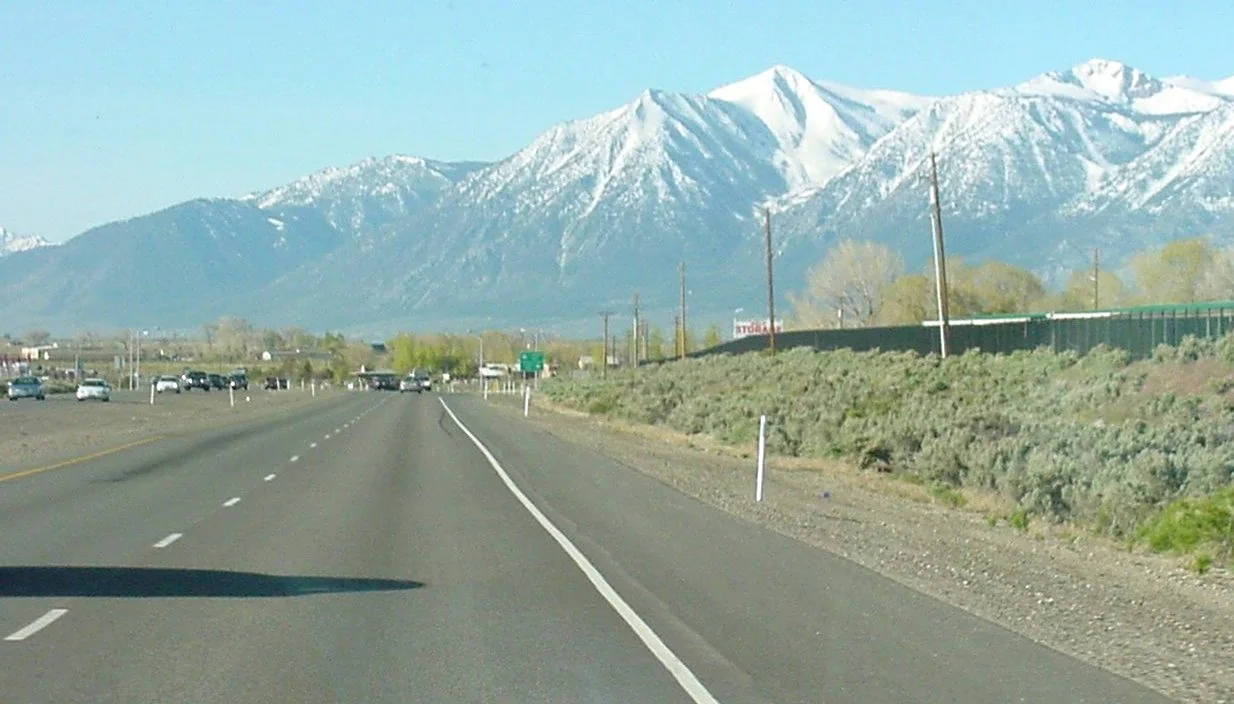
A useful Carson City photo set begins where maintained landscaping meets untreated ground. Record any fence connection to the house, storage against exterior walls and vegetation beneath raised surfaces. If your lot slopes, include a side view showing the ground below decks or balconies. Those details may be missed in the attractive front photograph normally used in a property listing.
Ask about the ownership of adjoining land before describing it as protected space. A trail corridor, grazing area and privately maintained strip have different responsibilities. Show the boundary on a simple sketch and record whom you contacted. If an insurer requests work outside your ownership, ask for clarification and lawful coordination rather than agreeing to a task you cannot authorize.
For completed improvements, pair photographs with descriptions that identify the work. Roof materials, vent products, fencing changes and debris removal should not all be summarized as general upgrades. The clearer the evidence, the easier it is for a specialist to explain the property. None of these records turns a public fuels project into a guarantee for the individual building.
Do not let a hillside view obscure access planning
Review the connection from the public street to the house. Is the address visible? Does a gate require a particular access arrangement? Can the responsible authority identify any driveway concerns? Seek actual local guidance when technical questions arise. A homeowner's impression that a road is wide enough should not be substituted for a professional determination.
Roads through or beside Kings Canyon, Lakeview and other foothill areas are geographic references, not standing evacuation directions. Follow the current instructions of local officials. Plan for family communication, assistance needs and pets before an emergency. If household members work in different parts of the region, agree on a contact arrangement that does not require everyone to return home first.
Compare insurance around the real rebuilding need
Prepare the dwelling's construction history, roof age, additions and major updates. Identify detached garages, sheds or workshops and explain their use. Ask the agent how the rebuilding estimate accounts for the actual site and materials. The market value of a view or location is different from the expense of replacing the insured structure.
Review proposed exclusions, deductible amounts, roof settlement and additional living expense limits. Ask whether inspections or post-binding work requirements apply. If a prior claim has been repaired, provide dates and completion records. Our coverage-options guide helps frame the comparison, but the agent should explain the exact contracts offered for your Carson City home.
Turn an unclear carrier notice into specific questions
Identify whether the concern involves current vegetation, outdated photographs, the wider location or another factor. If the image is old, send a dated comparison. If work is incomplete, state the planned scope and timing accurately. Do not represent a contractor estimate as a finished project or assume a neighboring public treatment will satisfy a request directed at your lot.
A licensed specialist may be able to investigate options beyond the insurer that issued the notice. Start early enough to gather the right records, and use our nonrenewal checklist to track the deadline. Local knowledge is valuable when it explains the property precisely: Carson City's public efforts provide context, while your own documentation shows what has been done at home.
Continue exploring Nevada
Nevada wildfire insurance guide
Common questions
Does Carson City really use sheep for wildfire-related fuels work?
Yes. The city describes a grazing program on western foothill areas as part of fuels reduction and community resilience. Check its current project information for locations and guidance. The program does not establish that any individual residential lot has been treated.
Can the grazing project guarantee insurance for a nearby home?
No. Supply documented project information only as context. An insurer evaluates its own criteria, and an agent should explain whether surrounding-land treatment is relevant to the particular application. Your building and parcel still need accurate records.
Should a Kings Canyon address be described by an old fire perimeter?
Use the actual address and present conditions. Historical fires inform planning, but do not establish a home's claim history or predict another fire. Document losses and repairs from property-specific records rather than geographic assumptions.
Who can help with Carson City vegetation questions?
Begin with the fire department's Wildland Fuels Division and confirm the appropriate resource for the parcel. Ask about site-specific priorities, ownership boundaries and current community planning. Then coordinate any insurer request through your licensed professional.
Sources and further reading
- Carson City: Sheep Project
- Carson City: Wildland Fuels Division
- Carson City: Kings Canyon trail system
Program rules and insurance terms can change. Check the linked agency or program before relying on eligibility, coverage, or local requirements.
General educational information. This website does not issue policies, bind coverage, or provide emergency alerts. Coverage and eligibility require individual review.