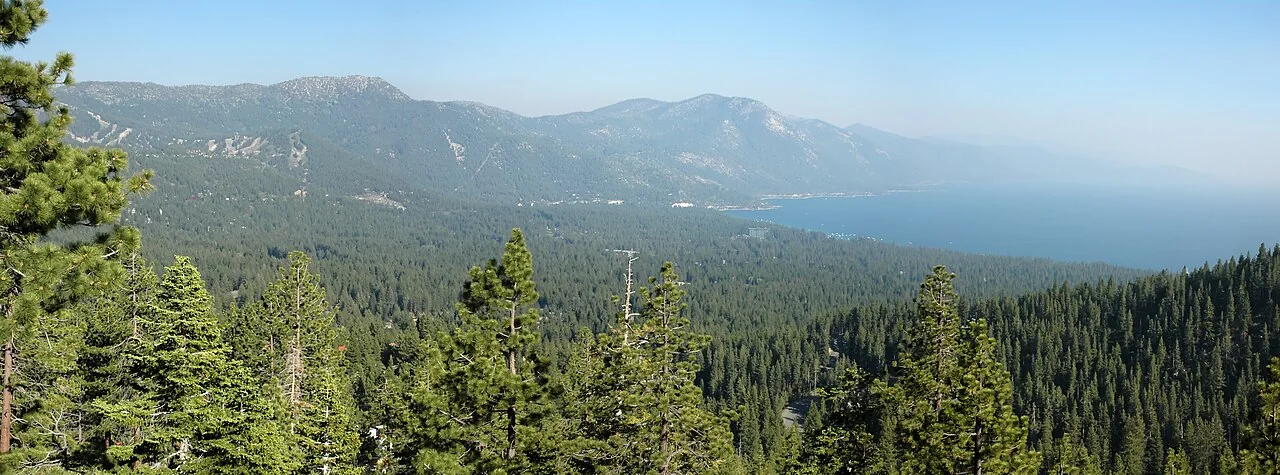

A Lake Tahoe view is not a complete description of an Incline Village or Crystal Bay property. A lakeside home, an uphill residence and a condominium within a managed complex can have different surroundings, maintenance responsibilities and insurance arrangements. Start with the actual building and parcel, then explain how the forest, slope and neighboring structures relate to it.
The North Lake Tahoe Fire Protection District offers local defensible-space guidance and evaluates both vegetation and home vulnerabilities. That distinction is particularly useful here: a tree-management question is not the same as a question about combustible material under a deck or openings in the building. A thorough insurance file should make both subjects easy to understand.
Look at the uphill and downhill sides
Mountain properties can present a modest street elevation while extending above a substantial slope on the opposite side. Photograph all sides from safe positions, including the ground below balconies and elevated decks. Note stored materials, vegetation and structural connections. Ask an assessor which features need closer attention instead of treating the front view as representative of the entire house.
Incline Village and Crystal Bay sit along Lake Tahoe's northern shore, but water views do not replace assessment of forest conditions. Show the actual distance and connection between the structure, surrounding plants and adjacent buildings without inventing a property risk score. If an association maintains part of the landscape, identify where that responsibility begins and ends.
Use the district's assessment process before substantial tree work
The fire district's defensible-space resources describe vegetation and home-vulnerability checklists. Ask about an evaluation for your address and the current process for obtaining the written findings. Bring any insurer request so the assessor understands the question you are trying to resolve. Keep the resulting recommendations as a work plan, not as evidence that an insurer has approved the property.
Tahoe tree work can involve permits and other local requirements. The district's published guidance directs owners to coordinate tree removal and defensible-space needs through the appropriate agencies. Confirm current rules for the particular trees and site before cutting. Do not rely on an old diameter threshold or assume an insurance request overrides a permit requirement.
If a contractor proposes removal, ask for the scope, approval responsibilities and disposal method in writing. Keep the permit or authorization, where required, together with invoices and completion photographs. Also ask what maintenance remains after removal. A project that addresses one tree does not necessarily address material against the house, the roof edge or an attached wooden feature.
Make forest maintenance a documented routine
Snow, changing seasons and time away can complicate a Tahoe maintenance schedule. Ask a qualified local professional when the property can be inspected thoroughly and which tasks need repeating. Take dated photographs after conditions allow an accurate view of the ground and roof edges. An image obscured by snow may not establish what vegetation or stored material lies underneath.
Record cleanup of roof valleys, gutters and accessible deck areas alongside any building improvements. If chipping or other district services are available, verify the current scheduling and material-preparation rules. Do not place piles where they obstruct access or assume a historical collection schedule still applies. A clear record of work completed is more useful than a list of services you intend to request.

Condominium owners need a responsibility map
If you own a unit in Incline Village or Crystal Bay, ask the association for the relevant master-policy information and a plain description of maintenance responsibilities. Determine who handles roofs, exterior decks, vegetation and common access. Then ask your own agent how the unit policy fits those arrangements. Shared maintenance does not mean every loss falls under the same contract.
Provide association documents rather than relying on a neighbor's summary. Ask about deductibles, interior improvements, personal property and any assessment-related coverage that may be relevant. If the association announces vegetation work, distinguish planned activity from completed treatment. A unit owner can help keep the record accurate without claiming to control the whole complex's underwriting or maintenance.
Be candid about second-home and rental use
Tahoe properties often change use over time. Tell the agent whether your home is occupied full time, used seasonally, rented to guests or undergoing renovation. Include detached living spaces and any management arrangement. Ask which policy conditions correspond to that use, particularly when the house is empty between visits or when paying guests replace owner occupancy.
For a rental, give guests the official emergency-information source and the property's full address. Arrange communication with the manager and clarify that current authority instructions take priority over a printed itinerary. Ask the agent separately how any rental-income or interruption coverage operates. A booking platform's protection description should not substitute for understanding the insurance on the dwelling.
Use current Tahoe emergency information
Washoe County publishes emergency-preparedness information for Incline Village and Crystal Bay. Use official current directions when an incident occurs, and verify that your household knows how to obtain them. Mountain highways may be affected by conditions that a static article cannot anticipate. Do not assume access to the lakeshore, a familiar road or a recreational route provides a safe alternative.
Plan transport, medications, pets and assistance needs before an alert. Keep policy details and a home inventory accessible away from the property. If you must leave, document applicable orders and necessary expenses while following official directions. Ask the insurer how any additional living expense or prohibited-use provision applies, because the answer depends on the policy and circumstances.
Make the insurance comparison fit the actual home
Ask how the rebuilding estimate addresses the home's construction, access, finishes and exterior features. Views and land value are different from reconstruction cost. Review coverage for detached structures and discuss any unusually costly materials with the agent. An older listing description may omit improvements, so provide permits or invoices when they help correct the building record.
If you face nonrenewal, supply the notice, dates, assessment findings and completed-work evidence. Ask whether the concern can be reconsidered and what alternatives a specialist can investigate. Compare exclusions, deductibles, settlement terms and required inspections carefully. Our coverage-options guide supports that discussion without promising that a particular Tahoe address will qualify.
Continue exploring Nevada
Nevada wildfire insurance guide
Common questions
Should I remove Tahoe trees immediately if my insurer mentions vegetation?
First clarify the insurer's concern and coordinate with the fire district and relevant permitting authority. Current requirements depend on the site and work. Keep any required approvals and completion records, then ask the agent how to submit them.
Does lakefront location eliminate wildfire concerns?
No view or landmark evaluates the structure. Review nearby vegetation, roof and deck details, surrounding buildings and access for the specific property. A lakeside address should still be documented accurately rather than treated as automatically protected.
Can an Incline Village condominium rely entirely on the association policy?
Ask for the master-policy information and maintenance responsibilities, then have your agent explain how your unit coverage fits. Interior improvements, personal property, deductibles and assessments may require separate discussion under the actual contracts.
What should I retain after a district defensible-space evaluation?
Keep the findings, prioritized recommendations, any required authorization and evidence of completed work. Identify what remains outstanding. The evaluation is useful documentation, but it is not an insurance guarantee or a promise of a particular rate.
Sources and further reading
- North Lake Tahoe Fire Protection District: defensible space
- North Lake Tahoe Fire Protection District: tree removal and defensible-space steps
- Washoe County: Tahoe emergency preparedness
Program rules and insurance terms can change. Check the linked agency or program before relying on eligibility, coverage, or local requirements.
General educational information. This website does not issue policies, bind coverage, or provide emergency alerts. Coverage and eligibility require individual review.