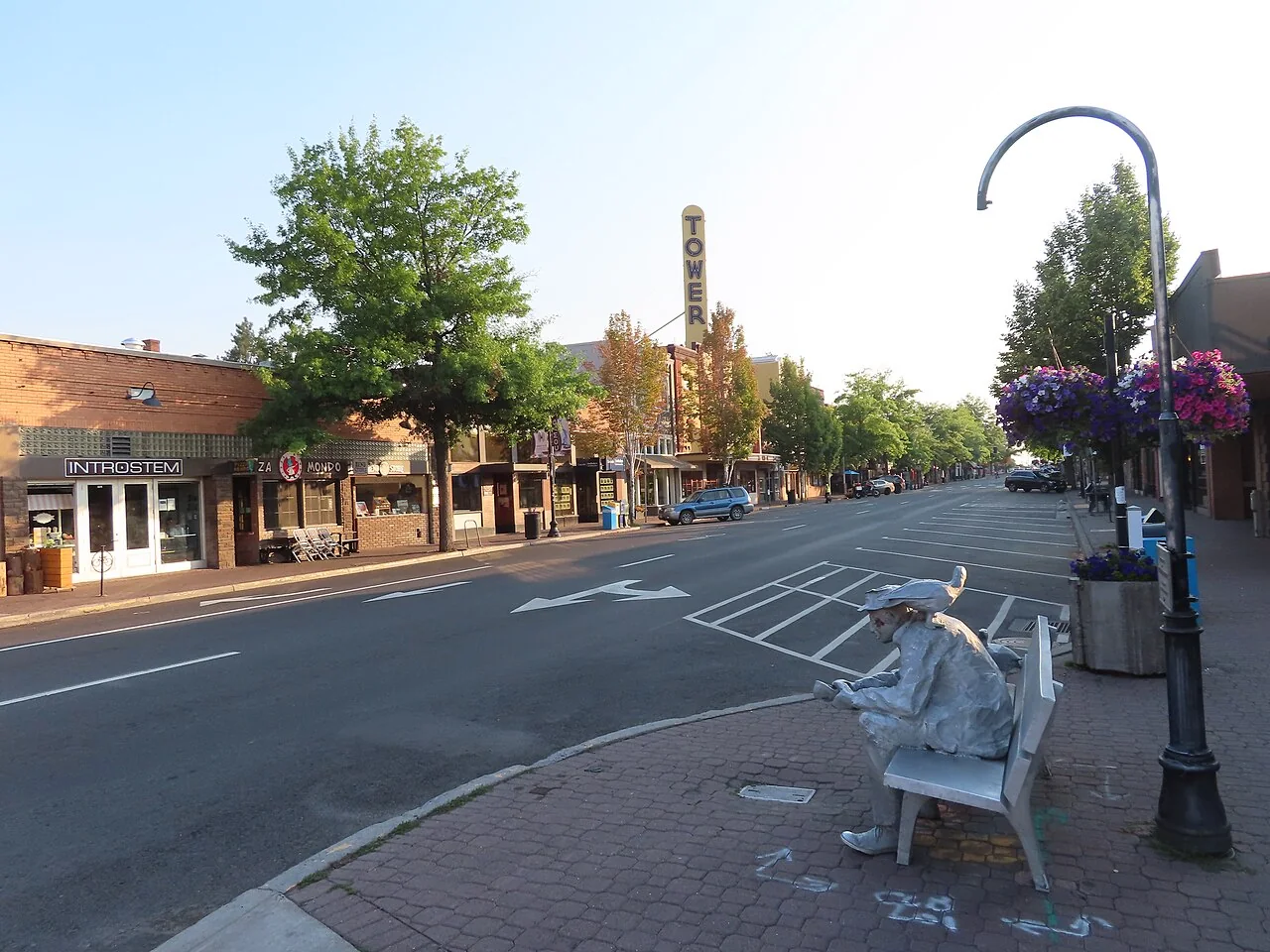

Oregon's insurance questions can look different on a high-desert forest edge near Bend, in the Rogue Valley or in the wooded hills around Eugene. Local surroundings deserve attention, but a city name or an old map is not a complete assessment of a home. Begin with the current insurer's written concerns and a practical review of the property, coverage and available alternatives.
Oregon has an operating FAIR Plan
The Oregon FAIR Plan provides a last-resort route for eligible property owners who cannot obtain standard-market coverage. A licensed agent must submit the application, and the process requires standard-market declinations. Ask the agent to confirm the current application and property requirements. Keep records of the private-market search so the submission is supported.
Continue to compare any available private-market offers with the full FAIR arrangement. Basic property coverage may require additional protection, depending on the policy and the household's needs. Have the agent identify exactly what is covered by each proposed contract. The existence of the program does not guarantee an application will be accepted or that a basic policy will satisfy every coverage need.
Five Oregon areas with different property questions
These local guides describe landscape context and useful review questions. They are not official hazard classifications, insurer scores or a ranking of cities.
| City / area | Why wildfire / brushfire exposure varies | State FAIR Plan? |
|---|---|---|
| Bend | Ponderosa, bitterbrush and high-desert forest edge. Conditions vary by property, vegetation, slope and nearby structures. | Yes. Operating Oregon FAIR Plan; eligibility and application requirements apply. |
| Medford | Rogue Valley grass, oak foothills and developed corridors. Conditions vary by property, vegetation, slope and nearby structures. | Yes. Operating Oregon FAIR Plan; eligibility and application requirements apply. |
| Ashland | Oak-chaparral foothills and the Ashland Creek forest. Conditions vary by property, vegetation, slope and nearby structures. | Yes. Operating Oregon FAIR Plan; eligibility and application requirements apply. |
| Grants Pass | Rogue River canyons, dry oak-chaparral and forest. Conditions vary by property, vegetation, slope and nearby structures. | Yes. Operating Oregon FAIR Plan; eligibility and application requirements apply. |
| Eugene South Hills and Eastern Edge | South Hills forest, oak and Cascade-facing corridors. Conditions vary by property, vegetation, slope and nearby structures. | Yes. Operating Oregon FAIR Plan; eligibility and application requirements apply. |
Compare the entire coverage arrangement
Start with a rebuilding estimate and review the dwelling limit against the home's actual construction. Ask how the offered policy handles replacement cost, depreciation and roof settlement. Discuss wildfire and smoke explicitly, including exclusions, deductibles and any conditions that affect the protection.
Check personal property, detached structures, liability and additional living expense or loss of use one by one. Ask about debris removal, rebuilding-code costs and sublimits. If an agent recommends companion coverage, ask for a written explanation of which policy handles each need, any gaps and the combined annual premium and fees. Have the lender review the proposed insurance documents where appropriate.
Describe the property's use accurately, including seasonal occupancy, rental activity and outbuildings. Compare both protection and cost.
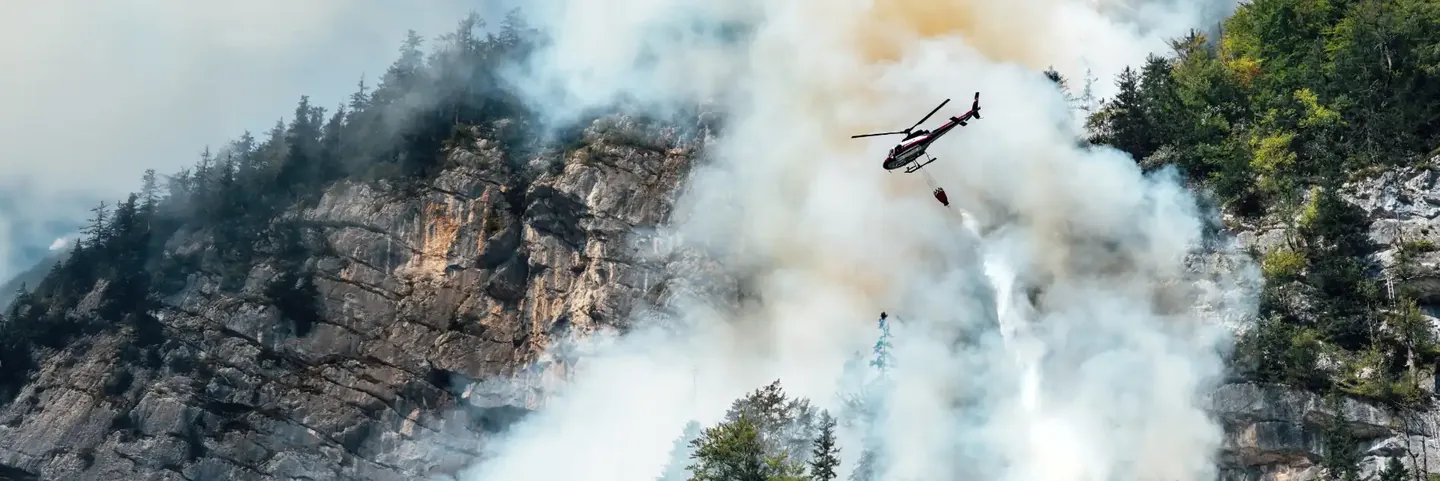
Respond to nonrenewal with a documented search
Save the full notice and declarations page, and record the stated reason and scheduled end date. Ask whether the insurer will consider corrected property information or evidence of completed work. Track any response in writing. A reconsideration request does not by itself establish that coverage continues past the date shown on the notice.
Provide the agent with claim dates, repair records, roof information and dated exterior photos. Ask which insurers have been approached, what declination records are available and what is needed for a complete FAIR application if that route becomes appropriate. Confirm the effective date and remaining conditions of any replacement offer before relying on it.
The Oregon Division of Financial Regulation provides homeowners insurance resources and consumer help. Contact DFR if you need assistance understanding an insurer's handling of a notice or coverage concern. Our nonrenewal guide can help you organize the documents for that conversation.
Use current Oregon defensible-space guidance
The Oregon State Fire Marshal provides defensible-space information and home-assessment resources. Ask about an assessment and how recommendations apply to the building and surrounding vegetation. Use current state and local guidance for requirements. Older descriptions of statewide hazard maps or mandatory codes may no longer reflect the rules that apply to your address.
Document work with before-and-after photos, invoices and assessment notes. Ask the insurer which improvements or records it will consider, especially before paying for a project solely to address an insurance objection. A defensible-space assessment supports property preparation; it is separate from underwriting approval and does not promise a policy, a renewal or a discount.
If the process feels overwhelming, start with the notice and an agent conversation. The coverage-options guide and defensible-space guide can help divide the work into manageable steps.
Use the Oregon guide as a directory, not a single landscape description
Central Oregon, the Rogue Valley, and the Eugene area provide different settings for a property conversation. The useful details may include surrounding vegetation, wooded slopes, nearby developed lots, and attached building features. A statewide overview cannot tell an insurer what is present immediately around your home.
Use the local articles to frame questions, then take photographs that show your own parcel. When a home borders shared or public land, identify that boundary and ask the responsible organization about its work. Do not present a nearby treatment project as proof that the individual home has no remaining concerns.
Keep current rules separate from older map discussions
When a source mentions a state map, program, or code requirement, confirm the current status with the agency responsible for it. Record which version is being discussed and whether it applies to your address. An older article, screenshot, or neighborhood discussion may not describe the requirements now in effect.
Ask an insurer separately which information it uses. A public planning tool and an underwriting model can have different purposes. If an assessment or application contains an apparent error, ask how to correct that specific information rather than assume that changing one public map will settle every insurance issue.
For an Oregon FAIR Plan proposal, review eligibility and the actual contract through the appropriate professional. Identify the protections supplied by that policy and any separate insurance being considered. Compare the complete arrangement before judging it by one premium or by the experience of another homeowner.
If mitigation work is planned, keep written instructions, contractor descriptions, and dated photographs. Confirm any local permissions before removal or alteration. Ask the insurer whether the resulting evidence addresses its request and whether further inspection or review is required.
Update the file when occupancy, rental use, claims, or building conditions change. The objective is an accurate current submission and a clear understanding of the offered protection. Neither a community name nor an earlier approval can guarantee the next underwriting decision.
Common questions
Can I apply directly to the Oregon FAIR Plan as a homeowner?
The Oregon FAIR Plan requires a licensed agent to submit the application. Ask the agent to confirm current requirements and collect the standard-market declination records needed for the process.
Will an Oregon FAIR policy include all the coverage I had before?
Do not assume that basic FAIR coverage duplicates the prior homeowners policy. Compare liability, belongings, additional living expense, valuation and exclusions, and ask whether additional protection is needed.
Should I rely on an old Oregon wildfire hazard-map article?
Confirm current state and local guidance before relying on older descriptions of maps or mandatory codes. Use Oregon State Fire Marshal resources and the relevant local authority for the requirements affecting your address.
Does an Oregon defensible-space assessment guarantee a discount?
No. The assessment supports preparation and mitigation planning. Ask the insurer separately whether any documented work qualifies for consideration under its current underwriting or discount rules.
Sources and further reading
- Oregon DFR home insurance
- Oregon FAIR property owners
- Oregon defensible space
- Oregon wildfire resources
Program rules and insurance terms can change. Check the linked agency or program before relying on eligibility, coverage, or local requirements.
General educational information. This website does not issue policies, bind coverage, or provide emergency alerts. Coverage and eligibility require individual review.