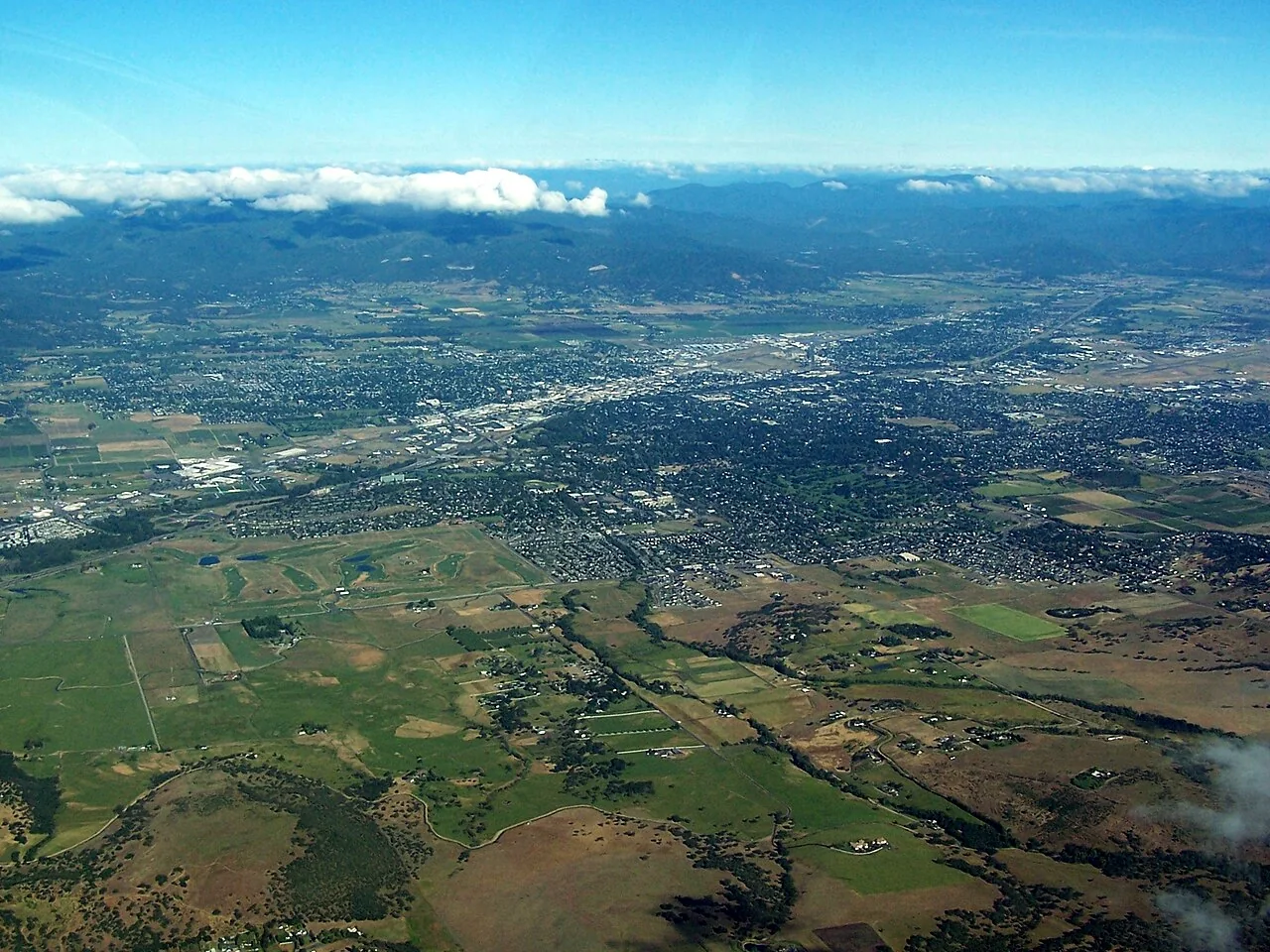

A Medford property does not have to sit deep in a forest to deserve a wildfire review. The city includes developed streets, creekside open space and neighborhoods rising toward Roxy Ann Peak. That combination calls for a more precise description than “Rogue Valley home.” The relevant questions concern the building, nearby vegetation, connected fences and sheds, and how the parcel meets land outside the owner's control.
For someone dealing with a cancellation, nonrenewal or difficult purchase, the first step is to slow the paperwork down enough to make it accurate. Identify the deadline, preserve the written notice and assemble a clear property record. Specialist agents may be able to evaluate alternatives, but the details of the property and the proposed policy must drive the conversation.
Medford's creek corridors belong in the discussion
In an April 2025 update, Medford described vegetation work along Larson Creek, Lazy Creek, Lone Pine Creek and the Bear Creek Greenway. The city said its mitigation effort expanded after the 2020 Almeda Fire. These named projects demonstrate that the local discussion extends into parks and open spaces within developed areas, not just the more visible hills east of town.
If your yard adjoins one of these corridors, document where the maintained residential area ends and the public or neighboring parcel begins. Ask the responsible land manager about maintenance concerns instead of cutting vegetation across a boundary yourself. For insurance purposes, a photograph showing both the house and the edge is more useful than a statement that “the city cleared the creek.” Work locations and maintenance conditions can change.
Roxy Ann creates another kind of property review
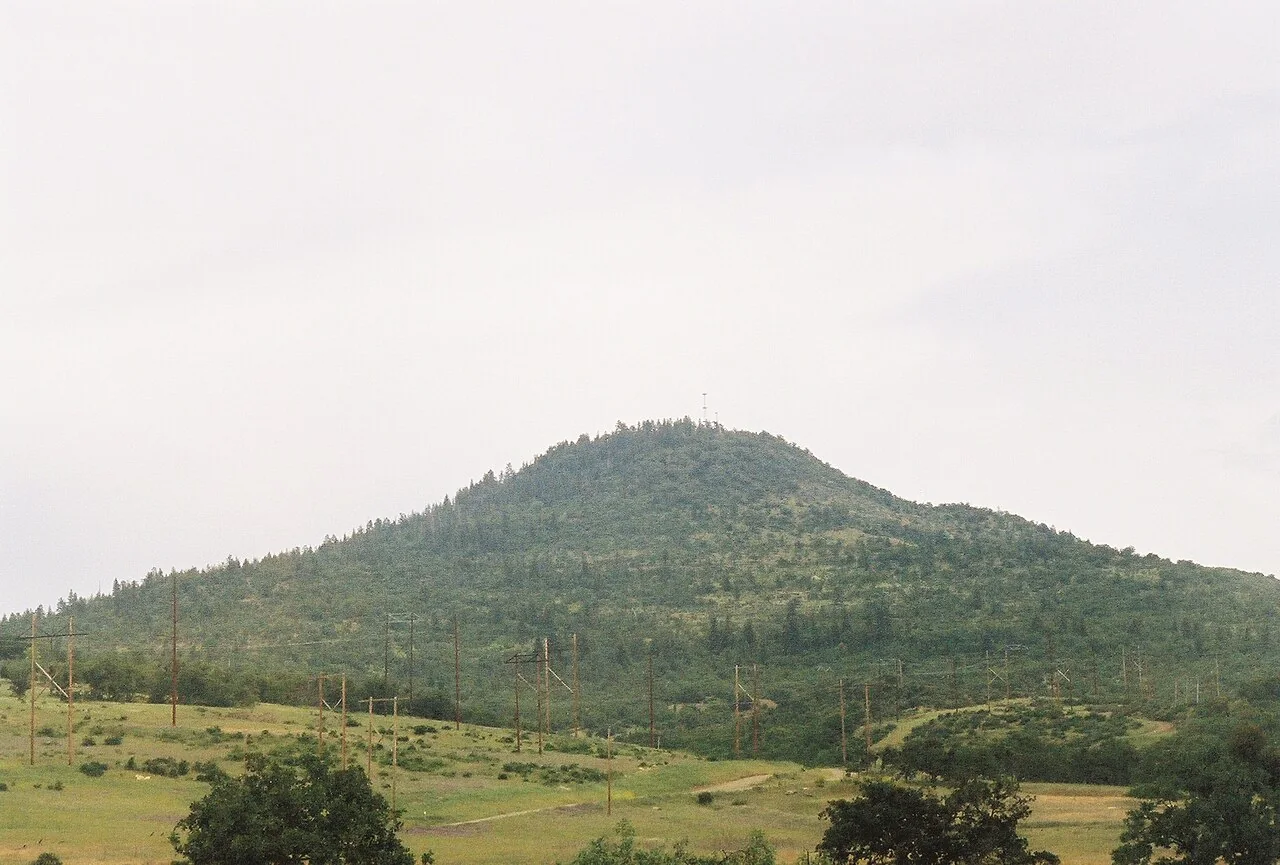
Prescott Park occupies Roxy Ann Peak at Medford's eastern edge. Homes in the surrounding foothill landscape may require attention to slope, access and vegetation below the structure. The existence of a nearby park does not describe the condition of a particular lot. Inspect the actual connection between the yard, adjoining ground and building materials before drawing conclusions from a map.
An elevated rear deck can be easy to overlook when an application relies on a photograph taken from the driveway. Include that rear elevation, any storage beneath the deck and the transition into the hillside. Where access is steep or vegetation is difficult to reach, ask for professional assessment. Clearing everything indiscriminately can create other problems, including disturbed ground and the loss of vegetation that a site specialist would retain.
Build a property file that explains the differences
Start with four exterior views and a short description of what each side faces. A Medford house may face an ordinary residential street while backing onto open land. Identify detached garages, accessory dwellings and other buildings separately. Mark the lot boundary on a simple sketch if it helps explain which trees or open areas belong to you.
Then organize evidence into three groups: existing construction, finished improvements and unfinished recommendations. Roof invoices, vent specifications and dated cleanup photographs belong with completed work. A contractor estimate belongs with planned work. Keeping those categories honest avoids confusion when an agent sends the file to a company or when an inspector sees the property later.

Choose maintenance that addresses the building
Medford Fire's Fire and Life Safety Division is a local starting point for prevention questions. Ask which assessment resources fit your address and whether a mapped hazard area has implications for a proposed construction project. Keep code questions with the city and underwriting questions with the insurer; the two reviews can overlap without using identical standards.
At home, look closely at the places where ordinary possessions meet the exterior: a woodpile against a garage, dry leaves in a roof valley, a combustible fence ending at siding or stored cushions beneath a covered porch. This is not a diagnosis of your property. It is a practical observation list to discuss with an assessor and a way to prioritize work that can be documented clearly.
Review the coverage behind the premium
A lower price is only useful if the proposed protection fits the home. Ask a licensed professional to compare the dwelling estimate, other structures, personal property and additional living expenses. For a Medford house with an older detached shop, tell the agent whether it contains household belongings, business equipment or rental space. Different uses require different questions before you rely on a quote.
Discuss smoke and ash concerns using the actual contract rather than assuming that every smoky day creates a covered loss. Ask what documentation the insurer expects if damage occurs and which expenses require approval. Likewise, ask how temporary housing provisions work after a covered event. The appropriate answer depends on policy language and circumstances, not simply whether a regional fire made local news.
If a lender or renewal deadline is approaching
Give the agent the date coverage must begin or continue, together with the current policy and written notice. Explain prior claims by date, cause and repair status. A completed water-loss repair or roof replacement may be relevant to the application even when the immediate concern is wildfire. Providing the whole record is more effective than sending only the one issue that feels urgent.
Our nonrenewal guide offers an organizing framework, and the coverage-options guide explains the questions to ask when comparing possible routes. Oregon's Division of Financial Regulation can assist with unclear insurance notices. Do not cancel existing coverage based only on a preliminary indication; ask the licensed professional to confirm what has actually been placed and when it takes effect.
Coordinate beyond your own fence
Medford's documented work on creek corridors is a reminder that household and public-land preparation are connected. A neighborhood conversation can identify shared fences, neglected strips and debris-disposal needs. It can also reveal uncertainty about ownership that should be resolved before work begins. An insurer may want evidence of your own improvements even when larger nearby projects have been completed.
Maintain an evacuation and communication plan separately from the insurance file. Use official emergency instructions when an incident occurs, and do not assume a familiar park road or greenway will serve as an exit. Keep a copy of important documents available away from home. The strongest preparation combines a maintained building, realistic household planning and a policy review that reflects how this specific Medford property is used.
Explore the Oregon guides
Read the Oregon wildfire insurance overview for state resources and questions about available insurance paths.
Common questions
Does living near Bear Creek automatically mean the home is uninsurable?
No. Proximity to a creek corridor is one piece of location information, not a universal insurance decision. Describe the parcel accurately, including maintained areas, nearby structures and completed improvements. A licensed agent can ask companies about the address and compare any proposals that result.
Can Medford’s public vegetation projects replace work in my yard?
No. City projects address designated land and may require continuing maintenance. Your roof, deck, fence connections and landscaping remain part of a separate property review. Ask the city about adjacent public land and an assessor about the areas you own or control.
What makes a Roxy Ann foothill submission different?
It may need photographs showing slope, the downhill side of the home and access that is not visible from the street. Include those features where they exist. Avoid describing every foothill address alike, because development patterns and individual parcel conditions differ.
Should I send my agent pictures of Prescott Park?
Use a city photograph for geographic context, but submit images of your own house for underwriting. An agent needs the building, surrounding vegetation, detached structures and completed work. A park photograph cannot establish the roof condition or defensible space at a residence.
Sources and further reading
- City of Medford: April 2025 parks and creek-corridor fuel mitigation update
- City of Medford: Prescott Park
- City of Medford: Fire and Life Safety Division
- Oregon Division of Financial Regulation: help with home insurance
Program rules and insurance terms can change. Check the linked agency or program before relying on eligibility, coverage, or local requirements.
General educational information. This website does not issue policies, bind coverage, or provide emergency alerts. Coverage and eligibility require individual review.