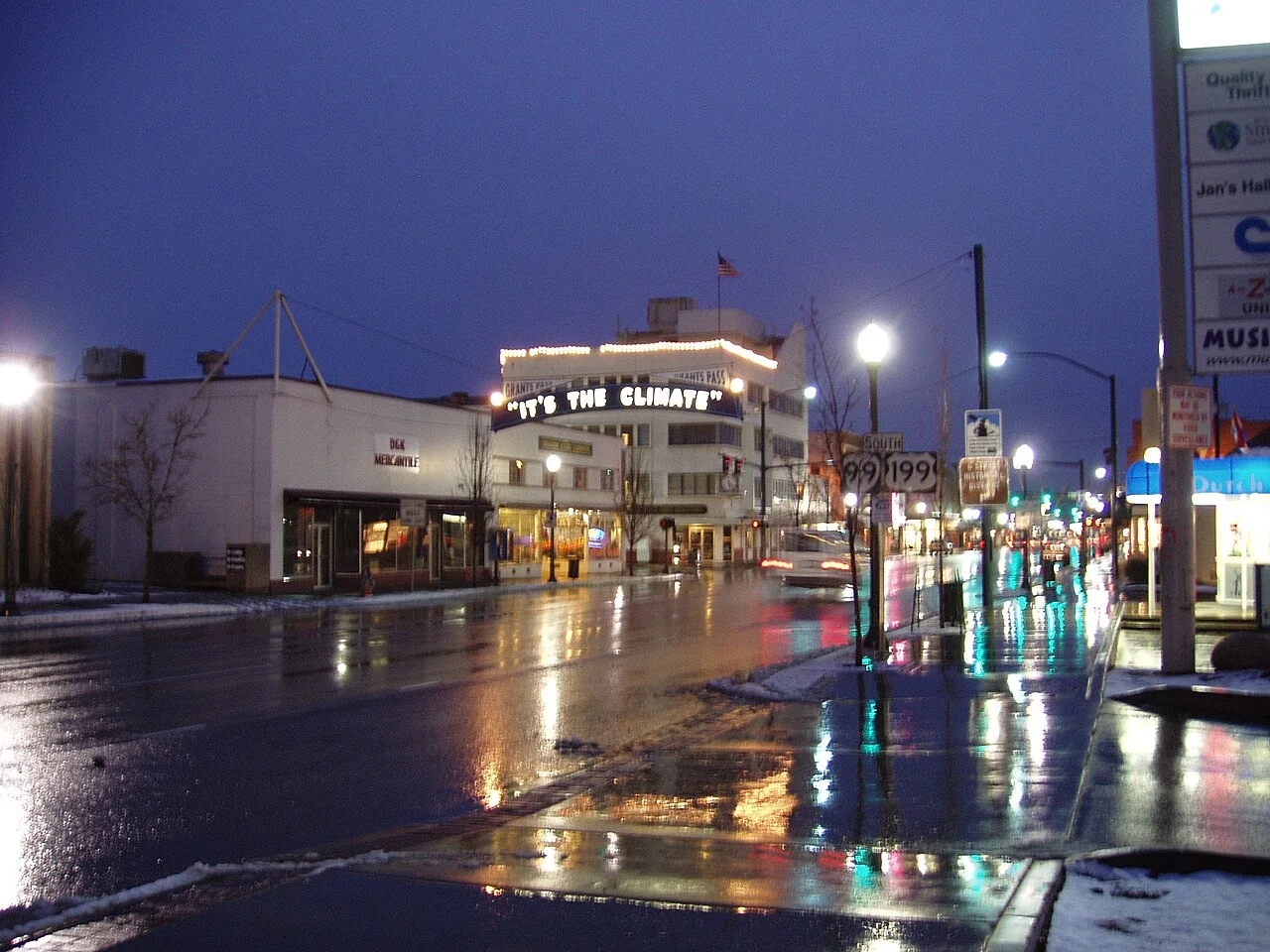

Grants Pass homeowners can face very different wildfire questions within the same mailing area. A house in a developed Rogue River neighborhood, a ridge-top property in northwestern town and a rural residence beyond the city boundary should not be described as interchangeable. The surroundings, access arrangements and responsible agencies need to be identified for the actual address.
If insurance has become difficult, start with that distinction. A complete property description can help a licensed professional understand the home more clearly than a general statement about living near forest. Gather the written reason for the insurance problem, the applicable deadline and evidence of completed repairs. There may be options worth exploring, but they must fit both the residence and the owner's circumstances.
What Starlite Place shows about local preparation
The City of Grants Pass describes Starlite Place as a northwestern neighborhood on a steep ridge, bordered in part by undeveloped forested land. Its published account records a community assessment in July 2015 followed by a Firewise action plan. The city also describes fuel-reduction work on land below the neighborhood.
That historical example matters because the slope beneath a house may be outside the view of a street photograph or ordinary yard inspection. It also demonstrates that adjoining ownership can require coordination. It does not mean every Grants Pass ridge received the same work, or that a past project establishes today's condition. Use the example to ask better questions about your parcel, not to claim an assessment you have never had.
Identify the address, jurisdiction and terrain together
Check whether the house is inside Grants Pass city limits and which fire agency serves it. A postal address does not resolve those questions. City fire-prevention staff and the appropriate county or district office can direct you to the relevant local resources. Use confirmed information when an insurance application asks about protection, water supply or access.
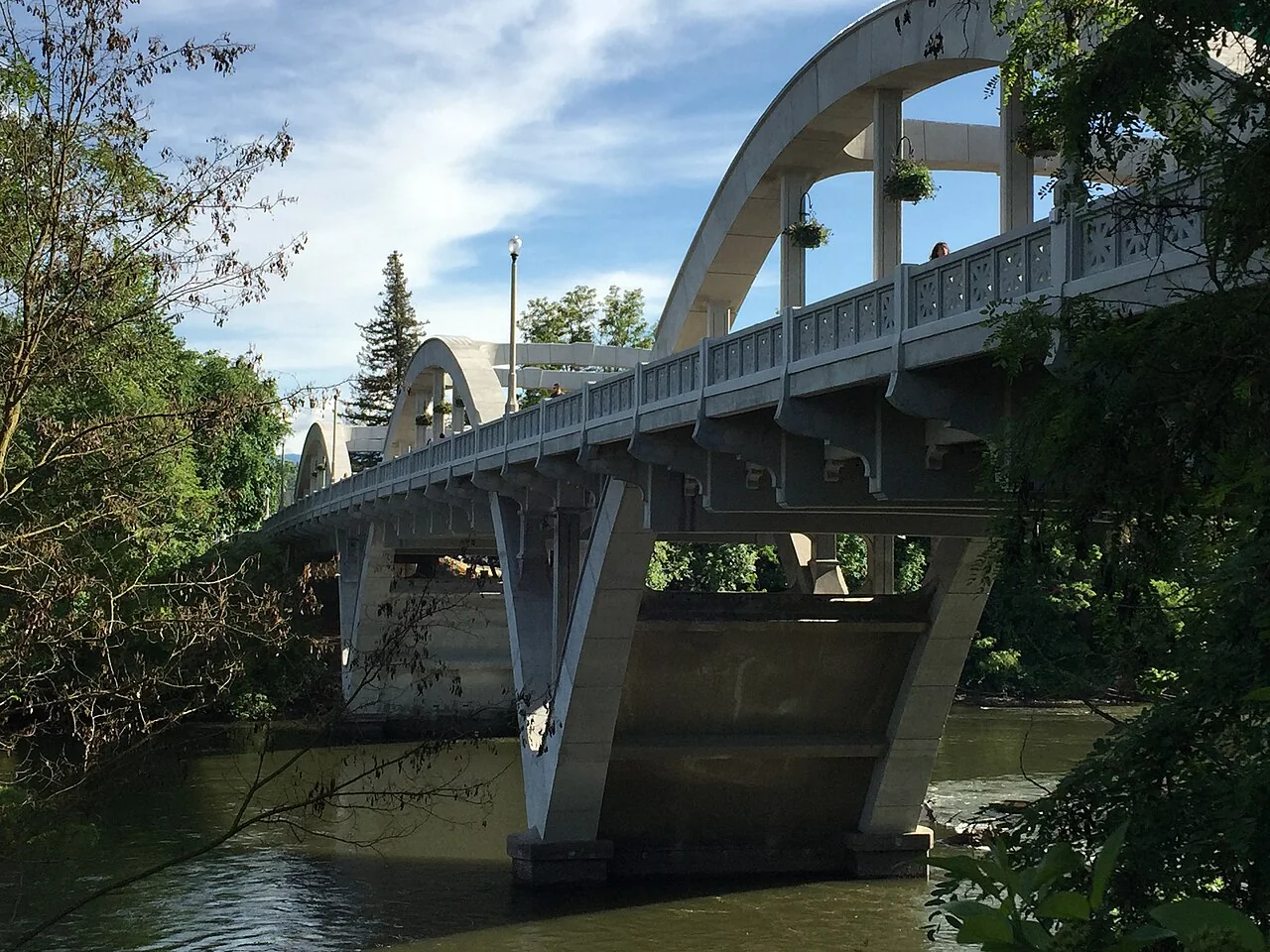
Describe the land in practical terms: whether the home sits above a slope, whether a deck extends over downhill ground and whether the driveway has a gate or shared section. If a river or road lies nearby, explain its location without presenting it as a guaranteed barrier to fire. An insurer needs accurate observations, not an assumed safety rating based on a recognizable landscape feature.
North-side lots and river neighborhoods need different pictures
For a ridge residence, prioritize wide views showing the house and the ground below it. Record areas beneath decks and the transition from maintained landscaping to vegetation beyond the lot. Include retaining walls or stairs where they help explain access. If the slope is too steep to inspect safely, request professional help instead of obtaining photographs at personal risk.
For a flatter developed property, concentrate on neighboring buildings, side yards, detached garages and fence connections. The absence of a steep hillside does not eliminate the need to examine combustible materials close to the house. Keep the presentation specific: the agent should be able to distinguish the backyard from the front, the dwelling from a workshop and completed improvements from proposed work.

Use Grants Pass's prevention resources
The city's Firewise and wildfire-preparedness pages describe household and community preparation, and its Fire Prevention Division links to defensible-space assessment resources. Start there if you need help prioritizing a limited budget or understanding what a trained assessor would evaluate. Ask about current services rather than relying on an old grant announcement or a neighbor's experience several years ago.
Make a short project list after the assessment. Separate recurring maintenance from one-time construction work and from issues involving adjoining land. For example, debris removal can require repeated attention, while a documented roof replacement is a discrete project. A shared-boundary concern may need cooperation before any work can begin. This division keeps a large task from becoming an unmanageable instruction to “clear everything.”
Explain detached buildings and property use
A Grants Pass-area residence may include a workshop, storage building, guest space or acreage used for something beyond ordinary household living. Tell the agent about those features early. Photograph each structure and describe what happens inside it. A garage storing family belongings and a building used for paid work introduce different coverage questions even if their exterior appearance is similar.
If a property is rented, occupied seasonally or undergoing renovation, state that explicitly. Ask how the policy should reflect the period before work is finished and any future change of use. An application that is accurate on the day you submit it should remain accurate when the insurer inspects the premises. Report material changes through the agent rather than assuming the original description still applies.
Compare proposals with the actual home in mind
Ask how each proposal calculates the dwelling amount and treats other structures, belongings and additional living expenses. For hillside construction, provide the building layout and any unusual access constraints that a replacement-cost review should consider. Do not choose a coverage amount merely by copying a real-estate listing or a previous policy that has not been reviewed since alterations.
Review deductibles, conditions and any required improvements in writing. If a quote depends on finished work, clarify the timetable and what evidence is required. The coverage-options guide offers a comparison framework. The goal is to understand what an available policy would do, not simply to obtain a price that looks better on the first page.
Keep a renewal problem from becoming a paperwork problem
Preserve every insurer notice and ask for clarification of anything vague. Provide prior claim details and repair documentation in a consistent format. If a proposed cleanup depends on access to neighboring land, say so rather than promising an unrealistic completion date. Oregon's Division of Financial Regulation has consumer resources when insurance explanations or notices are unclear.
Use the nonrenewal checklist to keep deadlines visible while an agent reviews possibilities. Avoid canceling a current arrangement based on an informal indication of interest from another company. Confirm the terms, effective date and remaining conditions with the professional handling the placement. A careful sequence matters as much as a well-organized photograph folder.
Prepare the household beyond the insurance file
Grants Pass's preparedness resources connect residents with official evacuation information. Consult those authorities for current instructions and practice communication arrangements before an incident. A route that works for an ordinary trip may not be available during an emergency. Account for pets, mobility needs and anyone who might be away from home when an alert arrives.
Store policy records and a home inventory where they remain reachable after you leave. Revisit the property record when landscaping changes, a building is added or a repair is completed. Starlite Place's example is useful because it treats preparation as shared, organized work. Your own plan should be equally concrete, with responsibilities and unfinished tasks clearly identified.
Explore the Oregon guides
Read the Oregon wildfire insurance overview for state resources and questions about available insurance paths.
Common questions
Does the Starlite Place project apply to my Grants Pass house?
Only if the documented work actually concerns your property or adjacent area. The city’s account is a historical example of neighborhood coordination. Ask for current local information and inspect your own surroundings; do not treat that project as citywide certification or an insurance guarantee.
Why does a Grants Pass mailing address need a jurisdiction check?
Postal names and service boundaries do not necessarily match. Confirm the property’s city or county location and responding agency before supplying protection details to an insurer. This also helps you contact the correct office for assessments, vegetation questions or construction requirements.
Can I remove vegetation on the slope below my house?
First establish ownership and any applicable restrictions. Ask the landowner and appropriate local officials how work should be handled. Steep terrain may require a qualified contractor or assessor. Include unresolved access limitations honestly in an insurance conversation rather than promising unauthorized work.
What should I submit for a detached shop?
Provide photographs, dimensions, construction details and its actual use. Identify business equipment, guest occupancy or rental activity if present. Ask where the building and its contents appear in the proposed coverage, because a label such as “shop” does not explain all of those details.
Sources and further reading
- City of Grants Pass: Starlite Place Firewise history and terrain
- City of Grants Pass: wildfire preparedness
- City of Grants Pass: Fire Prevention Division
- Oregon State Fire Marshal: defensible-space assessments
- Oregon Division of Financial Regulation: home insurance assistance
Program rules and insurance terms can change. Check the linked agency or program before relying on eligibility, coverage, or local requirements.
General educational information. This website does not issue policies, bind coverage, or provide emergency alerts. Coverage and eligibility require individual review.