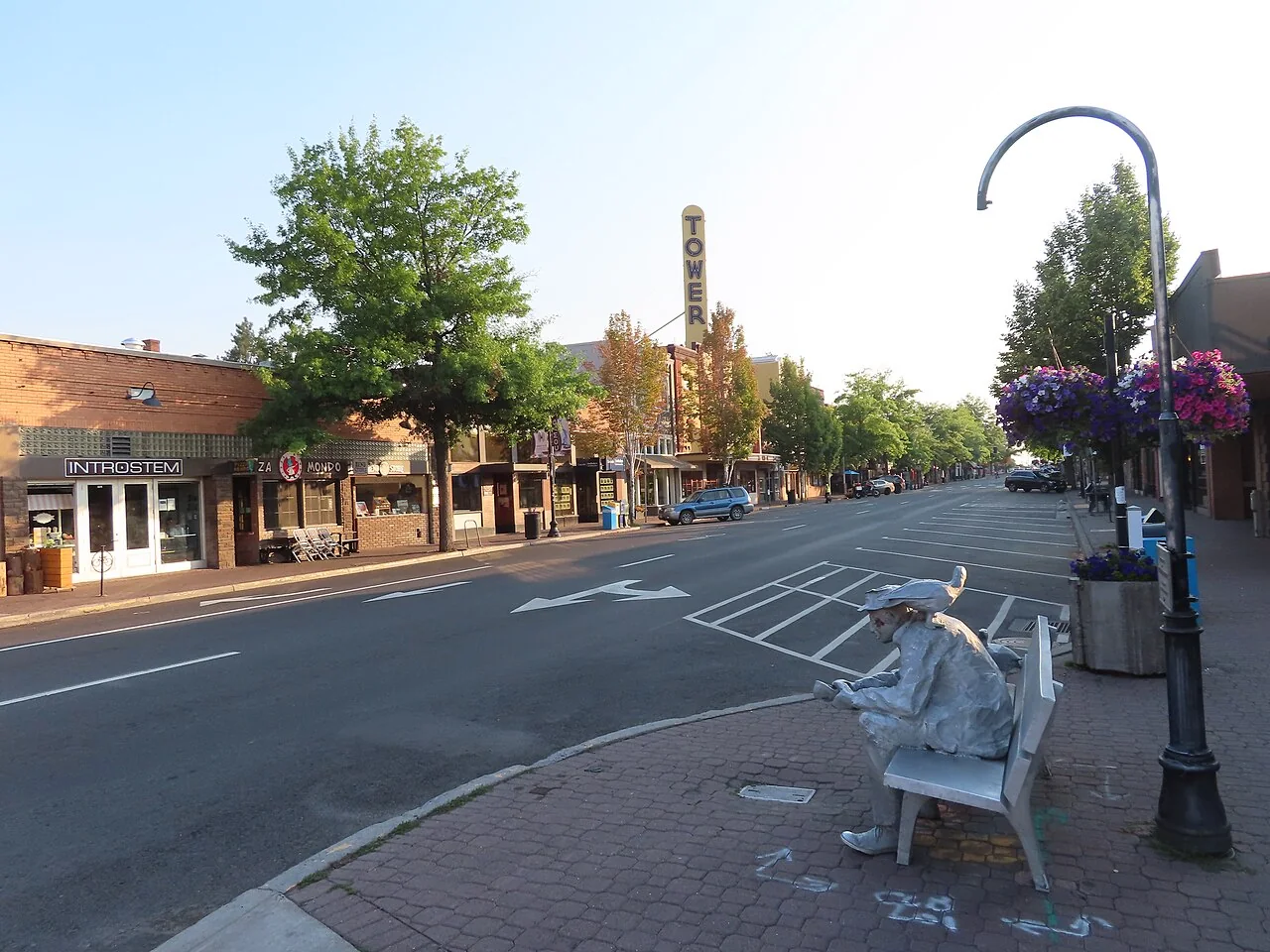

Bend's outdoor setting is part of its appeal, but a house near the forest and a house on an open subdivision lot tell different insurance stories. Ponderosa needles, ornamental beds, decks and adjoining fences can matter alongside the broader landscape. If a renewal becomes difficult, a clear account of your particular property gives a licensed professional something useful to evaluate beyond the city name.
Think of the review as two connected projects: reducing opportunities for ignition and accurately describing what you own. Neither a mountain view nor a well-maintained lawn settles eligibility. The goal is to identify the details that deserve attention, gather evidence of completed work and compare available coverage on its actual terms.
Begin with Bend's first-five-feet approach
Bend Fire & Rescue's Own Your Zone program puts special emphasis on the area immediately beside a home. Its guidance addresses debris on roofs, needles beneath decks, combustible ground cover and visible addresses. This is a practical starting point for homeowners who cannot undertake a large landscaping project at once. Walk the perimeter before deciding that the distant tree line is your only concern.
On a pine-covered lot, look for places where needles collect repeatedly rather than treating one spring cleanup as permanent. Where a paved patio meets siding, check the planter, doormat and stacked supplies against the wall. On a newer compact lot, inspect the fence connection and narrow side yard. These examples are observation prompts, not a finding that every Bend property has the same defects.
Compare the forest side with the high-desert side
Around the western approaches toward the Deschutes National Forest, describe tree spacing, low vegetation and the relationship between a slope and the building. On more open ground, document dry vegetation, yard boundaries and storage instead of submitting only a distant mountain photograph. A reviewer needs to understand the house's surroundings in every direction, including the back edge that street imagery may miss.
Awbrey Butte illustrates why elevation and address should be considered separately. A driveway climbing to a house, the area below an elevated deck and the next property downhill may require different photographs. Avoid labeling an entire neighborhood safe or unsafe. Record what is actually present, who controls the adjacent land and which recommendations require a trained assessor's judgment.
Use FireFree to turn cleanup into a finished task
Deschutes County's FireFree program connects local education with seasonal yard-debris collection. The county lists accepted materials, collection locations and event dates, including opportunities at Knott Landfill in Bend. Check the current schedule before loading a trailer; a past spring event is not an open-ended disposal offer. Separate vegetation from construction debris because acceptance rules distinguish them.
Build disposal into the project from the beginning. A large pile of cut branches left next to the house is unfinished work, even if the shrubs have been trimmed. Photograph the area after material has been removed, retain the contractor's description and note when follow-up maintenance will happen. Shared hauling with neighbors can make a small-lot project more manageable without requiring everyone to redesign their yards together.


Prepare the photographs an agent can use
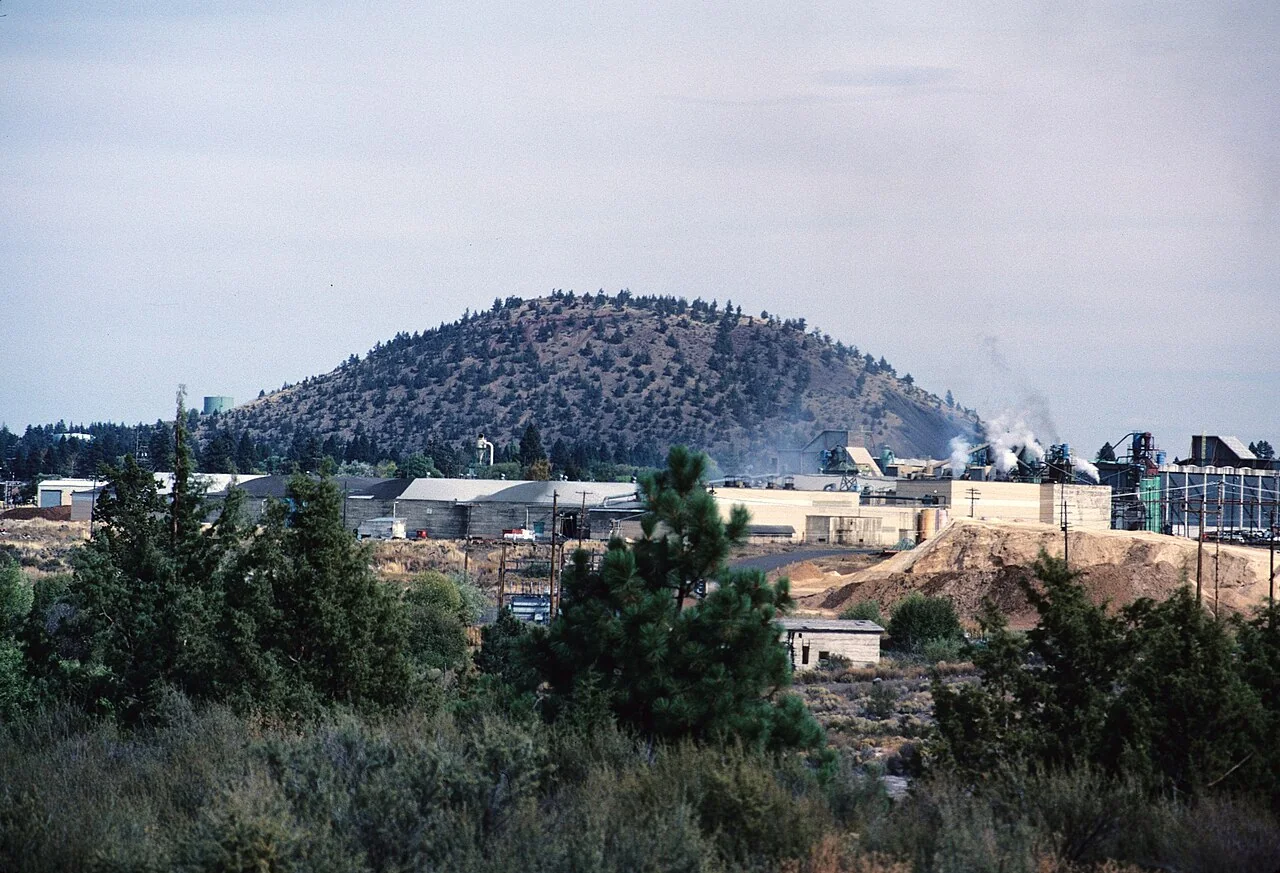
A scenic picture establishes that this is Bend. Your insurance file needs another kind of photography: a dated record of the actual structure. Include the front, rear and both sides, then add closer images of roof edges, vents, decking and any detached building. Pair each improvement close-up with a wider view so its location is understandable.
For a sloped property, show the downhill side from a safe accessible location. For a home with a long driveway, document the entrance, readable address and any gate. If the property is outside city limits, identify the responsible fire agency rather than assuming a Bend mailing address means municipal service. Ask that agency how to describe access or water supply accurately; do not estimate a response time for an application.
Check occupancy and reconstruction details
Some Bend properties combine a primary residence with a detached studio, accessory dwelling, seasonal use or rental activity. Explain the arrangement before requesting quotes. A finished backyard building used for guests presents a different question from a shed holding garden equipment. Provide dimensions, construction information and the actual use so the agent can identify the appropriate coverage discussion.
Ask how the dwelling estimate handles your home's specific materials and layout. A sale price includes factors beyond the cost to rebuild a structure. For a house with extensive decking, custom finishes or a detached garage, request an explanation of where those features appear in the estimate. Also ask about personal property, temporary housing after a covered loss, deductibles and conditions attached to any proposal.
Handle a difficult renewal in an orderly way
Keep the insurer's written notice with the current declarations page, and record the deadline before arranging improvements. Ask the agent which concerns are property-specific and what evidence would support reconsideration. If a contractor cannot finish until after the requested date, explain that promptly rather than describing planned work as complete. Different insurers may assess the same submission differently.
Oregon's Division of Financial Regulation provides wildfire insurance resources and consumer assistance. Consult its current guidance if a notice is unclear or you have questions about the reason given. Meanwhile, use the site's nonrenewal guide to organize documents and the coverage-options guide to structure comparisons. A setback with one company does not establish that every possible path has closed.
Separate emergency readiness from insurance paperwork
Bend publishes wildfire-preparedness and evacuation guidance. Use those official resources for alert information and current instructions. Century Drive, Skyliners Road and neighborhood connections are geographic reference points, not guaranteed escape routes. Agree on how household members will communicate and account for pets before smoke or an evacuation notice disrupts normal routines.
Store policy documents and the home inventory where you can access them away from the property. Review the yard again after seasonal debris accumulates and after any remodeling changes the exterior. Small recurring checks help keep the property record truthful and useful. They also make the next insurance conversation easier because you can show what changed, when it changed and what still needs professional attention.
Explore the Oregon guides
Read the Oregon wildfire insurance overview for state resources and questions about available insurance paths.
Common questions
Is a home on Bend’s east side automatically easier to insure?
No neighborhood label determines an offer. Open high-desert surroundings call for a different property description than a forest-edge lot, but construction, adjacent fuels, use and insurer requirements still need review. Ask for an assessment of your address instead of relying on a broad east-versus-west assumption.
Does participating in FireFree guarantee a discount?
No. FireFree helps residents manage vegetation and disposal. Keep evidence of the cleanup, then ask the specific insurer whether it recognizes that work, requires an inspection or offers any applicable credit. Community participation and a company’s underwriting decision are separate matters.
What should I photograph around an Awbrey Butte deck?
Show the deck surface, the space underneath and its relationship to the slope and vegetation. Include a wider view from a safe location, plus completed repair records if relevant. Do not climb steep terrain or a roof merely to obtain an insurance photograph.
Where can I start if I cannot afford a full landscape overhaul?
Begin by asking Bend Fire & Rescue about an assessment and priority actions. Check FireFree disposal information, identify recurring debris near the building and request a staged plan. An agent can explain whether any insurer requirement has a deadline that affects that sequence.
Sources and further reading
- Bend Fire & Rescue: Own Your Zone
- Deschutes County: FireFree collection and materials
- City of Bend: wildfire preparedness and evacuation guidance
- Oregon Division of Financial Regulation: wildfire insurance resources
Program rules and insurance terms can change. Check the linked agency or program before relying on eligibility, coverage, or local requirements.
General educational information. This website does not issue policies, bind coverage, or provide emergency alerts. Coverage and eligibility require individual review.