.jpg)
.jpg#Licensing)
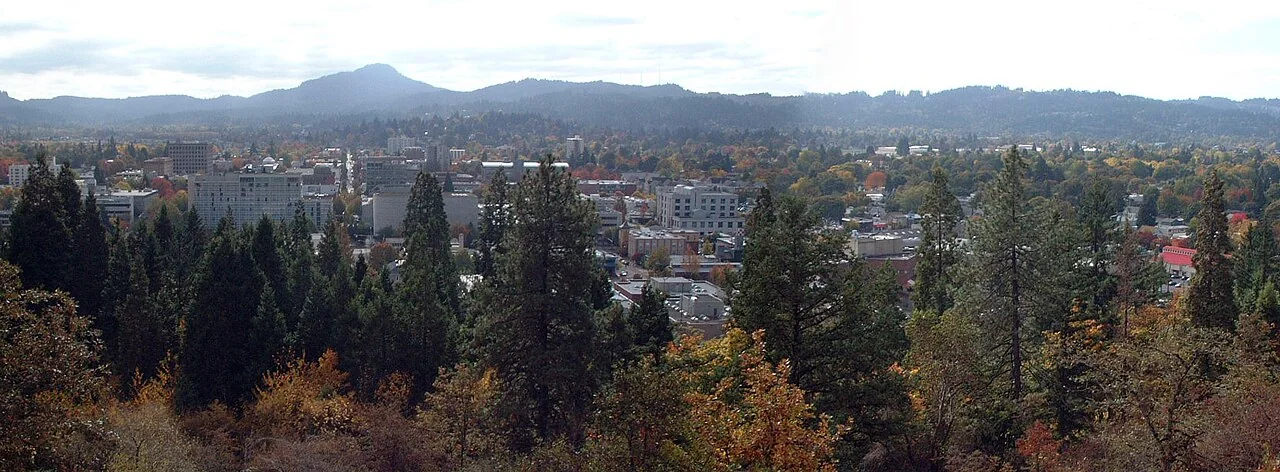
Eugene's South Hills and eastern edge should not be reduced to a single picture of a wet, tree-covered city. The City of Eugene identifies the South Hills as a principal local wildfire interface, where forest meets homes and infrastructure. Farther east, Moon Mountain includes prairie, oak woodland and conifer forest. These settings produce different questions about the ground surrounding a house.
For an insurance review, begin with the parcel rather than the regional stereotype. Document the slope, adjoining ownership, exterior construction and property use. A homeowner receiving an unexpected nonrenewal can then give a licensed professional a coherent record. The purpose is to investigate available options and improve understanding, not to assign a homemade risk score to an entire neighborhood.
The Ridgeline is more than a scenic backdrop
Eugene's Ridgeline system forms a chain of parklands along the city's southern edge. Houses adjoining that landscape may sit beside forest, open habitat or other private parcels. Determine which boundary actually applies to your home. A view toward Spencer Butte does not establish that the property touches public land, and a nearby trail does not automatically provide emergency vehicle access.
Walk the accessible perimeter and note where maintained yard becomes unmanaged vegetation. If the land is city-owned, direct questions to the appropriate parks or fire staff. Avoid extending yard work into protected habitat or another owner's property without permission. For an agent, a clearly labeled photograph of the boundary is more informative than a broad statement that the house is “near the Ridgeline.”
Moon Mountain provides a specific eastern-edge lesson
The city's Moon Mountain Park page records a July 2023 wildfire, with most of the burned area in upland prairie. It describes the park's mix of grasses, oak woodland and conifers. That historical example shows why a wildfire discussion here cannot focus exclusively on dense forest. Low vegetation and open slopes also belong in a property assessment.
The same city page notes that utility easements cross private property and are not freely available for public access. Do not assume that a visible cleared corridor is a legal shortcut or planned evacuation route. If your home is near Moon Mountain or Laurel Hill Valley, ask local authorities about household evacuation planning and use the actual street network and current instructions.
Request an assessment before choosing a large project
Eugene Springfield Fire provides a request process for defensible-space assessments. Its preparedness page also presents the metropolitan Community Wildfire Protection Plan materials; the versions reviewed in September 2026 were labeled drafts. Use the page to find current resources, and distinguish planning proposals from adopted requirements when discussing a construction or landscaping decision.
An assessment can help separate immediate housekeeping from work requiring an arborist, contractor or landowner agreement. Ask the assessor to explain the relationship between the house and the slope, not merely which plants are present. If funds are limited, request priorities and retain the written recommendations. An insurer's requested conditions still need their own clarification through the licensed agent.

South Hills homes need rear-elevation documentation
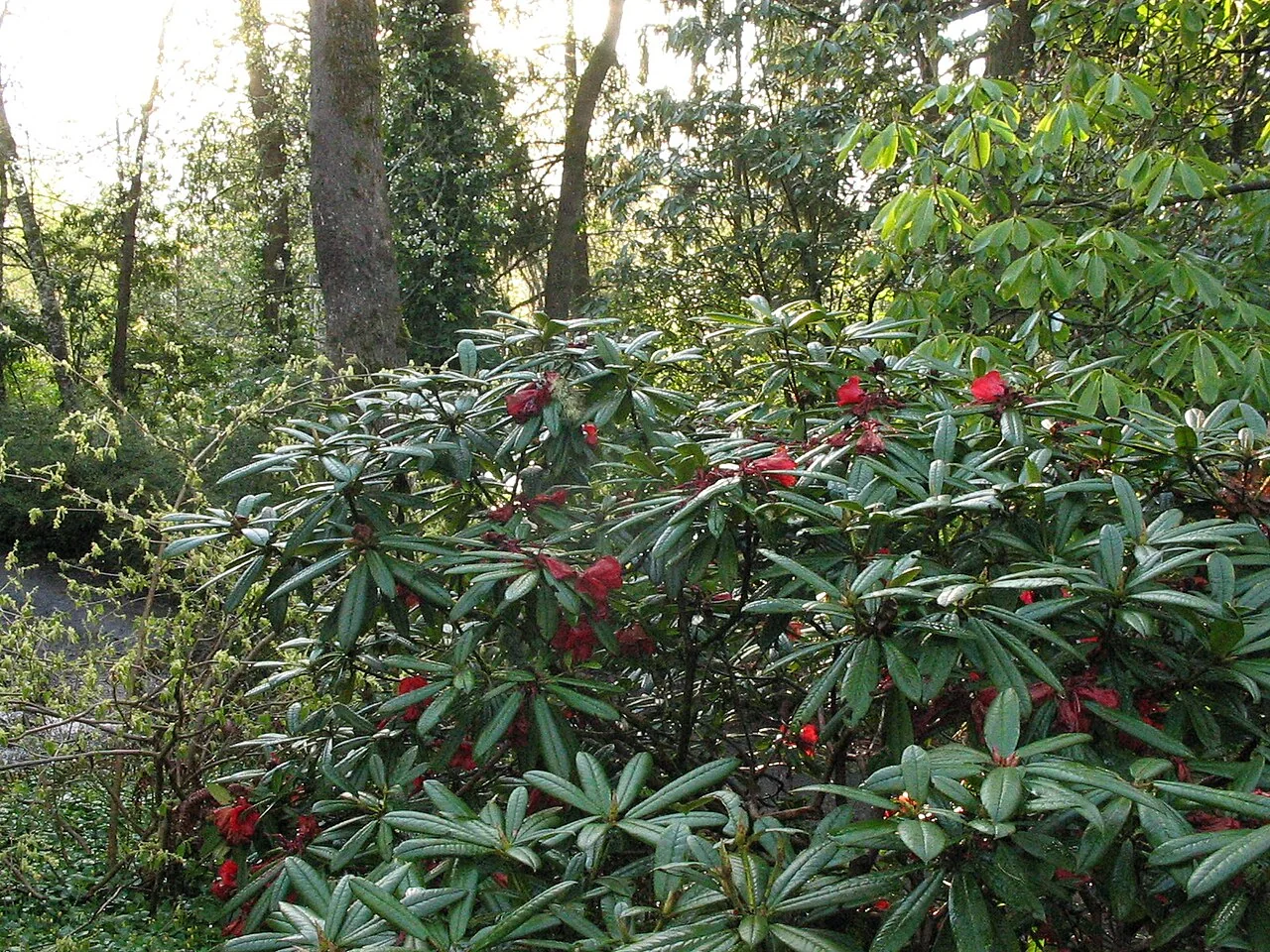
A driveway photograph can conceal the downhill side of a South Hills residence. An elevated deck, crawlspace opening, accumulated leaves or vegetation under the structure may be more visible from the rear. Photograph those features only from safe accessible ground. Ask for professional assistance if the terrain prevents a useful view without climbing or entering neighboring property.
For a shaded wooded lot, record recurring debris locations and the maintenance plan. For an eastern open-slope property, show the transition from the residence to grasses and shrubs. Include nearby detached structures in either setting. These are different ways to describe local conditions, not assertions that every South Hills house or every eastern neighborhood has identical hazards.
Older construction deserves a precise replacement discussion
Some homeowners know the market value of their Eugene house but have never examined the reconstruction description used for insurance. Ask the agent whether additions, unusual layouts, decks and detached buildings appear correctly. If you have replaced a roof or enclosed a porch, provide the invoice or construction records rather than relying on an old aerial image.
Review the amount and type of protection for the dwelling, other structures, personal belongings and temporary living expenses. Identify any accessory dwelling or space rented to someone else. A residence used solely by its owner and one containing rental occupancy can create different questions. Disclosing the arrangement early gives the professional an opportunity to identify the appropriate form of coverage.
Build a clear record of maintenance and repairs
Use dated photographs from repeatable positions. Keep exterior work separate from household claims documents so the agent can find both quickly. For a past loss, record the date, cause, repair status and supporting receipts. For a mitigation project, describe what was installed or removed and who did it. Label an estimate as planned work until it is actually complete.
For shared-boundary issues, include what you control and what remains under another owner's authority. A neighbor's woodland or city park cannot be described as your cleared defensible space merely because it is nearby. Ask the agent how the insurer evaluates that circumstance. The defensible-space guide provides a framework for these questions without replacing a local assessment.
Keep deadlines separate from emergency instructions
If you receive a nonrenewal, preserve the notice and determine the effective date before gathering quotes. Request a clear explanation of the concerns and ask what information could support another review. Oregon's Division of Financial Regulation offers home-insurance assistance when the explanation is incomplete or you have questions about the notice. Your nonrenewal action list should track the insurance deadline explicitly.
An evacuation alert creates a different set of obligations. Eugene publishes evacuation-zone resources and household preparedness guidance. Look up your zone in advance, share it with household members and keep current official instructions available. A parks map, recreation trail or insurance article cannot tell you which route is open during a fire.
A manageable plan for this part of Eugene
Begin with one assessment, one accurate photograph set and one organized policy discussion. Update the record after a project changes the building or adjoining vegetation. Recheck leaf and needle accumulation through the year, especially where the roof or deck design creates collection points. This makes preparation a repeatable household task rather than a rushed response to a renewal letter.
A difficult insurance search can feel at odds with living in a familiar, established neighborhood. The city's own resources show that wildfire planning belongs in this landscape. Using them carefully gives you specific local questions to ask and helps a licensed professional evaluate the house as it exists today, with the limitations and improvements clearly described.
Explore the Oregon guides
Read the Oregon wildfire insurance overview for state resources and questions about available insurance paths.
Common questions
Why include prairie in an article about Eugene’s South Hills?
The eastern edge has a different habitat mix from a heavily wooded hillside. Eugene documents a 2023 fire at Moon Mountain that primarily affected upland prairie. It is a local reminder to assess grasses and low vegetation as well as trees, without assuming the same conditions at every address.
Are Ridgeline trails evacuation routes?
Do not assume that they are. Recreation access, maintenance access and authorized emergency routes are different things. Use Eugene’s official evacuation information for your household plan and follow current instructions during an incident. Respect private property and closed gates when reviewing nearby open space.
Can Eugene Springfield Fire assess my yard?
The department publishes a process to request a defensible-space assessment. Check its current page for service details and submit the address accurately. Ask for priorities suited to your terrain and ownership boundaries, then discuss any separate insurer requirements with your agent.
Does a draft community plan create a new insurance requirement?
A draft planning document is not itself a company’s underwriting rule. Confirm the status of any city requirement with the responsible office. Ask the insurer what it specifically requires for your residence and whether documentation of completed improvements would help its review.
Sources and further reading
- City of Eugene: local hazard information
- City of Eugene: Ridgeline Trail System
- City of Eugene: Moon Mountain Park and July 2023 wildfire
- Eugene Springfield Fire: assessments and CWPP resources
- City of Eugene: emergency evacuation resources
- Oregon Division of Financial Regulation: home insurance assistance
Program rules and insurance terms can change. Check the linked agency or program before relying on eligibility, coverage, or local requirements.
General educational information. This website does not issue policies, bind coverage, or provide emergency alerts. Coverage and eligibility require individual review.