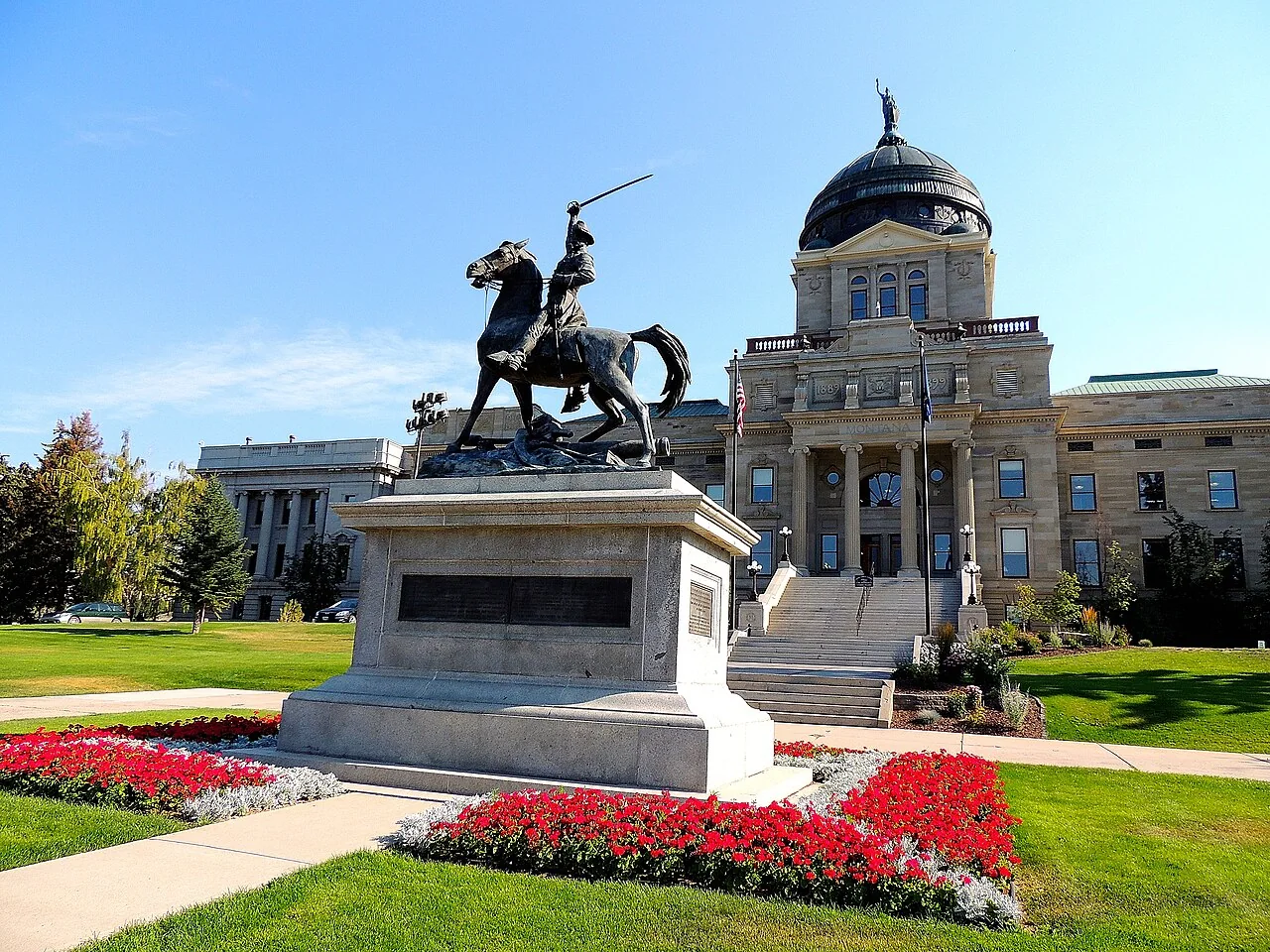

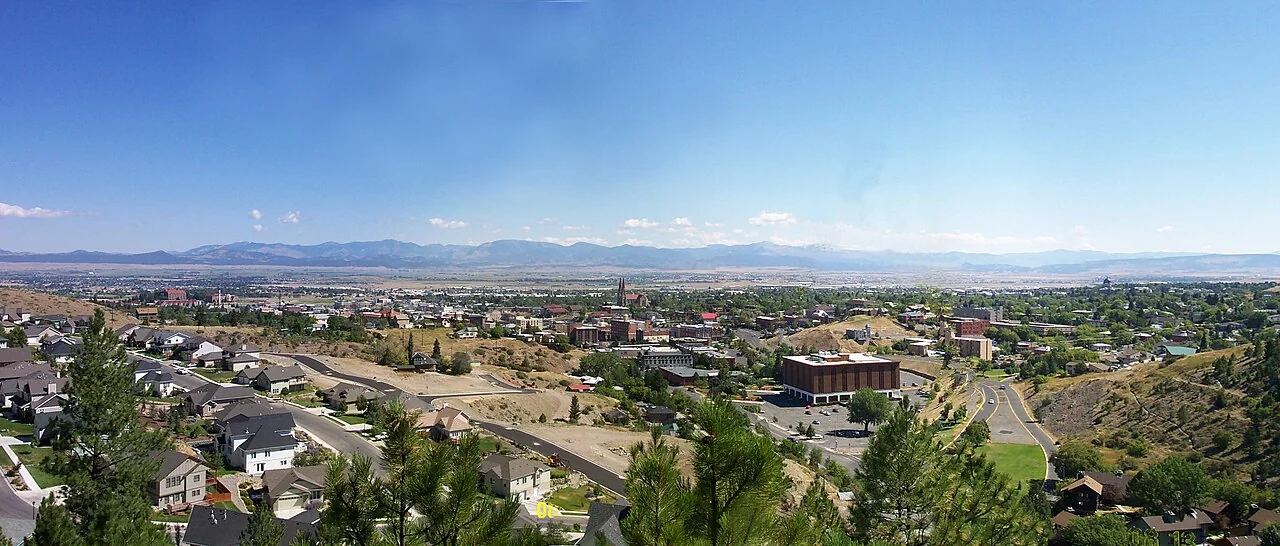
In Helena, public open land is part of the city’s everyday setting. Mount Helena and Mount Ascension are not distant names on a regional map; they help explain why a homeowner’s backyard, nearby trails and the surrounding landscape belong in the same conversation. Yet a house beside open land should not be described identically to a developed lot farther into the city.
If your insurance has become difficult, begin with a clear description of that setting and the company’s written concern. A specialist can evaluate potential next steps when the property file explains the building, surrounding vegetation and completed work. General reassurance about Helena, or general alarm about a mountain nearby, supplies too little information.
Understand what the city is doing on its open lands
Helena’s Open Lands and Trails page identifies fuel-reduction work on Mount Helena and Mount Ascension. The city has also published notices explaining prescribed pile burning associated with its open-land management. These are useful examples of a local agency addressing landscape conditions over time.
For an adjacent homeowner, the right question is how a particular project relates to the property boundary. Ask the city about the project’s location and status rather than assuming that any treatment on the mountain protects every nearby house. Save an official project reference if relevant to the insurance discussion, but keep it distinct from work completed on your own parcel.
Begin at the house, then look outward
A beautiful hillside view can distract from smaller features that deserve attention. Inspect roof edges, wall attachments, the space beneath a deck and stored materials against the building. Then look at how the yard meets a slope, trail corridor or neighboring lot. Photograph the whole sequence so an assessor can understand the connections.
For a compact Helena property, a fence or detached shed may be more useful to show than a distant ridge. For a hillside property, include slope below the house and any elevated outdoor area. These observations should lead to a professional assessment and priorities, not to a claim that the homeowner has diagnosed fire behavior from a few photographs.
Respect the boundary between private yards and city land
A homeowner who backs onto open space may want to improve the area beyond the fence. Confirm ownership and authorization first. The fact that a tree or shrub is near the house does not establish permission to cut it, and trail access does not make adjacent land part of the residential parcel.
Ask local professionals how to coordinate work on your side of the boundary with public-land management. Where neighbors share concerns, discuss a joint approach without treating informal agreement as a permit. Keep dated photographs and contractor records for completed private work. Our defensible-space guide provides questions to take into that conversation.

Use Helena’s emergency map correctly
The city’s public-safety page directs residents to an evacuation map and wildfire-safety education. Review the current official material before an emergency, then build a household plan around where you live and who may need help. Keep a printed or otherwise accessible copy of important contact information in case a phone is unavailable.
A map used for advance preparation cannot predict every incident. Road conditions and directions can change. A favorite trail or apparent shortcut is not automatically appropriate for leaving with a family, pets or a trailer. During a fire, follow current authorities rather than an insurance guide, an old screenshot or a neighbor’s recollection.
Document older construction and later improvements
Where a Helena house has an older original section and newer additions, describe both. Provide roof information and records for heating, electrical and exterior changes. Include porches, attached storage and detached buildings. A clear building history helps an agent avoid relying on incomplete property records or a photograph that predates the renovation.
Explain occupancy as carefully as construction. Mention a rented apartment, guest space or business use if present. Do not let the wildfire issue narrow the conversation so far that these facts disappear. A suitable policy review addresses the entire risk being submitted, including the way the property is actually used.
Evaluate the amount and terms of coverage
Ask how the proposed dwelling limit was calculated and whether the description includes the current materials and finishes. Montana’s insurance regulator emphasizes replacement cost rather than simply purchase price or the loan balance. For a house with distinctive older features, ask which assumptions were used to estimate reconstruction.
Review the deductible, roof settlement, additional living expenses and separate structures with the licensed professional. Discuss how smoke, evacuation or damage to a detached workshop would be evaluated. Keep those answers tied to the proposed policy wording. Our options guide supports comparison, but cannot replace the terms of the individual contract.
Use public-project notices without overstating them
Helena’s prescribed-burning announcements have a specific purpose: explaining planned management activity on city land. Keep the announcement date and named project area with any copy you save. Do not use an old notice to decide whether smoke today comes from an authorized operation or whether a restriction remains active.
For an insurance review, a short note identifying the relevant public project is usually clearer than attaching unrelated announcements from several years. Add a separate statement about your own roof, yard and exterior work. This preserves the distinction between what the city reported, what you completed and what an insurer still needs to evaluate at the house.
Respond to a renewal notice with evidence
Put the notice and its exact termination date at the front of the file. Add the current policy, claim records and completed-repair documentation. If the carrier’s concern relates to an outdated feature, identify the discrepancy specifically and attach the relevant evidence. Broad statements that the home is well cared for are less useful than clear details.
Use our nonrenewal guide to keep the search organized and allow time for potential inspections. Ask whether proposed improvements can be considered before spending solely for an expected insurance result. Mitigation is worthwhile preparation, but neither a city project nor a private improvement guarantees availability, a particular premium or protection from every fire.
Explore the Montana guides
Read the Montana wildfire insurance overview for state resources and questions about available insurance paths.
Common questions
Does work on Mount Helena or Mount Ascension mean my home is protected?
City fuel-reduction work is relevant local context, but it does not remove the need to examine your own house and yard. Confirm where a project occurred and what it involved. Document private improvements separately, and avoid presenting nearby public work as a guarantee of either safety or insurance acceptance.
Can I remove vegetation beyond my fence on Helena open land?
Do not assume permission. Confirm the boundary and contact the agency or owner responsible before undertaking work. Ask how your own maintenance can coordinate with the public project. Preserve any written authorization and contractor records where appropriate so the scope of completed work remains clear.
What should I do with the city evacuation map?
Use current official material for advance household planning and identify where updated emergency instructions will appear. Discuss assistance needs and communication before fire weather becomes urgent. During an incident, directions can change, so a saved map should not override instructions from emergency authorities.
How should an older Helena house be described to an insurance agent?
Explain original construction, additions and documented upgrades, including the roof and attached features. Identify distinctive materials and actual occupancy. Ask whether the replacement-cost estimate captures the present building. Historic appearance alone does not tell a reviewer the age or condition of the systems inside.
Sources and further reading
- City of Helena: open lands and fuel-reduction work
- City of Helena: public safety and evacuation map
- City of Helena: fire prevention and wildfire safety
- City of Helena: prescribed-burning information
- Montana insurance regulator: underinsurance
Program rules and insurance terms can change. Check the linked agency or program before relying on eligibility, coverage, or local requirements.
General educational information. This website does not issue policies, bind coverage, or provide emergency alerts. Coverage and eligibility require individual review.