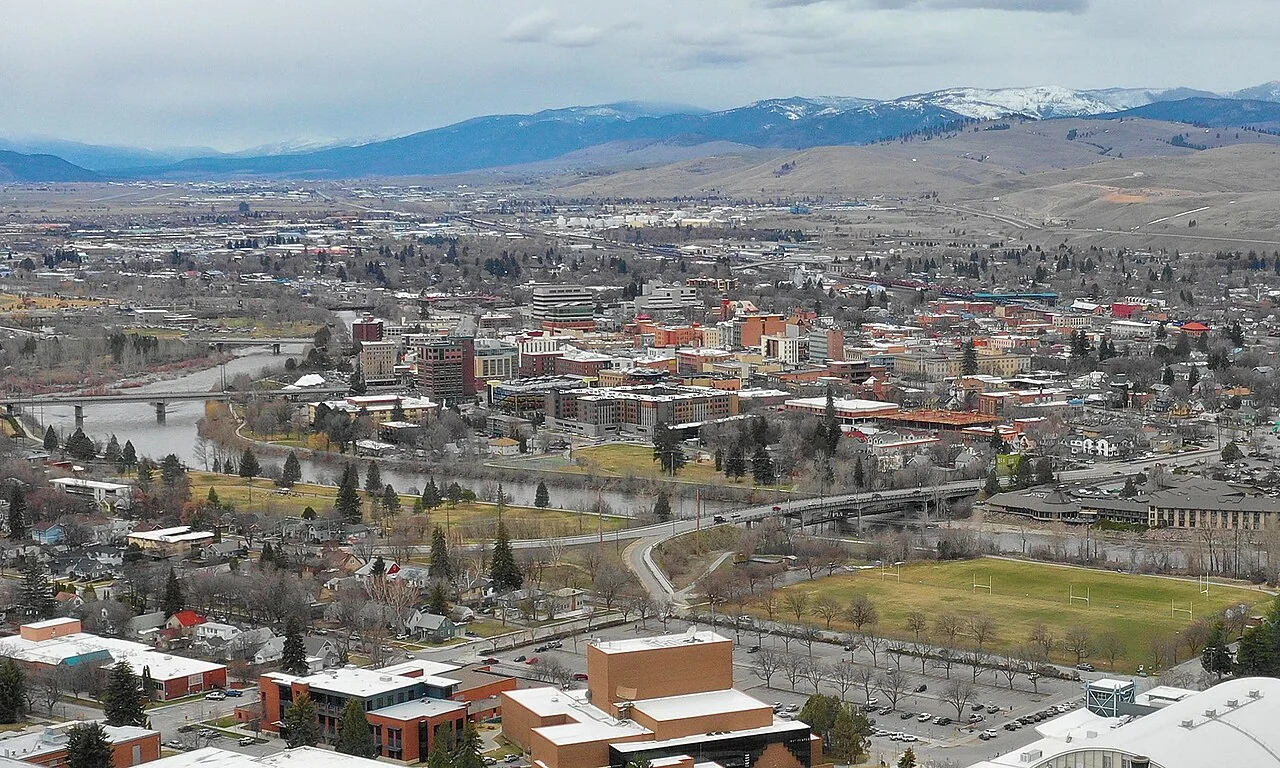

Montana homes sit among open valley grasslands, forested foothills and mountain terrain. That variety makes a property-specific conversation more useful than assuming one statewide wildfire label describes every house. Start with the written insurance concern, then connect the building's condition and surroundings with the questions a licensed agent needs to address. A nonrenewal can be unsettling, but a clear record helps make the next conversation productive.
Explore private-market policies with accurate information
Work with a licensed agent on available private-market options, including other markets the agent can approach if a current company will not continue coverage. Ask why an application was declined and what information may help another review. Do not assume all companies use identical eligibility rules or that a different company will automatically accept the property.
The Montana Commissioner of Securities and Insurance, or CSI, provides homeowners guidance and consumer help. Contact CSI to confirm the current status of any state fallback program and to ask about a coverage or nonrenewal problem. Ask a licensed professional to identify available options for your address and explain their conditions.
Five Montana areas to consider locally
The descriptions below identify broad landscape differences. A specific driveway, building, neighboring structure or vegetation pattern needs its own assessment.
| City / area | Why wildfire / brushfire exposure varies | State FAIR Plan? |
|---|---|---|
| Missoula | Mountain-valley grass, ponderosa forest and canyon terrain. Conditions vary by property, vegetation, slope and nearby structures. | Check current status with Montana CSI. |
| Bozeman | Gallatin Valley grassland and forested mountain foothills. Conditions vary by property, vegetation, slope and nearby structures. | Check current status with Montana CSI. |
| Helena | Dry foothill grass, ponderosa forest and rocky ridges. Conditions vary by property, vegetation, slope and nearby structures. | Check current status with Montana CSI. |
| Kalispell | Flathead Valley grassland, forested foothills and lakeshore development. Conditions vary by property, vegetation, slope and nearby structures. | Check current status with Montana CSI. |
| Whitefish | Whitefish Lake, mixed-conifer hills and mountain resort terrain. Conditions vary by property, vegetation, slope and nearby structures. | Check current status with Montana CSI. |
Pay particular attention to rebuilding and valuation
Montana CSI explains the distinction between replacement-cost and actual-cash-value coverage. When comparing quotes, ask how that distinction affects the dwelling, roof and belongings. Review any depreciation provisions and the conditions for receiving replacement-cost benefits. A policy's headline dwelling limit does not by itself explain how every part of a claim would be settled.
Ask for a reconstruction estimate that reflects the home's features and updates. The market value of the property includes factors that differ from rebuilding the structure. Discuss any detached garage, workshop or other outbuilding, and describe its use accurately. If you use the home seasonally or rent it to others, disclose that before comparing policy forms.
- Request an explanation of wildfire, smoke, exclusions and applicable deductibles.
- Compare personal property, liability and additional living expense or loss-of-use coverage separately.
- Ask about rebuilding-code costs, debris removal and any relevant sublimits.
- If several policies are proposed, compare the entire arrangement, including combined costs and gaps.
Organize the response to nonrenewal
Keep the current declarations and the full notice together. Record the insurer's reason and the date coverage is scheduled to end. Ask whether the decision rests on information that can be corrected or on work that the insurer will consider reviewing. Do not assume that requesting reconsideration extends the current policy.
Prepare dated exterior photographs, roof information, prior claim details and proof of completed repairs. Send sensitive records through the licensed professional's approved channel. Ask which markets are being approached, what documents are missing and what conditions remain before any new policy can take effect. Arrange the timing with the agent and obtain written evidence of the replacement coverage.
For uncertainty about a notice or insurer response, seek help from Montana CSI. Keep your communications and documents so the question can be explained clearly. The nonrenewal guide offers a general checklist for tracking this process without relying on an assumed statewide deadline.
Use Montana community planning as local context
Montana DNRC preparedness resources connect work around the home ignition zone with household preparation. DNRC also provides Community Wildfire Protection Plan resources. A local plan can help explain shared priorities and where to ask about community projects; it does not replace a home assessment or provide a policy decision.
Ask a local fire or forestry professional how the recommendations apply to your terrain and building. Save photographs before and after completed work and retain invoices or written assessment notes. Then ask the insurer what information is relevant to its review. A community designation, risk score or completed project does not guarantee an offer, discount or renewal.
You do not need a perfect packet to begin asking questions. Start with the notice and a concise description of the home, then use the coverage-options guide to organize the comparison with a licensed specialist.
Explain whether the home meets timber, grassland, or both
Montana's landscapes make a single statewide description insufficient for an insurance submission. A home near wooded slopes and a home on an open grassland parcel may require different maintenance conversations. Ask an assessor to explain the conditions near the building and the route by which combustible materials could connect to it.
Record the position of garages, workshops, wood storage, fences, and vegetation on a simple sketch. The sketch is an organizing tool, not an engineered plan or wildfire prediction. Pair it with current photographs so a licensed professional can understand which structures and uses are being discussed.
Coordinate rural property details and renewal records
For a property outside a city's developed center, identify the relevant fire district and ask it about available assessments or preparedness information. Verify service and access questions directly instead of estimating them from a map or a neighboring property's experience. An insurance application should accurately reflect the information requested.
If you receive an insurer's property-correction request, keep the written instructions with the local assessment. Ask whether the two documents are addressing the same concern. A contractor invoice can show work performed without establishing that every underwriting condition has been accepted.
Discuss seasonal occupancy, rental activity, home businesses, or substantial detached buildings if they apply. These details can matter to the type of insurance being considered and should not be left out because the conversation began with wildfire. Keep supporting descriptions consistent across the application and any later inspection.
When a policy is being replaced, ask for a written comparison of dwelling valuation, wildfire terms, contents, liability, and additional living expenses. Confirm the effect of any separate policy and obtain the lender's response where needed. Do not treat an application or informal price indication as evidence that coverage is already in force.
Use Montana's regulator for consumer questions and its forestry resources for preparedness information. The most useful next step is often to identify the right contact for each unresolved issue, then keep a dated record of the response.
Common questions
Why does Montana CSI discuss replacement cost and actual cash value?
Those valuation methods can produce different claim payments. Ask how the proposed policy applies them to the dwelling, roof and belongings, including depreciation and any conditions for replacement-cost benefits.
Does a Montana Community Wildfire Protection Plan determine my insurance eligibility?
No. A community plan supplies local planning context. An insurer separately evaluates the property and application under its own requirements.
Where can I verify a Montana state fallback option?
Check current program status with Montana CSI and ask a licensed agent what policies can actually be offered for the property.
What records help after a Montana wildfire-related nonrenewal?
Gather the full notice, current declarations, claim and repair records, roof information and dated exterior photos. Ask what facts or completed improvements the insurer will review while pursuing replacement options.
Sources and further reading
Program rules and insurance terms can change. Check the linked agency or program before relying on eligibility, coverage, or local requirements.
General educational information. This website does not issue policies, bind coverage, or provide emergency alerts. Coverage and eligibility require individual review.