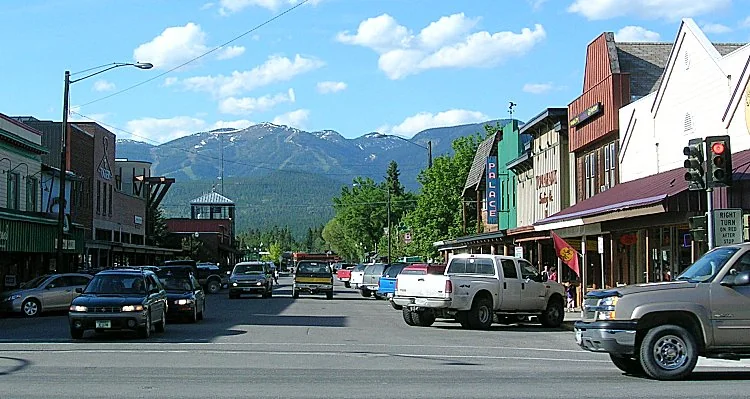


Whitefish brings together a lake, forested surroundings and mountain recreation. Those features make it appealing to homeowners and visitors, but they also make a one-line insurance description inadequate. A house in the developed town, a wooded lake property and a home used for resort visits can have very different construction, maintenance and occupancy details.
If coverage has become hard to find, the next useful step is to describe the particular home clearly. Collect the insurer’s reason, identify missing information and ask a licensed specialist what evidence will support a review. A Whitefish address is not a promise of acceptance or a complete explanation of why a company declined.
Use the city’s wildfire resources as a starting point
Whitefish maintains a wildfire-preparedness page and a separate checklist resource. The checklist directs residents toward the state natural-resources agency’s local office for questions about home evaluations and Firewise participation. Confirm the current process before scheduling work or assuming that a particular program is available to your parcel.
Bring practical questions: what should be addressed at the building first, which vegetation conditions need professional attention, and what maintenance should recur between visits? Ask whether the assessor can explain how the home connects to its immediate surroundings. The resulting recommendations can guide work even though the assessment itself is not an insurance quotation.
A lake view should not hide the landward side
For a home near Whitefish Lake, photograph the approach from the road as well as the view toward water. Include decks, roof edges, storage areas and the boundary with vegetation. Show slope and access honestly. Water visible in a photograph does not tell an insurance reviewer whether the building has combustible attachments or whether the driveway presents questions.
For a more developed town lot, emphasize the actual arrangement of neighboring structures, fences and landscaping. Avoid using a distant mountain photograph to imply that every home has a forest at the back door. Local scenery belongs in a city guide; a property submission needs images of the specific conditions being reviewed.
Make seasonal care an explicit responsibility
A house used during ski trips or summer vacations can spend long periods without the owner present. Establish who checks the exterior, removes accumulated debris and reports damaged building features. Ask a caretaker or contractor for dated photographs so you have a record of conditions between visits rather than a vague assurance that everything looks fine.
Give the caretaker clear limits as well. An emergency plan should never require someone to enter a closed area to protect property or take insurance photographs. Routine maintenance belongs in safe conditions before an incident. Make owner contact information available and agree how urgent concerns will be communicated when you are away.


Describe rental activity accurately
Whitefish owners may combine personal visits and rental stays. Explain the entire arrangement when requesting coverage, including frequency, management and any separate guest unit. Do not call the home owner-occupied year-round merely because it is furnished for your family. A useful insurance review begins with the real use.
Ask which policy questions arise if a required evacuation occurs during a guest stay or if a loss makes the home unavailable. Rental income, temporary accommodation and guest liability are distinct subjects that should be discussed with a licensed professional. Avoid assuming that a general homeowners form answers every question simply because the building is a house.
Identify the service area and shared responsibilities
The city Fire Department and the Whitefish Fire Service Area provide separate public resources. The fire-service-area website describes its elected governance and directs homeowners toward preparedness material. Confirm which authority serves the actual address instead of relying only on the word Whitefish in a mailing address or real-estate listing.
Where a homeowners association or shared road is involved, request the maintenance arrangements and identify who is responsible for common vegetation, gates and access. Pass relevant facts to the agent. A neighborhood agreement can explain responsibilities, but it does not establish an insurer’s acceptance criteria or guarantee that a road will remain usable during a fire.
Keep community planning dates visible
Flathead County’s fire-service resources include community wildfire plans, and Whitefish’s local resources point to its own planning work. Use the current official version when discussing community projects. A draft, a historic plan and completed treatment are different things, so keep the date and status with any document supplied to an insurance reviewer.
If nearby work is relevant, describe only what the official record supports. Then show what has been done at your own house. A public-land project should not become an unsupported statement that the entire neighborhood is protected. Our home-hardening guide helps connect wider preparation to the details of the building.
Check the coverage assumptions for a distinctive home
Ask how the proposed dwelling amount reflects the property’s materials, additions and finishes. Review separate garages, guest buildings and contents. A waterfront or resort-area purchase price can include substantial value beyond the structure, so ask for the actual reconstruction assumptions rather than using the sales price as the estimate.
Discuss deductibles, settlement terms, additional living expenses and any inspection conditions. For a seasonal home, ask specifically about absences and the duties the policy places on the owner. Our coverage-options guide can organize the comparison. The policy and endorsements still determine what is covered.
Prepare a visitor information sheet
A Whitefish rental guest should be able to locate the address, owner contact and official emergency resources without searching through booking messages. Place that information in the home and provide it before arrival. Ask the manager to keep it current. The sheet should direct guests to authorities for live instructions, while avoiding fixed promises about which mountain or lakeside road will remain open.
Prepare the next submission with a clear timetable
Keep the written notice, termination date and current declarations together. Add occupancy details, claims and repairs, exterior photographs and any assessment recommendations. Label work as completed, scheduled or under consideration. That simple distinction prevents an application from overstating the condition of the property.
Use the nonrenewal guide to keep the replacement search moving. Ask a specialist what further evidence would help and allow time for review. If a policy issue remains unresolved, Montana’s insurance regulator supplies consumer guidance. You can pursue better information and potential alternatives without relying on guarantees about availability or price.
Explore the Montana guides
Read the Montana wildfire insurance overview for state resources and questions about available insurance paths.
Common questions
Does a Whitefish Lake home need a different photo set from a town lot?
Yes, because the layouts may differ. A lake property should show the landward side and access as well as the waterfront. A developed town lot should show neighboring structures, fences and attached features. In both cases, photographs should explain the actual parcel rather than rely on scenery.
Where can I ask about a Whitefish home evaluation?
The city’s preparedness checklist points owners toward the local state natural-resources office for evaluation and Firewise questions. Verify the current appointment process and availability. Ask for priorities tailored to the house, then discuss with your agent whether the resulting records are useful for the prospective insurer.
Must I disclose occasional short-term rental use?
Yes. Explain the rental arrangement, personal use and property management before obtaining quotes. Ask about the appropriate form and any conditions affecting absences or guest stays. A policy should be evaluated against the real use, not an incomplete description chosen to make the application seem simpler.
Can our association’s wildfire work replace individual home maintenance?
Common-area projects can be relevant, but they do not describe every roof, deck or yard. Identify association responsibilities and completed work, then keep your own maintenance records separately. Ask the local assessor and insurance professional which remaining conditions need attention at the individual home.
Sources and further reading
- City of Whitefish: wildfire preparedness
- City of Whitefish: homeowner checklists
- Whitefish Fire Service Area: homeowner resources
- Flathead County: wildfire planning resources
- Montana insurance regulator: property insurance questions
Program rules and insurance terms can change. Check the linked agency or program before relying on eligibility, coverage, or local requirements.
General educational information. This website does not issue policies, bind coverage, or provide emergency alerts. Coverage and eligibility require individual review.