.jpg)
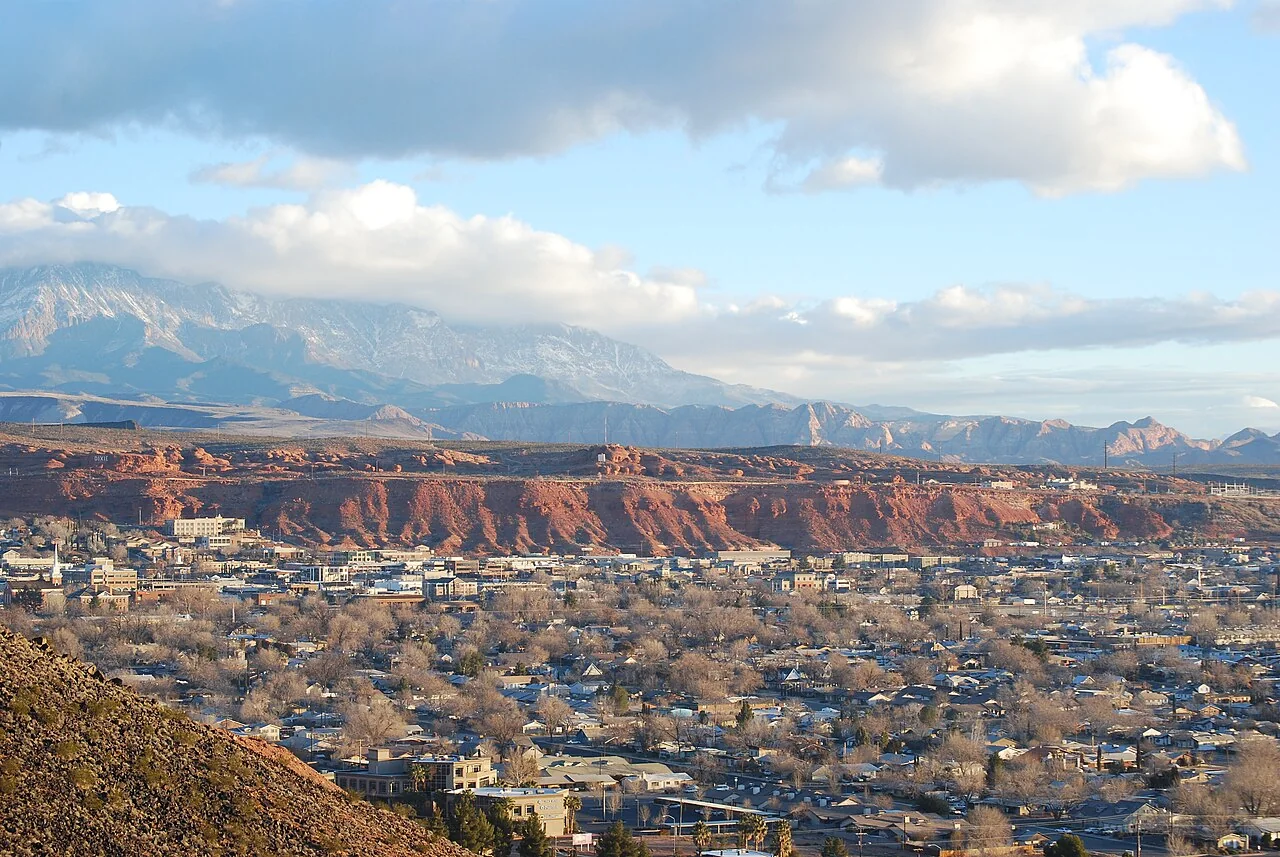
St. George's red-rock scenery can make wildfire feel like an issue belonging to a distant forest. Yet the practical insurance question is much closer: what materials and vegetation connect to the building, and how is the property maintained? A desert home deserves its own assessment, not an assumption based on how few tall trees appear in a photograph.
The region also contains landscapes that should not be confused with one another. The Bureau of Land Management places the Red Cliffs National Conservation Area beside communities including St. George, with the Pine Valley Mountains farther north. A house in St. George is not automatically a Pine Valley forest property. Describe the actual parcel and let a qualified professional evaluate its relevant features.
Begin where landscaping meets the desert edge
Walk from the front entrance around the entire home when conditions are safe. Look at the relationship between walls, patios, storage, fencing and vegetation. If the rear boundary adjoins open land, photograph that transition as well as the maintained yard. A broad red-rock panorama may establish location, but it does not show what is beside a sliding door or beneath a deck.
For a home with stone or gravel landscaping, inspect what lies within and around it. Include accumulated debris, ornamental plants and combustible objects in the assessment conversation. The useful record shows actual conditions rather than presenting a landscape style as proof of protection. Ask a local fire professional which maintenance priorities fit the property.
Where an association maintains common areas, determine who controls each strip of land. The area beyond a wall may belong to the association, another owner or a public agency. Label that boundary on a simple site sketch. Do not promise an insurer that you will clear land you do not own or have permission to alter.
Respect the Red Cliffs conservation setting
The BLM describes Red Cliffs as a conservation landscape with protected habitat and multiple management partners. That matters when a property borders or overlooks public land. A homeowner's mitigation project should stay within authorized boundaries and should not become an informal alteration of habitat or public trails.
Ask the appropriate land manager about concerns beyond the parcel. Keep that correspondence separate from completed work on the house. If a public project is announced nearby, record what it actually covers instead of assuming it changes your property's insurance eligibility. Community land management and a private building assessment answer different questions.
Within your own yard, request advice that considers both fire resilience and the desert setting. A suitable plan should identify priorities, maintenance needs and any permissions required. Before removing vegetation or hiring equipment, confirm applicable local rules and current restrictions. The goal is a workable property plan, not a blanket instruction to remove everything green.
Use Washington County’s local preparedness network
Washington County Emergency Management provides community fire-planning information, preparedness resources and contacts for local fire authorities. Its guidance encourages community participation and directs residents to the responsible authority for their community plan. Start there to find the correct local contact, then verify whether your address is within St. George or a neighboring jurisdiction.
Ask whether a home assessment, neighborhood meeting or other support is available. Program offerings and schedules may differ among communities. If you are working with an association, identify one person to coordinate questions about common land and another to track homeowner responsibilities. Keep the resulting recommendations with your insurance records, making clear which work remains pending.
The county also provides emergency-management information. Use current official sources for restrictions and incident instructions rather than assuming that an older article describes today's conditions. An insurance guide can support planning, but it cannot tell you whether a road is open or an outdoor activity is currently permitted.

Explain seasonal use and upkeep
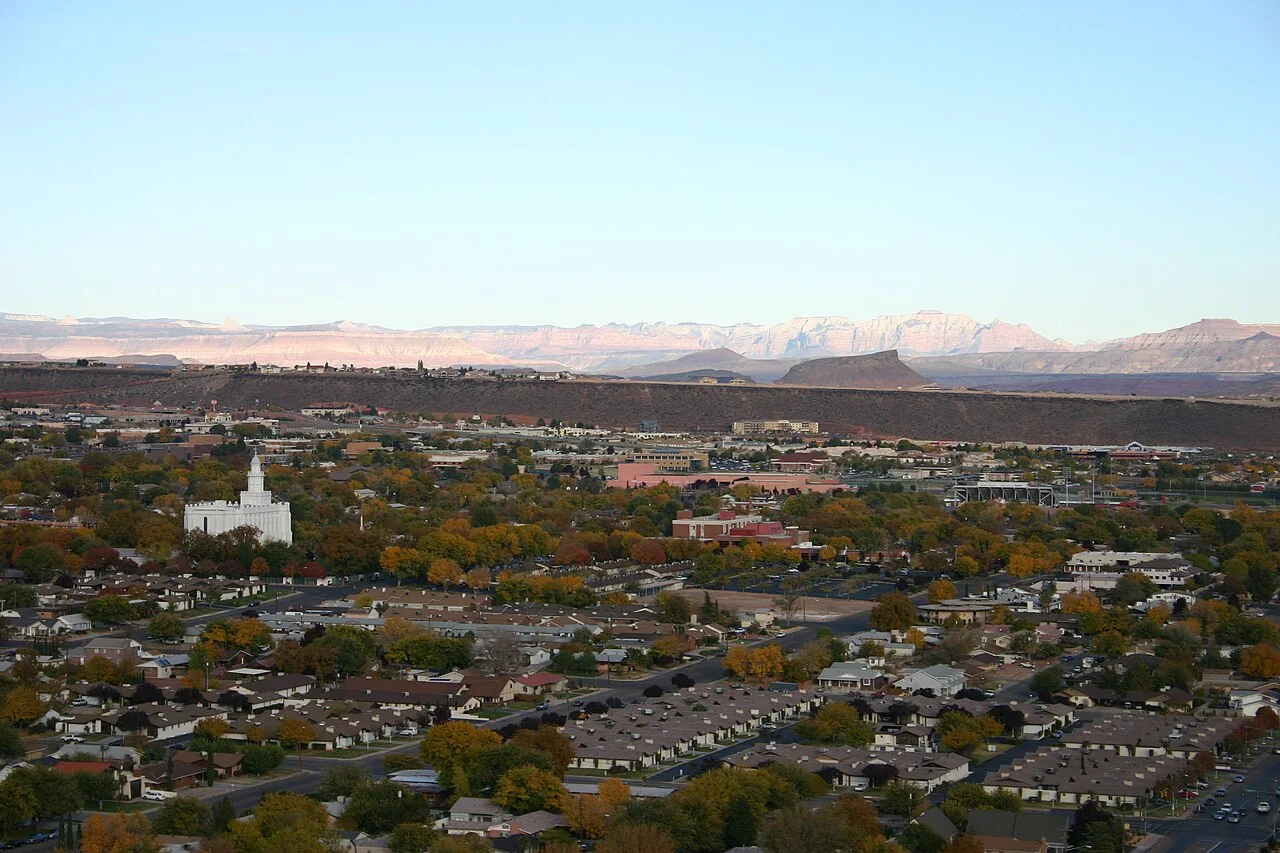
If you occupy the St. George home only part of the year, tell the agent how long it is typically unattended and whether anyone checks it. Identify rental activity, guest use and the person responsible for exterior maintenance. A policy application should reflect the actual arrangement rather than the label you normally use in conversation.
Create a handoff for the person maintaining the property. Include the approved work list, photo locations and instructions for reporting damage or unusual conditions. After wind, landscaping changes or contractor work, request updated photographs where appropriate. This helps an owner who is away understand what has changed without relying on an old listing photograph.
For attached housing, obtain the association's insurance information and maintenance responsibilities. Ask which portions of the building belong in your individual coverage and how association deductibles or assessments could affect you. Shared roofs and exterior walls require coordinated decisions, so avoid promising alterations before the association has authorized them.
Make the insurance submission specific enough to review
Provide the current declarations and any written notice from the insurer. Identify the stated reason for concern. Roof age, prior claims, occupancy and wildfire surroundings may all require separate answers. An organized submission explains each issue rather than assuming that one landscape improvement resolves every obstacle.
Include roof material and installation records, exterior photographs, detached-building details and completed repair documents. Describe a casita, workshop or garage accurately, including how it is used. Ask the agent how each structure and its contents would be treated. A photograph of the main house alone does not describe the whole insured location.
Compare dwelling limits, loss settlement, deductibles and additional living expense terms. Discuss reconstruction needs separately from market value. If an offer contains an exclusion or inspection condition, ask for a clear explanation before accepting it. Our insurance options guide can help prepare those questions when a familiar company is no longer available.
Build a review calendar that does not depend on a crisis
Put the policy renewal date, maintenance visits and any assessment follow-up in one calendar. Keep a short record of completed work and refresh photographs after meaningful changes. If a cancellation or nonrenewal notice arrives, share the full document with a specialist agent promptly while you continue collecting evidence.
For household preparation, maintain an offsite inventory and a communication plan for everyone who uses the home. Follow the responsible local authority during an emergency. St. George's distinctive landscape deserves accurate description and thoughtful care; neither a desert location nor a mitigation project guarantees coverage, but both can be explained clearly in a property-specific review.
Explore the Utah guides
Read the Utah wildfire insurance overview for state resources and questions about available insurance paths.
Common questions
Does a desert setting mean wildfire insurance concerns do not apply?
No. A property review should consider the building and its immediate surroundings, including vegetation, fencing and stored materials. St. George homes vary by location and construction. A sparse-looking landscape should not substitute for an assessment of the actual parcel.
May I clear vegetation beyond my boundary near Red Cliffs?
Do not alter land without authorization. Red Cliffs includes protected public land and habitat managed by multiple partners. Contact the responsible landowner or agency about concerns outside your parcel and distinguish their work from improvements you have completed personally.
What should a seasonal homeowner tell the agent?
Explain the occupancy schedule, any rental use and who monitors and maintains the property while you are away. Include detached guest space and other structures. Accurate use information helps the agent evaluate a suitable policy rather than assuming continuous primary-residence occupancy.
Where should I start for local preparedness information?
Washington County Emergency Management links community fire-planning and preparedness resources. Confirm the fire authority responsible for your address and ask about current assessment opportunities. Use official live updates for restrictions and emergency directions, which can change after this guide is read.
Sources and further reading
- Washington County: Community Fire Planning
- Washington County: Emergency Management
- Bureau of Land Management: Red Cliffs National Conservation Area
Program rules and insurance terms can change. Check the linked agency or program before relying on eligibility, coverage, or local requirements.
General educational information. This website does not issue policies, bind coverage, or provide emergency alerts. Coverage and eligibility require individual review.