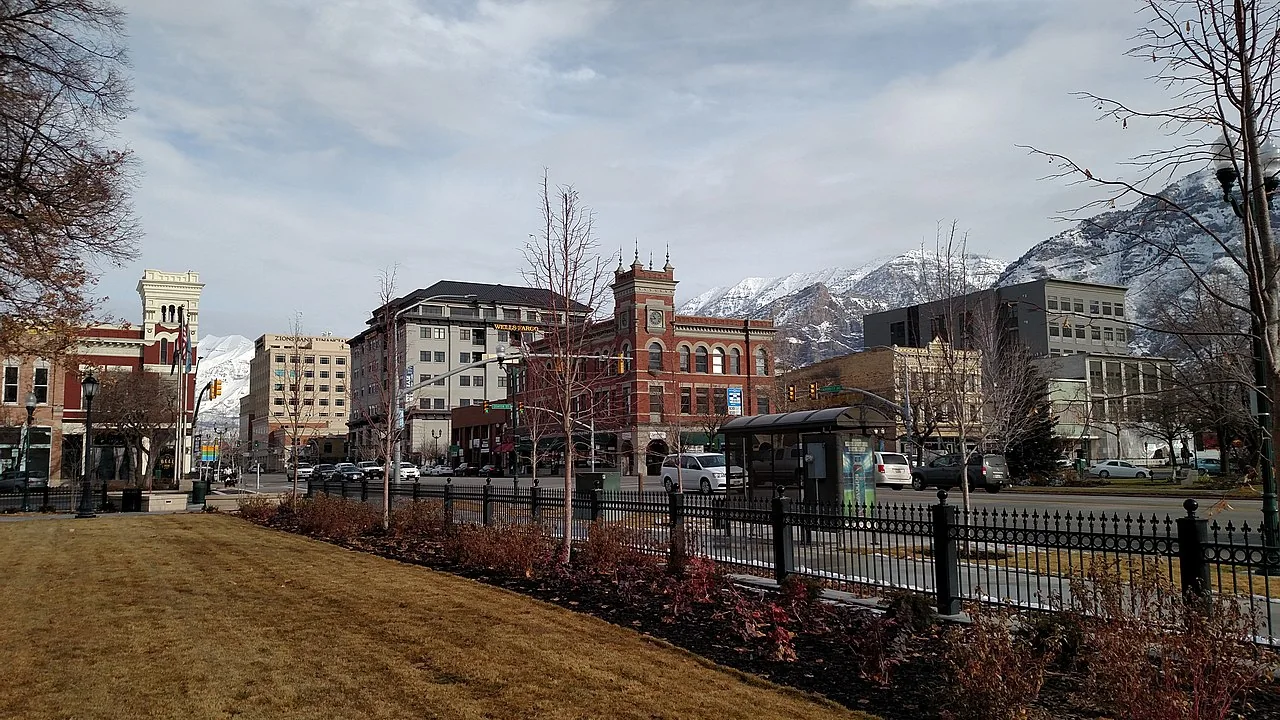

Provo's mountain backdrop is part of daily life, but a scenic view does not describe the conditions around a house. A property near Rock Canyon, Slate Canyon or another foothill edge deserves a different set of photographs from a home farther into the developed valley. The insurance conversation should explain those differences without assigning an entire city one risk label.
Provo Fire & Rescue identifies Provo Canyon, Rock and Slate Canyons, the city and other local areas within its operations information. Its wildfire-safety resource also offers a direct starting point for homeowner assessments and mitigation questions. These local resources can help you prepare useful evidence when an insurer asks for more information.
A documented Slate Canyon lesson
In its July 2026 account of the July 4 Slate Canyon brush fire, Provo reported that earlier fuel-reduction work along the Bonneville Shoreline Trail slowed the fire's progression. The city also described terrain and access challenges during the response. This is a specific local example of why preparedness and coordinated mitigation matter.
The lesson should be applied carefully. One successful treatment does not prove that every adjacent property is protected or that a future fire will behave the same way. Ask what work has actually occurred near your home, who maintains it and what remains your responsibility. Use the official incident account for context, not as a substitute for an assessment of your building.
If an insurance application asks about mitigation, report the work on your parcel accurately. Identify community work separately and avoid implying that a nearby trail or treatment is a guaranteed barrier. The distinction helps the agent explain the property without overstating what a past event demonstrates.
Begin with Provo’s assessment and chipping resources
The city's wildfire-safety page invites homeowners to ask about free home assessments, community chipping and its mitigation program. Confirm current eligibility, scheduling and material requirements before arranging work. A program inquiry can also help identify which department should answer questions about a particular parcel.
Bring the insurer's notice or inspection request to the conversation. Ask the assessor to identify the relationship between the house, immediate landscaping and surrounding slope. Request a practical order of work, separating routine maintenance from contractor projects or items needing approval. This helps direct time and money toward the most relevant tasks.
If chipping is part of the plan, coordinate cutting and collection rather than leaving material indefinitely beside the house. Keep the completed-work record, including photographs and any contractor documentation. The insurer may request different evidence from the city, so ask the agent what must be submitted and in what form.
Show the canyon edge from the building’s perspective
For a foothill home, begin with views from the rear and side elevations. Show the ground below decks, the slope above or below the house and the transition to adjoining vegetation. Include fences, storage and detached structures. A distant mountain photograph cannot reveal those details, even when it accurately identifies the neighborhood.
Where a property approaches a trail or public open space, mark the boundary on a sketch. Identify land you maintain and land managed by another owner. If the concern involves public property, contact the responsible agency rather than extending private work beyond the boundary. Keep any promised future project separate from completed improvements.
In an established valley neighborhood, ask about the building itself and its connections to neighboring structures. Small lots may require coordination over fencing or shared vegetation. Do not assume that distance from a canyon eliminates the need to review roof edges, vents or combustible storage. The appropriate priorities should come from the actual site.


Clarify access and household plans
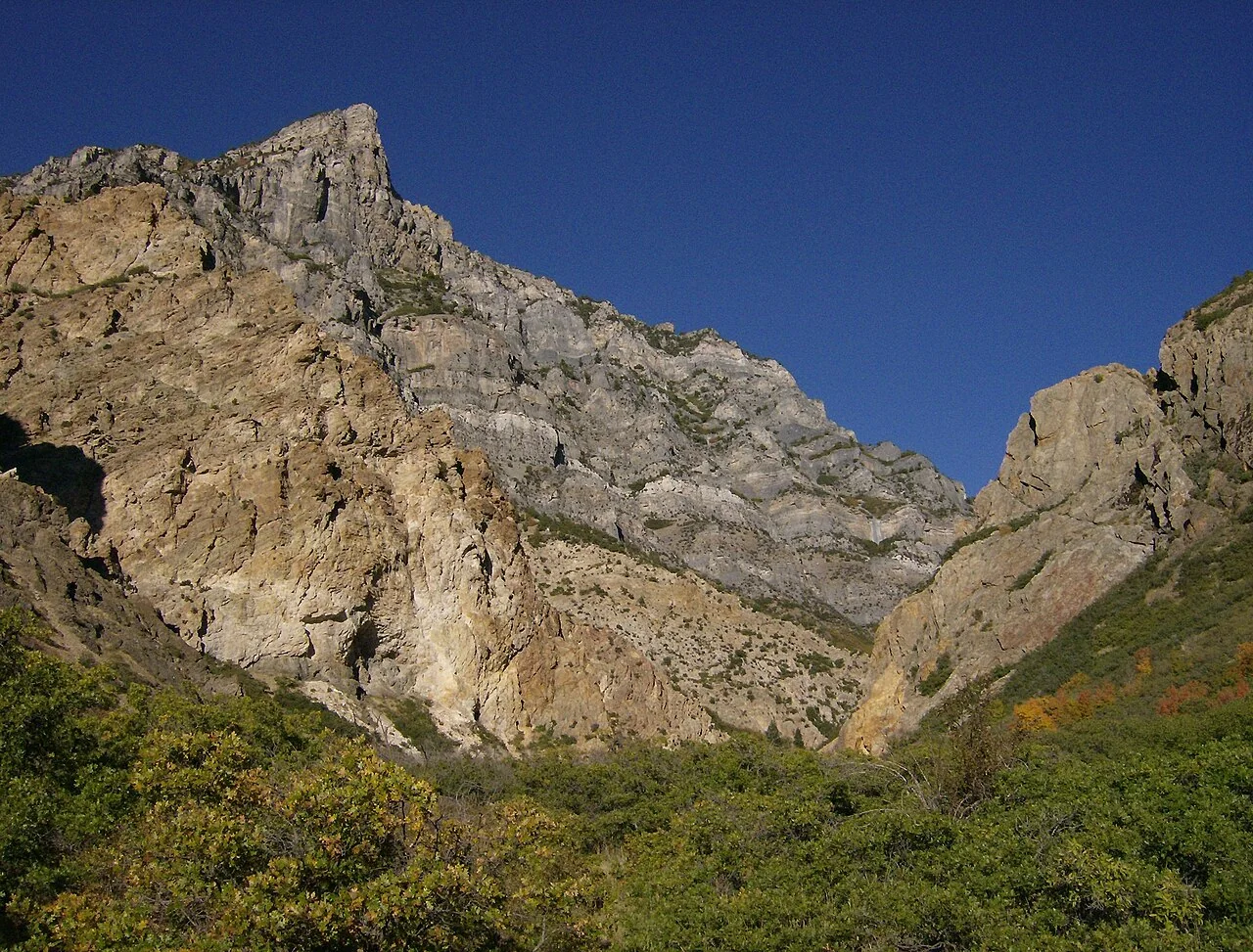
Provo's Slate Canyon account is also a reminder that access deserves attention. Describe the normal approach to the home, any private gate and any shared driveway. If an agent asks about access capacity or firefighting water, obtain verified details from the responsible authority. Do not invent a response-time estimate based on the nearest station.
For family preparation, review official emergency information and plan how household members will communicate when separated. A canyon road or neighborhood shortcut should not be treated as an assured exit during a wildfire. Current directions, traffic controls and closures take precedence over a static plan.
Keep important documents and a home inventory accessible away from the property. If anyone needs assistance, plan that coordination before an incident. These steps serve personal preparedness; they do not establish policy coverage. Ask the agent separately how additional living expense and other potentially relevant provisions operate.
Describe the home and every use of it
An accurate submission includes roof age and material, exterior construction, decks and detached buildings. Retain invoices for replacement work and photographs showing completed repairs. If an inspection identified a particular problem, explain the repair and provide evidence that it has been finished rather than simply removing the item from a checklist.
Tell the agent about rented rooms, an accessory living area, a home business or other use that differs from a single household occupying the entire house. Include periods of vacancy and the use of sheds or workshops. These facts can matter to eligibility and coverage even when the original inquiry began with wildfire.
For a condominium or attached property, identify association responsibilities. Obtain master-policy information and ask who can authorize exterior or landscape changes. An individual owner's mitigation plan should reflect the features they actually control, while the insurance review addresses the boundary between association coverage and personal coverage.
Compare the proposed policy before comparing the price
Discuss reconstruction assumptions, including renovations, specialized materials and any site-related work. Ask about dwelling limits, loss settlement, debris removal, code-upgrade provisions and additional living expense. Do not assume that the home's purchase price measures the cost of rebuilding it or that every new offer matches the previous contract.
Read any exclusion, deductible or post-binding inspection condition with the licensed professional. If the current insurer has issued a nonrenewal, ask whether updated information can be considered while replacement options are explored. A review request does not automatically move the expiration date. Our nonrenewal guide can help organize the timeline.
The home-hardening guide offers background for assessment questions, while the coverage-options guide supports the policy discussion. Provo homeowners have specific local resources and a documented example of mitigation at work. Use them to create an honest, current property record, with insurance decisions still based on the individual home and the offered terms.
Explore the Utah guides
Read the Utah wildfire insurance overview for state resources and questions about available insurance paths.
Common questions
What did Provo report about the July 2026 Slate Canyon fire?
The city reported that prior fuel-reduction work along the Bonneville Shoreline Trail slowed the fire’s progression. This historical example supports the value of local mitigation, but it does not establish protection for every nearby home or predict how a future incident will behave.
Does Provo offer help evaluating a home for wildfire concerns?
Provo’s wildfire-safety page identifies home assessments, community chipping and mitigation resources. Contact the department to confirm eligibility and scheduling. Ask your agent separately which assessment documents or completed-work records a particular insurer will consider.
Should I include public land in my property photographs?
Include relevant surroundings visible safely from your property or a public location, with boundaries clearly explained. Identify the responsible landowner. Do not represent work on public land as your own completed mitigation or promise changes that you cannot authorize.
What if I rent a room or have a separate living area?
Explain the arrangement directly to the agent, including occupancy and any business use. Those facts belong in the review alongside wildfire information. A policy suitable for one household arrangement may require different terms when the property is used differently.
Sources and further reading
- Provo: Wildfire Safety and homeowner programs
- Provo Fire & Rescue: Operations and service geography
- Provo: July 2026 Slate Canyon fire account
Program rules and insurance terms can change. Check the linked agency or program before relying on eligibility, coverage, or local requirements.
General educational information. This website does not issue policies, bind coverage, or provide emergency alerts. Coverage and eligibility require individual review.