.jpg)
Read Utah’s landscape at the property level
Utah’s state wildfire resources distinguish detailed hazard information from generalized community assessments. That distinction is useful for homeowners: a community label can prompt preparation, but it is not an individual insurance decision. The Utah Division of Forestry, Fire and State Lands, known as FFSL, provides wildfire-risk and community-preparedness resources to help start that work.
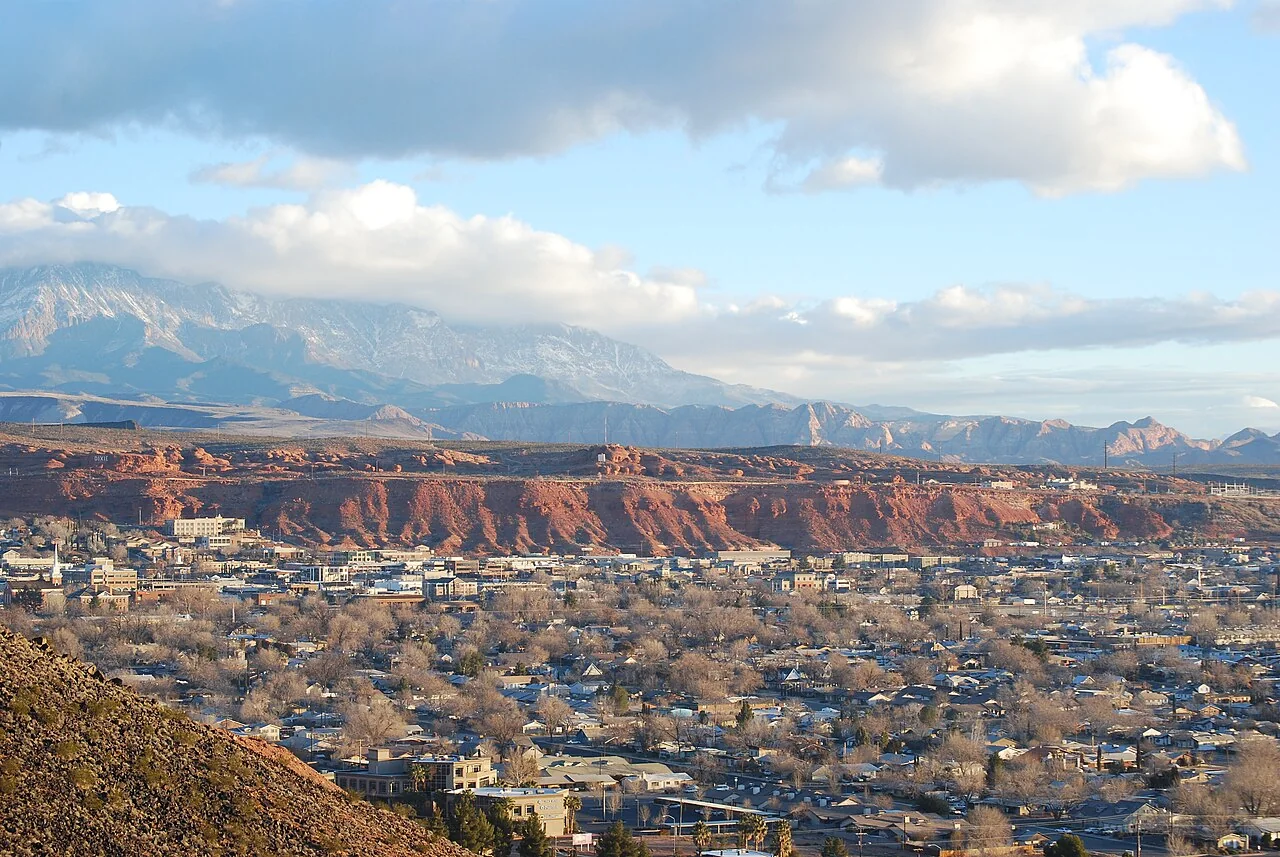
The southern desert interface, Wasatch foothills, and forested mountain neighborhoods offer different combinations of vegetation and terrain. When discussing the home, show the insurer the building’s immediate surroundings, access, roof, attached structures, and actual use. A seasonal property or a home used for short-term rentals needs an accurate occupancy description rather than an application for a different use.
Compare available private-market routes
Ask a licensed agent which standard insurers will consider the home and what information they need. Where standard placement is unsuccessful, a suitable surplus-lines option may be worth reviewing. The Utah Insurance Department describes surplus lines as a supplemental market with its own placement procedures. It is not simply another name for standard admitted coverage.
Before relying on a state fallback, check current program status with the Utah Insurance Department. A legislative proposal or discussion of a FAIR Plan is not the same as an operating program accepting your application. Focus on options the agent can actually submit, and ask for a clear explanation of insurer status, policy protections, and remaining conditions.
Local guides across Utah
These examples describe landscape differences, not a ranking of cities or an insurer’s assessment of a particular address. Open a local guide for property-review questions.
| City / area | Why wildfire / brushfire exposure varies | State FAIR Plan? |
|---|---|---|
| St. George | Mojave grass-shrub, red-rock canyons and Pine Valley forest. Conditions vary with the lot, nearby fuels, slope, and access. | Check current status with Utah Insurance Department |
| Cedar City | Sage basin, Cedar Canyon and mountain forest. Conditions vary with the lot, nearby fuels, slope, and access. | Check current status with Utah Insurance Department |
| Park City | Wasatch forest, sage slopes and resort development. Conditions vary with the lot, nearby fuels, slope, and access. | Check current status with Utah Insurance Department |
| Ogden | Wasatch grass-oak foothills and canyon mouths. Conditions vary with the lot, nearby fuels, slope, and access. | Check current status with Utah Insurance Department |
| Provo | Wasatch grass-oak foothills and Provo Canyon. Conditions vary with the lot, nearby fuels, slope, and access. | Check current status with Utah Insurance Department |
Questions that make quotes comparable
- Wildfire wording: confirm fire and smoke protection, exclusions, endorsements, and any separate deductible.
- Building value: ask how the reconstruction estimate was prepared and whether replacement-cost conditions apply.
- Displacement: review additional living expenses, payment limits, and the circumstances that trigger coverage.
- Occupancy and structures: confirm the intended use of the home and protection for detached buildings and belongings.
- Other losses: compare liability, theft, water damage, and separate coverage needs.
- The complete price: review taxes, fees, minimum-earned or cancellation terms, and deductibles alongside the premium.
Ask for explanations of differences you do not understand. A lower price may represent a different amount or type of protection, while a higher price alone does not establish that an offer meets your needs.
Respond to a Utah nonrenewal with a clear file
Keep the notice and identify the coverage end date. Ask whether the stated problem concerns wildfire modeling, property condition, loss history, or a broader insurer decision. Find out whether corrected facts or completed work can be reconsidered, while also asking an agent to pursue replacement coverage. Do not wait for an appeal or informal conversation to succeed before planning for the deadline.
Gather the declarations, claims and repair history, building updates, occupancy details, and dated exterior photographs. Ask the agent what must be completed before binding and what can be required after an inspection. If a lender is involved, review its requirements. Contact the Insurance Department for unresolved consumer questions and confirm the replacement policy’s effective date in writing.
Connect home improvements with community planning
FFSL’s community-preparedness page provides a Community Wildfire Preparedness Plan template and links to risk resources. Local planning can address shared issues that extend beyond one yard, while a property assessment helps you decide what to change at the home. Ask local fire professionals about vegetation, combustible materials near structures, and access before undertaking significant work.
Document completed improvements and retain recommendations from qualified assessors. Then ask the insurer which items it recognizes and how they affect its review. Preparedness is valuable for its own purpose, but a plan, recognition, or receipt does not guarantee insurance eligibility. See our home-hardening guide for organizing questions about the building itself.
Describe the Utah landscape at the scale of the home
The Wasatch foothills, mountain communities, and southern Utah settings call for different local questions. Begin with the building and immediate surroundings rather than a general assumption based on a scenic location. Show vegetation, slope, attached decks or fences, and the relationship between the maintained lot and adjacent land.
For a property near shared open space, identify which areas the homeowner, an association, or another owner maintains. If the home is used seasonally, explain who checks it while it is empty. If rental activity occurs, include that information in the insurance discussion rather than treating it as separate from a wildfire-related application.
Verify a program before treating it as an option
A legislative proposal, a discussion about a residual market, and an operating insurance program are different things. Ask the Utah Insurance Department for current consumer guidance instead of relying on the title of a bill or an older article. A proposed policy mechanism does not establish that an application can be submitted or coverage obtained today.
At the property level, ask a licensed professional about current market possibilities and the information needed to evaluate them. Keep the current declarations, notices, claims details, repairs, and photographs together. Accurate records support a review without ensuring that a particular company will offer a policy.
Read the proposed wildfire terms and ask how they interact with the rest of the contract. Compare deductibles, dwelling settlement, contents, liability, and additional living expenses. When another policy is suggested, request a clear explanation of which protections it adds and which gaps may remain.
For physical work, ask the relevant fire or code authority which rules apply. An insurer may also have written conditions of its own. Keep those documents separate and confirm who determines completion for each purpose.
Update the file when work is finished or the property's use changes. A new photograph, receipt, or corrected description can make the discussion more precise, while emergency alerts and evacuation directions should continue to come from the responsible local agencies.
Common questions
Does Utah’s community wildfire assessment determine my insurance eligibility?
No. FFSL distinguishes generalized community evaluations from detailed hazard information. An insurer conducts its own property and application review. Use public resources for preparation and ask what information affected the insurance decision.
What does surplus lines mean for a Utah homeowners quote?
It refers to a supplemental insurance market with separate placement procedures. Ask a properly licensed professional to explain the insurer’s status, coverage, fees, exclusions, and policy protections before deciding whether the offer is suitable.
Can I count on a proposed Utah FAIR Plan for my renewal?
A proposal does not establish an operating program or an accepted application. Confirm current status with the Utah Insurance Department and organize your insurance search around options actually available for your property.
How should I describe a seasonal or rented Utah home?
Explain the real occupancy and rental use, including periods when the property is unoccupied. Ask the agent which policy fits that use. An inaccurate owner-occupancy description can create problems with underwriting and coverage.
Sources and further reading
Program rules and insurance terms can change. Check the linked agency or program before relying on eligibility, coverage, or local requirements.
General educational information. This website does not issue policies, bind coverage, or provide emergency alerts. Coverage and eligibility require individual review.