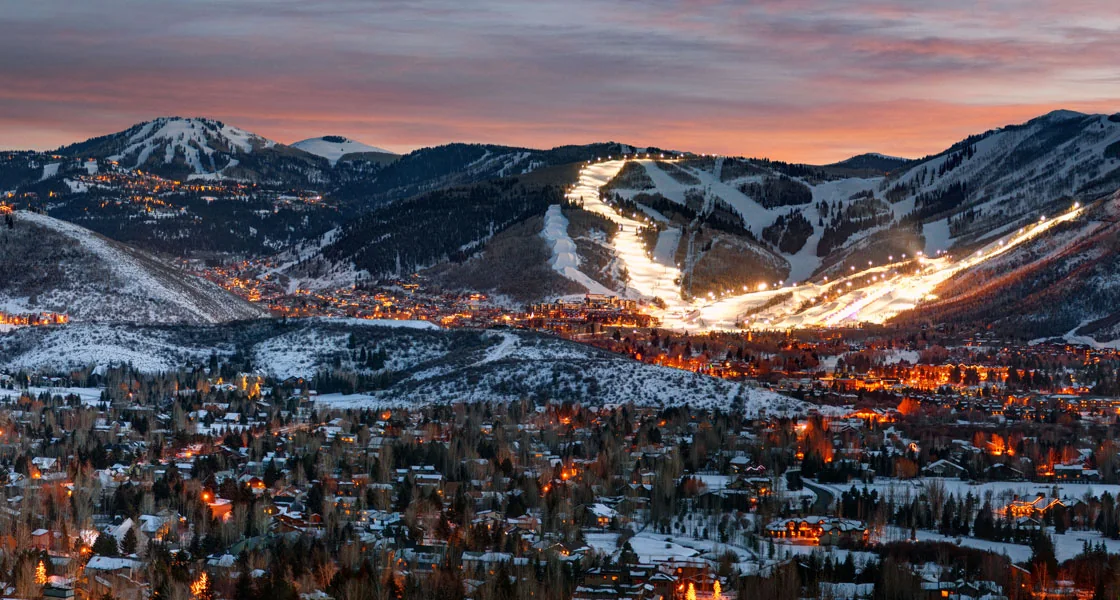

Park City combines a historic town, mountain slopes and a surrounding area with many different residential arrangements. A detached hillside house, a condominium and a property used for nightly rentals can raise very different insurance questions. Their scenery may be similar, but their coverage, maintenance and ownership responsibilities should not be treated as interchangeable.
When wildfire becomes an underwriting concern, begin with the property arrangement as well as the landscape. Who controls the roof and exterior? Who removes seasonal debris? Is anyone present between guest visits? Clear answers help a specialist agent understand what the homeowner can document and what requires an association or property manager's participation.
Start with Park City Fire District’s property resources
Park City Fire District advertises wildfire home assessments and a wood-chipping service. Its fire-prevention resources also address nightly rental inspections. These are useful local contacts, but they serve different purposes. Ask which assessment or inspection applies to your property and whether the requested service is related to wildfire mitigation, rental safety or another requirement.
Check current chipping registration, material preparation and collection rules before cutting or placing debris for pickup. A program may have scheduling and pile requirements. Coordinating the work with the collection process helps avoid leaving material in an unsuitable location while waiting for service. Retain the work record and photographs for your property file.
A district assessment can help identify improvements, but it is not the same as insurer approval. Ask your agent what documentation a particular company will consider. If an insurer requests an inspection or a specific certification, confirm whether the local document satisfies that request before assuming the two are equivalent.
Separate historic-town constraints from broader hillside conditions
For a home in or near the historic town, space between structures and authority to change exterior features can be important practical issues. Ask the responsible local officials about any approval needed for proposed work. A wildfire recommendation should be translated into a permitted, property-specific scope rather than an informal promise to replace materials immediately.
On a hillside lot, photograph the relationship between the slope, deck, lower level and vegetation. Include views beyond the front entrance. Where a landscaped yard meets sage, brush or trees, show the transition clearly. Ask an assessor which details deserve priority instead of assuming that every mountain home needs the same treatment.
A Park City mailing address can also describe property beyond municipal boundaries. Confirm the actual county, municipality and fire district for the parcel. A guide for the town cannot establish every surrounding community's requirements. Correct jurisdiction information is particularly valuable when an insurance submission asks about permits, protection services or access.
Make association responsibilities visible
For a condominium or planned community, gather the governing documents and current master-policy information. Identify who maintains the roof, siding, decks, common landscaping and access roads. Ask the association whether a wildfire assessment or maintenance plan exists and which work has actually been completed.
An individual owner should not promise changes to association property without approval. Instead, provide the agent with the responsible contact, documented plan and realistic status. If a requested repair falls inside the owner's responsibility, keep that separate from common-area work. This avoids an application implying that one person controls the entire development.
Review the boundary between the master policy and the unit owner's policy. Ask about improvements, personal property, loss assessment and association deductibles. A well-maintained shared landscape does not answer those coverage questions. The insurance review must address both physical conditions and the way ownership divides responsibility.

Explain rental and seasonal occupancy in plain terms
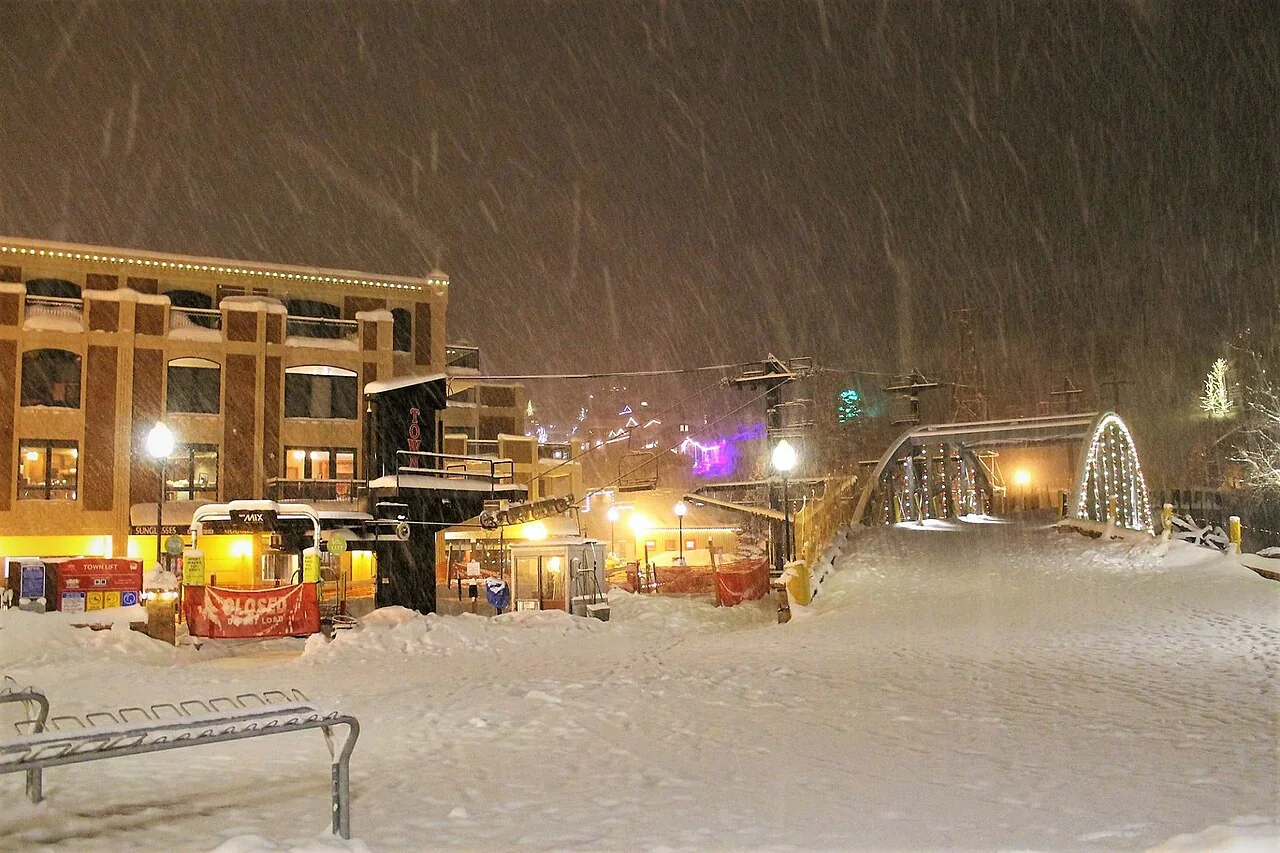
If guests occupy the home, describe the rental arrangement, frequency and property manager's role. If it is a second home, explain the periods when it is unoccupied. Do not rely on informal labels such as occasional use when the agent needs concrete facts. Coverage should be evaluated for the actual arrangement.
Park City Fire District's nightly-rental inspection information is a local safety resource, not a substitute for disclosing rental use to the insurer. Ask which inspection applies and keep the completed record. Then confirm with the agent whether the proposed policy permits the use and addresses the relevant property and liability exposures.
Give the person maintaining the home a clear seasonal checklist based on the assessor's recommendations. Include photographs of critical areas and a way to report damage or incomplete work. An owner who is away should know whether roof-edge debris, deck storage or landscaping has changed since the last insurance submission.
Document construction details that influence the rebuilding discussion
Mountain houses can include complex rooflines, substantial decks, custom interiors and detached structures. Describe what your home actually has, with records where available. Ask the agent to review the reconstruction estimate rather than assuming the sale price reflects rebuilding needs. Land value and the cost of rebuilding a structure are different measures.
Compare loss settlement terms, additional living expense, debris removal and ordinance or law provisions. For a rental property, ask how the policy addresses the financial effects of an interruption to the permitted use. Do not assume a homeowners additional-living-expense provision is the same as rental-income protection. Have the agent explain the applicable coverage in the offered form.
Keep claims and repairs organized even if they involve snow, water or another cause instead of wildfire. An underwriter may need the full history. Pair claim dates with completed-repair records and current photographs so the submission does not leave an old problem appearing unresolved.
Keep preparedness practical for residents and guests
Summit County Emergency Management provides local preparedness and emergency information. Use official resources to plan communications and review current instructions. Guests should know how to receive directions and whom to contact, but a property guide should not promise that a particular road will remain open during an incident.
Store an inventory, policy copies and the manager's contact details somewhere accessible away from the house. If a renewal notice identifies a deadline, share it with the specialist agent promptly and distinguish completed improvements from work awaiting association approval. Our coverage-options guide and nonrenewal guide can help organize the next conversation.
Park City's most useful insurance record is one that accurately joins place, ownership and use. Local assessments and coordinated maintenance can improve that record, while the licensed professional evaluates available policies. Neither a rental inspection nor a wildfire project guarantees eligibility, so keep the actual policy terms central to the decision.
Explore the Utah guides
Read the Utah wildfire insurance overview for state resources and questions about available insurance paths.
Common questions
Are a wildfire assessment and nightly-rental inspection the same?
No. Park City Fire District lists them as distinct services addressing different purposes. Ask which applies to your property, what each evaluates and what documentation results. Confirm separately whether an insurer requires a different inspection or evidence of specific improvements.
What should a condominium owner request from the association?
Obtain maintenance responsibilities, current master-policy information, relevant deductibles and any documented mitigation plan. Identify who can authorize exterior work. The individual policy should be reviewed alongside those records so responsibilities and potential coverage gaps are understood.
Can I assume chipping crews will remove any pile I prepare?
No. Check Park City Fire District’s current registration, schedule and material requirements before arranging work. Proper coordination is part of the project. Keep completed-work photographs, but do not present an uncollected pile or a future booking as finished mitigation.
How should I describe a home used by both family and guests?
Explain the actual occupancy and rental pattern, including periods when nobody is present. Identify the property manager and maintenance arrangements. The agent needs those details to evaluate appropriate coverage and should not have to infer them from a listing or a general second-home label.
Sources and further reading
- Park City Fire District: assessments and preparedness
- Park City Fire District: Fire Prevention and Permits
- Park City Fire District: Wood Chipping Service
- Summit County: Emergency Management
Program rules and insurance terms can change. Check the linked agency or program before relying on eligibility, coverage, or local requirements.
General educational information. This website does not issue policies, bind coverage, or provide emergency alerts. Coverage and eligibility require individual review.