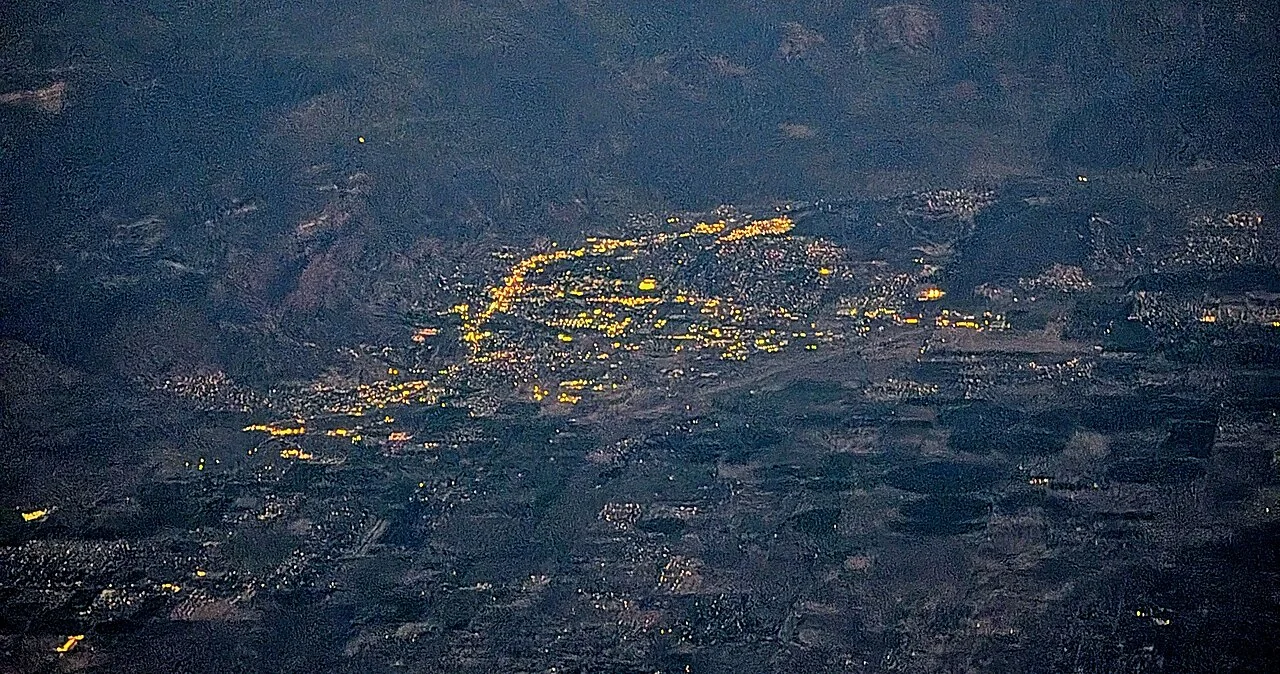

Cedar City's setting changes quickly between developed valley neighborhoods, canyon approaches and higher terrain. A home in town, a parcel toward Cedar Canyon and a mountain property marketed through Cedar City do not automatically have the same fire protection, access or maintenance needs. Begin by locating the actual parcel and describing what is there.
That distinction is especially useful when an insurer raises a wildfire concern. A broad address label can obscure the features an underwriter needs to understand. Your goal is to replace vague descriptions with verified jurisdiction information, current photographs and a clear account of the building. A specialist agent can then evaluate possible coverage using the property's real circumstances.
Use Cedar City’s maps as a starting point
Cedar City's official maps page links city boundaries, streets and a Wildland Urban Interface Zone map. Use those resources to frame questions for the city's fire or building staff. Check whether the parcel lies within the city and whether a mapped designation needs further explanation. Do not present a public map as an insurer's eligibility decision.
For a property near a canyon or hillside, ask which authority oversees the location and any proposed work. A Cedar City mailing address does not necessarily mean every city service or rule applies. If the home is outside city limits, obtain the relevant county and fire-district information rather than copying the nearest city department into an application.
Keep a simple annotated parcel sketch with the insurance documents. Show the house, driveway, outbuildings, slope and vegetation boundaries. Indicate which land is yours and which belongs to an association, neighbor or public owner. That sketch helps an assessor understand the site and prevents confusion about what you can maintain personally.
Cedar Canyon and Cedar Highlands are location clues, not interchangeable labels
Cedar Canyon is part of the terrain east of the city, while Cedar Highlands is a separately named area southeast of Cedar City. The BLM has identified Cedar Highlands in hazardous-fuels work on nearby public lands. That official project context is useful, but it does not establish the condition of a particular house or the current status of every treatment area.
If a listing or prior policy uses a neighborhood name loosely, verify it against the parcel and local records. Explain the actual access and surroundings. Do not borrow a nearby community's mitigation designation, project history or service description simply because the homes appear close together on a map.
For a valley-edge home, photograph the ground between the house and adjoining undeveloped land. For a more wooded property, show the roof, decks and vegetation from several sides. For an urban lot, include nearby structures and fence connections. The evidence should follow the site rather than a standard set of scenic photographs.
Find the right local contact before hiring work
Cedar City Fire Department provides prevention and public-information resources. Iron County's fire pages list local agencies and homeowner preparedness links. Those official directories offer a practical way to confirm the responsible department and ask whether property assessment assistance is available.
Bring the insurer's stated concerns to that discussion. Ask which improvements can be handled through ordinary maintenance and which need a qualified contractor or permit. If a proposal involves roofing, exterior materials, a deck or significant vegetation work, confirm the applicable requirements before signing a contract. A contractor's general assurance should not replace the responsible authority's guidance.
For debris disposal or burning questions, check current official rules directly. Restrictions depend on location and conditions and can change. Do not assume that a neighbor's recent practice is permitted for your parcel. A mitigation project should include a lawful, practical disposal plan so cut material does not remain in a new pile beside the house.

Document the building beyond its front elevation
Record roof material, installation date, exterior walls, vents and attached structures. Save invoices and product descriptions when work is completed. Take a wide image showing the improvement's location and a closer image showing the detail. If the carrier identified one specific condition, label the photograph that addresses it.
For a home on a slope, document the underside of elevated decks and the relationship between the lower yard and the structure. Include detached sheds, garages and workshops. Describe what is stored in them and whether any business or rental activity occurs. The agent needs the use of the property as well as its appearance.
At the entrance, show house numbers, gates and the approach. If access uses a private road or bridge, identify the owner and available maintenance records. Let local officials or the responsible provider answer questions about firefighting supply and access specifications. Avoid estimating response times or assuming a visible water source is an approved firefighting resource.
Match coverage to year-round or seasonal use
A Cedar City residence occupied throughout the year may need a different insurance conversation from a second home or mountain retreat. Explain occupancy, periods of absence and any rental use. If someone checks the property, describe that arrangement accurately. Do not let a familiar mailing address conceal a materially different use.
Review reconstruction assumptions with the agent. A complex roof, specialized materials, detached structures or challenging access can deserve specific discussion. The dwelling limit should be considered alongside loss settlement, debris removal, ordinance or law provisions and additional living expense. An attractive premium alone cannot show whether two offers provide comparable protection.
If an insurer has issued a notice, identify every reason and the effective date. Provide claim dates and repair evidence, including losses unrelated to wildfire. Ask whether updated property information may be reviewed, while keeping replacement options moving. Our nonrenewal guide helps organize that process without assuming a review extends the current policy.
Keep local preparedness and insurance records connected
Iron County Emergency Management provides the appropriate starting point for county preparedness information. Use official directions during an incident, particularly when canyon travel or road access is affected. A static guide cannot identify a safe route or confirm that a road remains open.
Keep the household inventory and policy documents accessible away from the property. Review maintenance records before renewal and after meaningful changes, such as roof work or altered occupancy. Our home-hardening guide can help you prepare assessment questions. The objective is a truthful, locally grounded description that gives the agent a sound basis for exploring available insurance.
Explore the Utah guides
Read the Utah wildfire insurance overview for state resources and questions about available insurance paths.
Common questions
Does Cedar City’s WUI map determine whether I can buy insurance?
No. The city map supports local planning and questions about the parcel. Insurers use their own review processes. Ask city staff about the mapped designation and ask the agent separately how a company evaluates the property and corrects factual errors.
Is Cedar Highlands the same place as Cedar Canyon?
They are different geographic references and should not be used interchangeably. Confirm the parcel location and responsible jurisdiction before describing the property. A nearby public-land treatment does not automatically establish the condition or insurance eligibility of your own home.
Who can identify the fire department responsible for my address?
Use Cedar City Fire Department and Iron County’s official agency directory as starting points. Provide the actual parcel address and ask for confirmation. Mailing addresses, listing descriptions and the nearest visible station do not by themselves establish service responsibility.
What if the property is a second home outside town?
Explain the exact location, occupancy schedule, rental activity and maintenance arrangements. Document road access and outbuildings as well as the house. The agent can evaluate suitable coverage using those facts rather than assuming the home operates like a continuously occupied city residence.
Sources and further reading
- Cedar City: official maps and WUI zone
- Cedar City Fire Department
- Iron County: fire resources and agency contacts
- Bureau of Land Management: southwest Utah fuels work including Cedar Highlands
- Iron County Emergency Management
Program rules and insurance terms can change. Check the linked agency or program before relying on eligibility, coverage, or local requirements.
General educational information. This website does not issue policies, bind coverage, or provide emergency alerts. Coverage and eligibility require individual review.