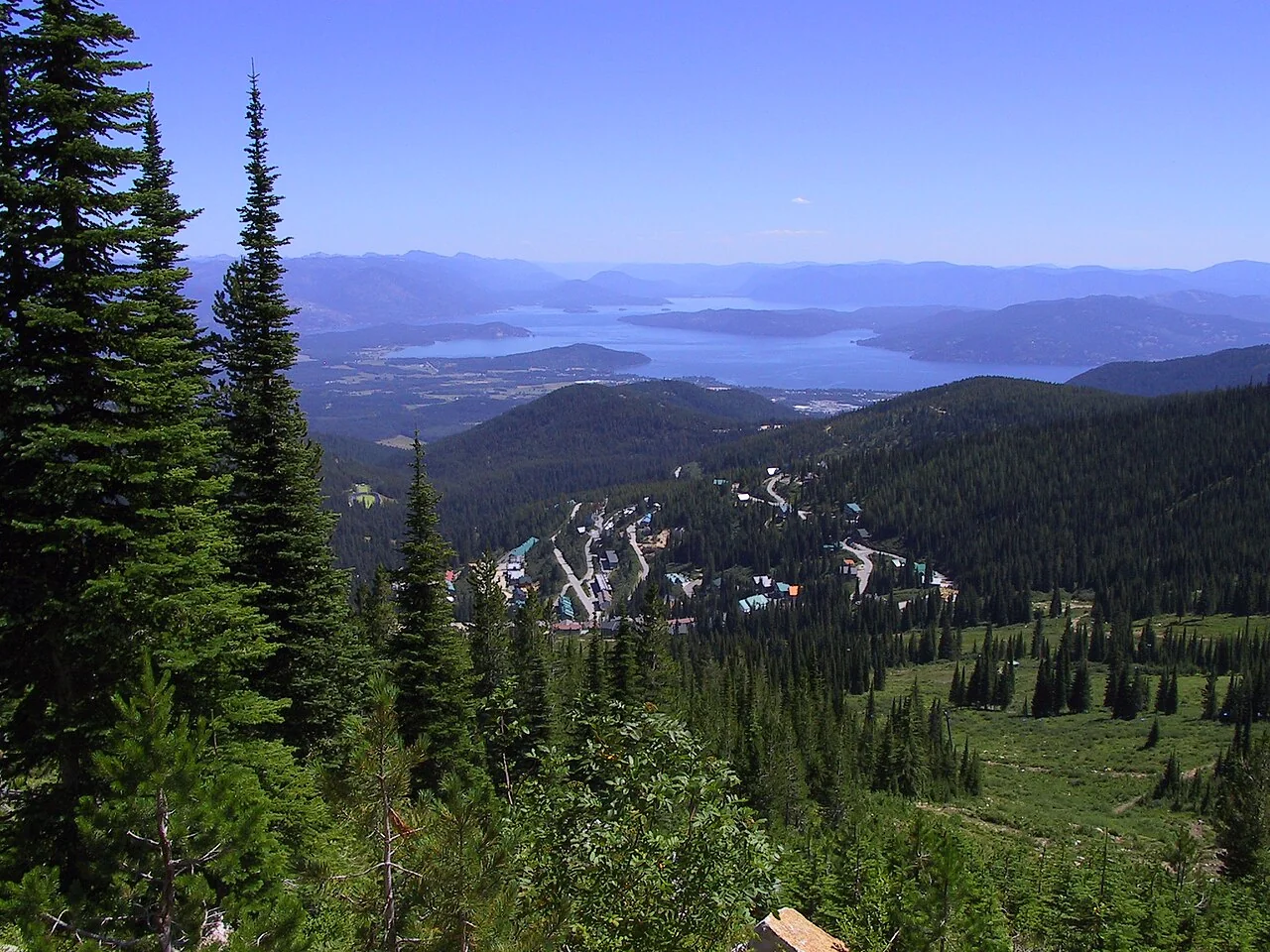

Sandpoint homeowners should not have to describe their property with a generic statement about northern Idaho. A developed lot near town, a wooded approach toward the surrounding hills and a home overlooking Lake Pend Oreille can involve different maintenance, access and occupancy questions. Those differences should appear in the insurance submission, especially after a nonrenewal or an unexpected decline.
Begin with the exact address and a simple explanation of the setting. Then add what the insurer has actually asked about. A specialist can evaluate potential next steps more effectively when the file distinguishes completed improvements, remaining conditions and questions that need a local assessment. A difficult first answer does not mean that every possible review has already occurred.
Use the right scale for a Sandpoint property
Bonner County publishes emergency plans, including its wildfire protection plan and a Lake Pend Oreille geographic response plan. Those documents show why local planning spans more than a city boundary. They should guide you toward the appropriate authority, not be treated as a parcel-level insurance decision.
For an address within Sandpoint, the city’s emergency-response-area resource helps start a discussion about service boundaries. For a home outside the city, identify the actual district and county jurisdiction. A property listing may emphasize proximity to Sandpoint while leaving those details unstated. Confirm them directly before passing the information to an insurance professional.
Ask about BonFire before committing to major work
Bonner County’s BonFire program is a local wildfire-mitigation resource. Its official page explains that funding is tied to federal grants in specified locations and provides a grant-boundary map. That limitation matters. A homeowner should contact the program about the parcel and current availability instead of assuming that every Sandpoint-area property receives assistance.
Ask how an assessment, recommended work and funding approval fit together. Get the answer before hiring a contractor if reimbursement is important to the project. Preserve any written recommendations and completion records. Then ask the agent whether those materials can support a prospective insurer’s property review. A county mitigation program and an insurer evaluate different questions.
Inspect both the forest edge and the house
On a wooded lot, take photographs that explain the transition from surrounding trees to the building. Show roof edges, stored firewood, the ground beneath decks and the condition of nearby outbuildings. A wide view provides context, while close views reveal whether a claimed improvement is actually visible. Keep the two types together.
On an urban Sandpoint lot, focus on the details immediately around the house. A compact yard can still have connected fences, combustible storage or vegetation against walls. Ask a qualified professional which changes would address the site’s actual conditions. Do not remove neighboring vegetation, alter a shoreline or undertake slope work without understanding ownership and applicable requirements.
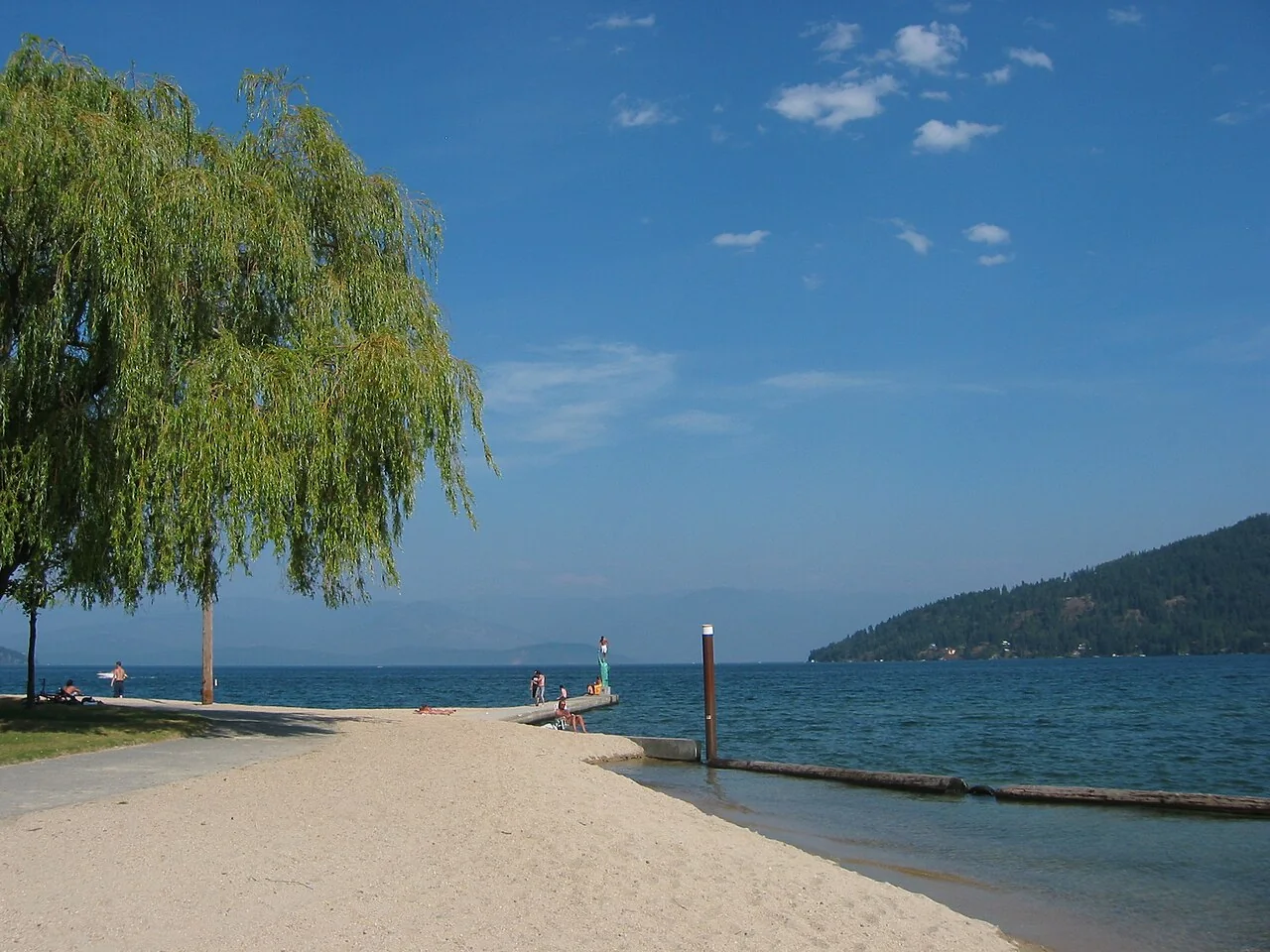

A lake setting does not answer the access question
For a Lake Pend Oreille property, a waterfront image may be useful geographic context but says little about the road approach. Document the driveway, gates, turns and space around the home. If a bridge, private road or shared access agreement is part of the approach, make that clear rather than assuming the agent will discover it independently.
Prepare household travel decisions using county emergency instructions. Sandpoint’s familiar roads and bridges are geographic features, not guaranteed escape routes. Plan how to reach family members who are elsewhere when an alert arrives and how visitors will receive current instructions. Keep property documents available away from the house so retrieving them does not become a reason to delay leaving.
Explain seasonal use and separate buildings
If the home is occupied for only part of the year, describe the schedule and who checks it between visits. Mention rental activity, even when occasional. Include guest quarters, workshops and detached garages, along with any business use. These details can matter to the policy discussion independently of wildfire exposure.
Create an inventory that reflects how the property is actually furnished and equipped. Photograph rooms and distinctive finishes, then record major renovations. A remodel that changes the building should prompt a fresh conversation about the dwelling description and reconstruction estimate. Do not assume the amount paid for a lake property automatically equals the cost of replacing its buildings.
Read a quote as a set of conditions
Ask a licensed professional to compare the proposed dwelling amount, deductibles, roof settlement, other structures and additional living expenses. Request clarification about inspections and any required work after binding. If two proposals use different coverage assumptions, identify the difference before deciding that the cheaper premium is the better fit.
Discuss situations that worry you specifically: smoke in a seasonal home, evacuation while guests are present, or damage to a separate workshop. Ask how the contract addresses them and what documentation would be required. Our coverage-options guide provides a framework, but the actual policy supplies the controlling terms.
Keep grant boundaries out of risk comparisons
BonFire’s geographic funding conditions can be misunderstood. A parcel outside a current grant area has not thereby been declared safer, and a parcel inside it has not automatically been approved by an insurer. Funding maps answer a program-administration question. They should not be turned into rankings of Sandpoint neighborhoods.
If neighbors are organizing work together, ask the program how each parcel is evaluated and who must authorize the project. Keep shared-road or common-area work separate from tasks at individual homes. That distinction makes it easier to explain what was funded, what was completed and what each owner still needs to maintain after contractors leave.
Make a renewal file that can be understood quickly
Place the notice and its termination date first. Add a concise property summary, current photographs, claims and repair records, and any local assessment. Explain which work was completed and which is merely proposed. Our nonrenewal guide can help organize the timeline so the search does not depend on a last-minute submission.
Bonner County emergency management and BonFire are useful local contacts for preparation. The Idaho Department of Insurance is the separate state resource for consumer insurance questions. Keeping those roles clear prevents frustration: one office may help with the property, while another helps explain the insurance process. Neither can promise the outcome of an individual company’s underwriting review.
Explore the Idaho guides
Read the Idaho wildfire insurance overview for state resources and questions about available insurance paths.
Common questions
Does BonFire assistance apply to every Sandpoint-area home?
The county’s published program describes grant funding for specified locations and provides a boundary map. Contact BonFire with the exact parcel and ask about current eligibility, timing and approval requirements. Do that before assuming a project will be reimbursed or telling an insurer that funded work is guaranteed.
Should my application say Sandpoint Fire responds to the property?
Only after confirming the service information for the address. The city publishes an emergency-response-area resource, and properties outside the city may involve another district. Use verified facts instead of the postal name or the location of the nearest station shown by a navigation app.
Which pictures help explain a wooded Lake Pend Oreille property?
Show the waterfront and the landward side, then include the approach road, deck undersides, roof edges and the transition into vegetation. Label dates and directions. A scenic photograph can identify the place, but property photographs should explain the conditions an insurance reviewer is being asked to evaluate.
What if I complete mitigation after an insurer declines the home?
Keep records of the work and ask the licensed professional whether a new review or other market submission is appropriate. Supply accurate before-and-after evidence without overstating the result. Improvement may support a better-informed discussion, but each company determines whether it will consider the property and on what terms.
Sources and further reading
- Bonner County: BonFire mitigation program
- Bonner County: emergency plans
- City of Sandpoint: emergency response area
- Bonner County: emergency management
- Idaho Department of Insurance: homeowners resources
Program rules and insurance terms can change. Check the linked agency or program before relying on eligibility, coverage, or local requirements.
General educational information. This website does not issue policies, bind coverage, or provide emergency alerts. Coverage and eligibility require individual review.