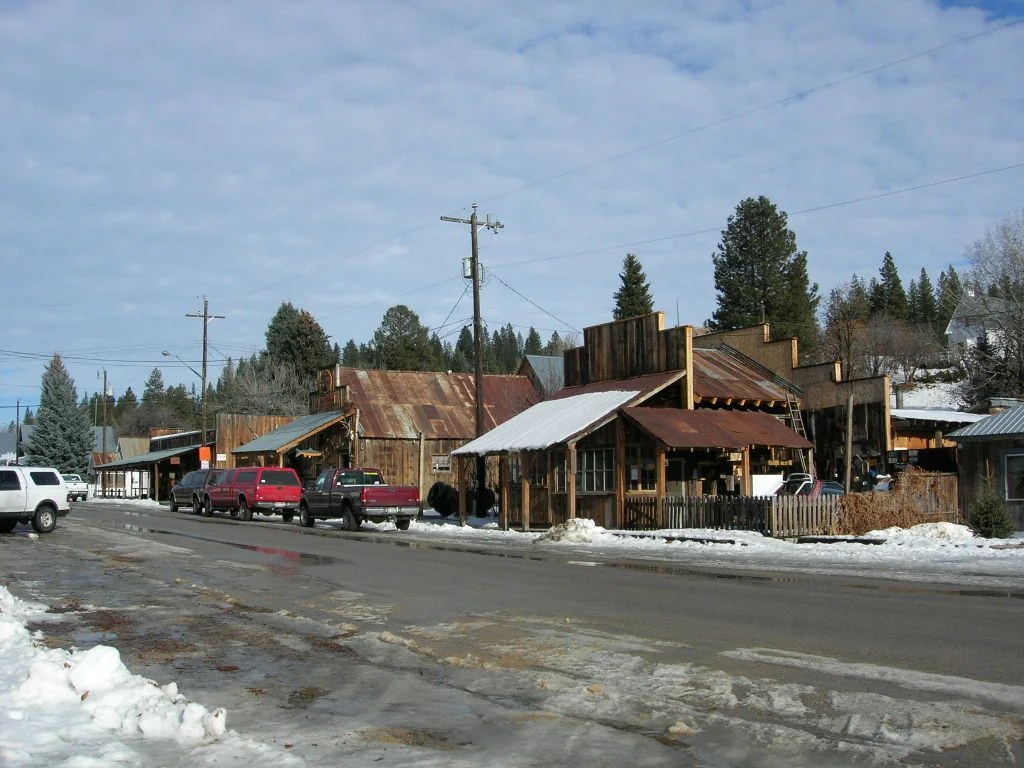


Idaho City is a mountain community where an insurance description needs more detail than a mailing address. The compact town, wooded surroundings and dispersed homes beyond it do not present one uniform property setting. A house near the town center and a cabin reached by a steep private drive require different explanations, particularly when the application asks about access or fire protection.
If an insurer has declined or nonrenewed your home, start with those distinctions. A specialist can evaluate a clearer submission when it identifies the actual parcel, building use, responding district and surrounding conditions. There may be further paths to explore, but a local name alone cannot promise that a company will accept the property.
Separate Idaho City from the wider county
Boise County and the City of Boise are different jurisdictions. This matters when an owner collects plans, agency contacts or fire-protection information online. For Idaho City, the Boise County emergency-management and planning resources are the appropriate county starting points. Do not substitute an Ada County program because a search result contains the word Boise.
The county’s 2023 Community Wildfire Protection Plan identifies multiple participating fire departments, including Idaho City Fire Protection District. That planning collaboration does not mean that every department serves every address. Ask the relevant district to confirm the property’s service information and obtain an accurate description of available water supply. Keep the response with the application rather than estimating from a map pin.
Give mountain access its own inspection
For a home outside the compact town, photograph the approach from the public road to the building. Include gates, tight turns, bridges and the place where vehicles turn around. Record who maintains the road and whether access depends on a private agreement. These details help an agent ask informed questions without making unsupported promises about emergency response.
Highway 21 is a geographic connection, not a universal evacuation instruction. A household should know which official county sources provide restrictions and directions during an incident. Have a plan for family members who are away when a warning arrives, and identify who can help visitors unfamiliar with mountain roads. Do not assume a recreation route is a usable alternative.
Describe the house within its wooded setting
Take a slow walk around the structure while conditions are safe. Look at roof edges, the ground beneath decks, woodpiles, outbuildings and branches close to walls. Then photograph the transition from the maintained area into surrounding vegetation. A sequence showing both near-home conditions and the wider slope gives a more complete picture than a scenic photograph through the trees.
Bring those observations to a qualified assessor or local fire professional. Ask for a prioritized work plan that accounts for terrain and property boundaries. Removing everything is not a sensible default, and work beside a creek or on neighboring land may involve additional considerations. Record recommendations separately from completed tasks so there is no confusion about what has actually changed.
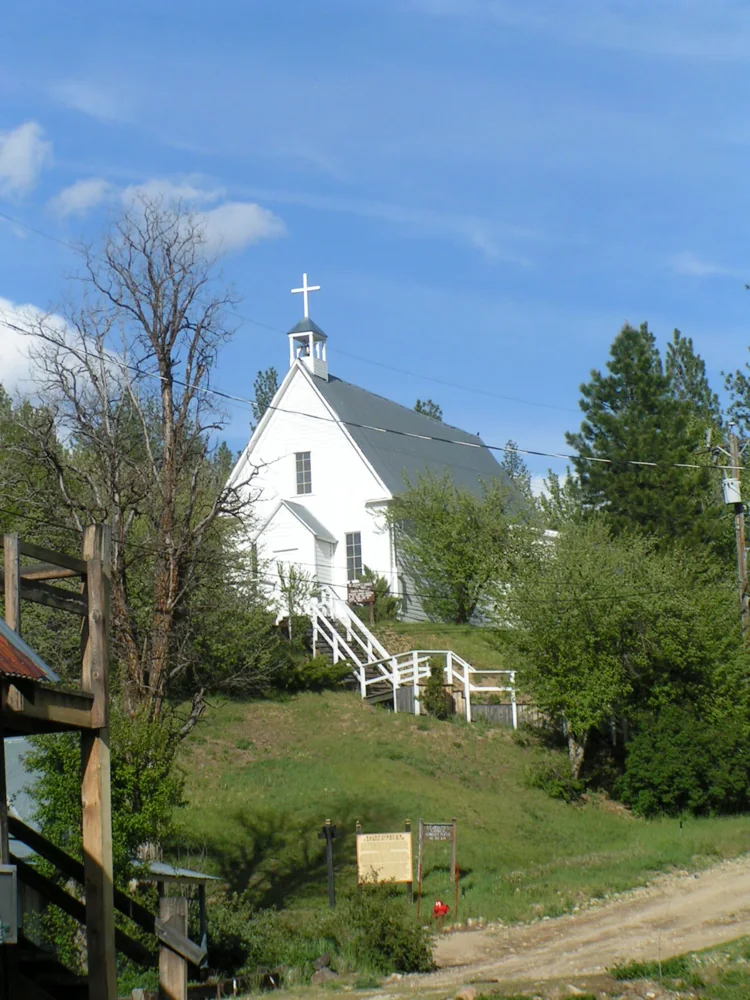

Older cabins need a construction story
Where a house has been expanded or renovated, explain the building as it exists now. List the age and type of the roof, heating equipment, electrical updates and additions. Photograph a covered porch or attached storage area that might otherwise be missing from the insurer’s description. Identify detached garages, workshops and guest buildings, including their actual uses.
A rustic appearance does not reveal the condition of wiring, roof assembly or chimney. Keep contractor invoices and inspection results available. If repairs are incomplete, say so. For a purchase, request records early enough to understand both the physical condition and the insurance requirements before relying on a hoped-for closing date. Our coverage-options guide can help frame the questions.
Seasonal occupancy changes the conversation
A part-time mountain home should be described as part-time. Explain when it is occupied, whether anyone rents it, and who checks it during absences. If family members use the cabin informally, explain that arrangement too. The goal is to let the licensed professional select an appropriate policy conversation, rather than discovering an occupancy mismatch after a loss.
Keep emergency planning practical for that use. Store a copy of local authority links where guests can find them. Make the address visible and give a trusted local contact the information needed to reach the owner. A remote camera can supply useful observations, but it should not replace scheduled maintenance or justify re-entering an evacuated area to check the house.
What to ask before accepting a quote
Ask how the dwelling amount was estimated and whether it reflects the actual materials and mountain access. Review separate buildings, contents and temporary living arrangements with the agent. Discuss the applicable deductible and any conditions related to inspection or required repairs. Put answers in writing alongside the quote so competing proposals can be compared consistently.
If wildfire smoke, road closure or a nearby burn concerns you, ask how each policy would respond to those circumstances. Do not assume that a fire-related disruption is automatically covered. The Idaho Department of Insurance’s consumer resources provide a separate place to ask questions about policy issues and the claims process.
Check the address in every record
A rural Idaho City file can become confusing when the parcel description, mailing address and directions use different landmarks. Check the application against the legal parcel and the address recognized by local responders. Explain any difference instead of allowing a reviewer to assume that two records concern separate buildings.
For a cabin purchase, ask the seller who maintains the approach and where the documentation is kept. A verbal description such as easy year-round access is not the same as a maintenance agreement. Accurate records help both the insurance discussion and your practical understanding of the property.
Turn a difficult renewal into a documented next step
Gather the written notice, current policy, prior claims and completed repairs. Then add a one-page description of access, occupancy and fire protection. If an assessment leads to improvements, preserve dated before-and-after photographs. Our nonrenewal guidance explains how to keep the notice date and replacement search organized.
The county’s planning and fire-management pages are useful ongoing references, but an older plan is not a live incident bulletin. Recheck emergency information when conditions change. A careful application and a prepared household are both worthwhile, even though neither guarantees a policy offer or the outcome of a wildfire.
Explore the Idaho guides
Read the Idaho wildfire insurance overview for state resources and questions about available insurance paths.
Common questions
Is Idaho City covered by the same resources as Boise?
Not automatically. Idaho City is in Boise County, while Boise city resources often concern Ada County. Start with Boise County and the district serving the exact parcel. Using the right jurisdiction avoids misleading information about local plans, road services, emergency notices and fire protection in an insurance application.
What should I show an agent about a private mountain driveway?
Provide clear photographs, the road-maintenance arrangement and any known gate or bridge information. Identify the responding district and ask whether additional documentation is needed. Do not invent a response time or assume that the nearest station on an online map is responsible for the property.
Should I describe my Idaho City cabin as a primary residence?
Only if that accurately reflects its use. Tell the professional about seasonal occupancy, rental activity, extended absences and who maintains the property. Also disclose separate guest buildings. Correct information allows the coverage discussion to address the property you actually own and use.
Does appearing in a county wildfire plan determine my premium?
A county plan supports community coordination and mitigation priorities. It does not quote insurance for your individual house. Ask the prospective insurer what property information it uses and whether an assessment or completed improvements can be considered. Keep community planning records distinct from any carrier-specific decision.
Sources and further reading
- Boise County: emergency management
- Boise County: 2023 Community Wildfire Protection Plan
- Boise County: planning and zoning
- Boise County: fire management
- Idaho Department of Insurance: homeowners resources
Program rules and insurance terms can change. Check the linked agency or program before relying on eligibility, coverage, or local requirements.
General educational information. This website does not issue policies, bind coverage, or provide emergency alerts. Coverage and eligibility require individual review.