.jpg)
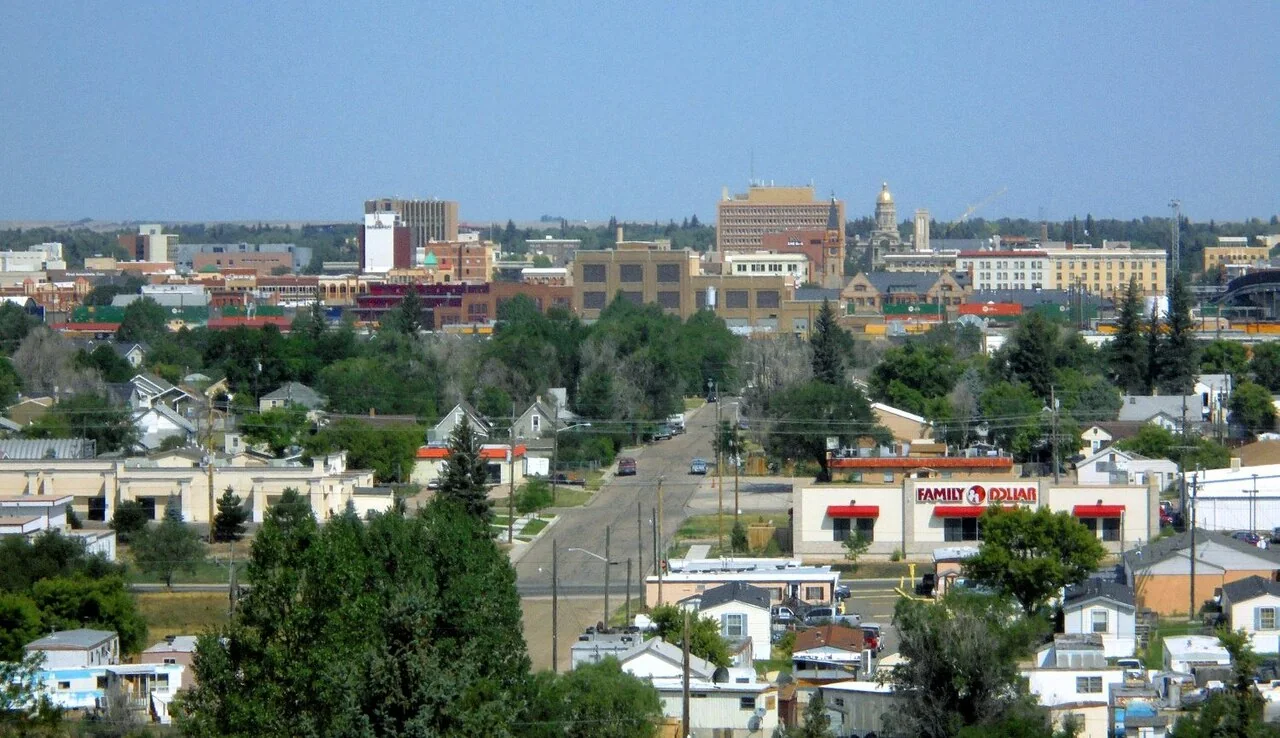
Wyoming homeowners can face different insurance questions on open prairie, at a forest edge or along a mountain access road. A broad risk description cannot tell you whether a specific company will insure the property. A useful review combines accurate information about the home with the proposed policy's protection, conditions and rebuilding limit.
Begin with an individual private-market review
Compare private-market coverage with a licensed Wyoming agent and ask what additional specialty markets may be appropriate. Use the Wyoming Department of Insurance's fire-loss prevention resources for consumer and preparation context. Confirm current FAIR Plan or other residual-market availability directly with the Department and your agent before depending on a fallback.
Describe the property's use accurately, including seasonal occupation, rental activity and detached buildings. Explain unfinished work or changes since the previous application. The goal is a policy based on the real home, with any conditions understood before coverage begins.
Local questions across five Wyoming areas
The landscape descriptions below help focus a property discussion. They do not assign a risk grade to every home in a city. Document nearby vegetation, slope, the building itself and access conditions, then ask which observations matter to the insurer's review.
| City / area | Why wildfire / brushfire exposure varies | State FAIR Plan? |
|---|---|---|
| Cheyenne | Wind-exposed prairie, sage and ponderosa foothills; review the vegetation, access and construction at the actual property. | Check current status with Wyoming DOI |
| Casper | High plains grass, sage and Casper Mountain forest; review the vegetation, access and construction at the actual property. | Check current status with Wyoming DOI |
| Laramie | High prairie, granite terrain and Snowy Range forest; review the vegetation, access and construction at the actual property. | Check current status with Wyoming DOI |
| Cody | Sage basin, canyon wind and Shoshone forest; review the vegetation, access and construction at the actual property. | Check current status with Wyoming DOI |
| Jackson | Sage valley, forested slopes and narrow mountain corridors; review the vegetation, access and construction at the actual property. | Check current status with Wyoming DOI |
Compare protection for the whole property
Ask the agent to explain the following points for each viable quote. A difference in premium may reflect a different settlement basis, deductible or scope of protection.
- Wildfire terms: Confirm whether fire and wildfire are covered, including any relevant exclusions, endorsements or conditions.
- Rebuilding estimate: Check how the dwelling limit was calculated and whether replacement cost or actual cash value applies. Ask about demolition and code-related costs.
- Detached buildings: List garages, workshops and other structures, their use and any special limits. Do not assume one dwelling amount covers everything.
- Displacement: Review additional living expense coverage and its limits. Ask how seasonal use changes the proposed arrangement.
- Contents and liability: Check personal property, liability and all applicable deductibles, and identify any companion policy needs.
Review inspection and repair obligations as carefully as the premium. If an offer depends on work being completed, ask for the required scope, deadline and acceptable evidence in writing. A request for documents is not confirmation that coverage has begun.
Work backward from the nonrenewal date
- Keep the insurer's notice and record the effective date and stated reason. Save related correspondence in the same folder.
- Ask if updated records, corrected information or improvements can receive another review. Keep pursuing alternatives while that request is pending.
- Collect the current declarations, roof and system details, claim dates, repair records and dated exterior photographs.
- Have an agent review suitable markets using a complete submission. Track outstanding inspections and conditions rather than only quoted prices.
- Obtain written confirmation of replacement coverage and the effective date. Check mortgage requirements and coordinate cancellation to avoid a gap.
For concerns about the notice or insurer process, contact the Department of Insurance. Our nonrenewal guide can help you prepare the questions and records for that conversation.
Use county plans without confusing them with insurance
Wyoming State Forestry publishes county wildfire protection plans and fuels-mitigation resources. A county plan can identify community priorities and help you start a discussion with local fire officials. It does not replace an assessment of your home or an insurer's own underwriting.
Ask local professionals which vegetation, construction and access issues warrant attention. Keep receipts, dated photographs and contractor descriptions for completed work. A wider photograph showing the improvement in relation to the house can complement a close-up. Establish a maintenance plan for properties left unattended between visits.
Before spending primarily to satisfy an insurer, ask what it requires and whether it will review the evidence. A mitigation grant, county plan or completed project is not insurance and does not guarantee acceptance, renewal or a premium reduction.
Account for Wyoming's open land and mountain settings
A Wyoming home on an open high-plains parcel and one near wooded mountain terrain should not be described identically. The relevant questions concern the building, surrounding vegetation, nearby structures, and the way the home connects to its surroundings. Use the local guide to organize those questions without treating a city name as a parcel-level assessment.
Show detached shops, sheds, stored materials, fences, and vegetation boundaries in the property record. If the home has seasonal access or seasonal occupancy, explain those conditions accurately to the professional reviewing it. A photograph taken during one visit may not establish the condition through the year.
Make rural property information easy to verify
Identify the fire district or local authority responsible for the address and ask which preparedness resources are available. Confirm service and access information rather than inferring it from a road map. The questions asked by an insurer should be answered using reliable records or the appropriate local contact.
Keep any assessment recommendations separate from a carrier's written property requirements. If the insurer requests work, ask what must be done and how completion is demonstrated. An invoice proves a transaction occurred, while photographs, an inspection, or other evidence may answer different questions about the resulting condition.
Review wildfire coverage together with dwelling valuation, other structures, belongings, liability, and living expenses. Ask whether a proposed deductible or exclusion differs from the current policy. If you are comparing more than one contract, identify the role of each instead of assuming their combined protection is comprehensive.
For a nonrenewal, maintain a dated action list that shows the policy ending date and outstanding replacement requirements. Continue following up while documents or inspections are pending. A quotation or conversation about eligibility is not the same as confirmation of a policy in force.
Wyoming's state insurance resources can help clarify consumer processes, while forestry and local agencies guide preparedness. Keep emergency instructions separate from routine insurance work, and refresh the file when property use, claims, repairs, or surrounding conditions change.
Common questions
Can a Wyoming county wildfire plan tell me if my house qualifies for insurance?
No. A county plan helps with community preparedness priorities. Insurance eligibility requires a separate review of the property, the proposed policy and the insurer's requirements.
Where should I check Wyoming FAIR Plan availability?
Confirm current residual-market availability with the Wyoming Department of Insurance and a licensed agent. Do not rely on an old state-by-state list or confuse a mitigation assistance program with a policy.
Should I include a workshop in the application?
Yes. Describe detached structures and their actual use, including any business activity or storage. Ask the agent to confirm how each is insured and whether separate coverage or an endorsement is needed.
What if the insurer requests work before renewing?
Ask for the scope, deadline and evidence requirements in writing. Clarify whether completing the work permits reconsideration or satisfies a stated condition, and continue exploring alternatives until renewal or replacement is confirmed.
Sources and further reading
- Wyoming insurance fire-loss prevention
- Wyoming Forestry fire management
- Wyoming fuels mitigation
- Wyoming county wildfire plans
Program rules and insurance terms can change. Check the linked agency or program before relying on eligibility, coverage, or local requirements.
General educational information. This website does not issue policies, bind coverage, or provide emergency alerts. Coverage and eligibility require individual review.