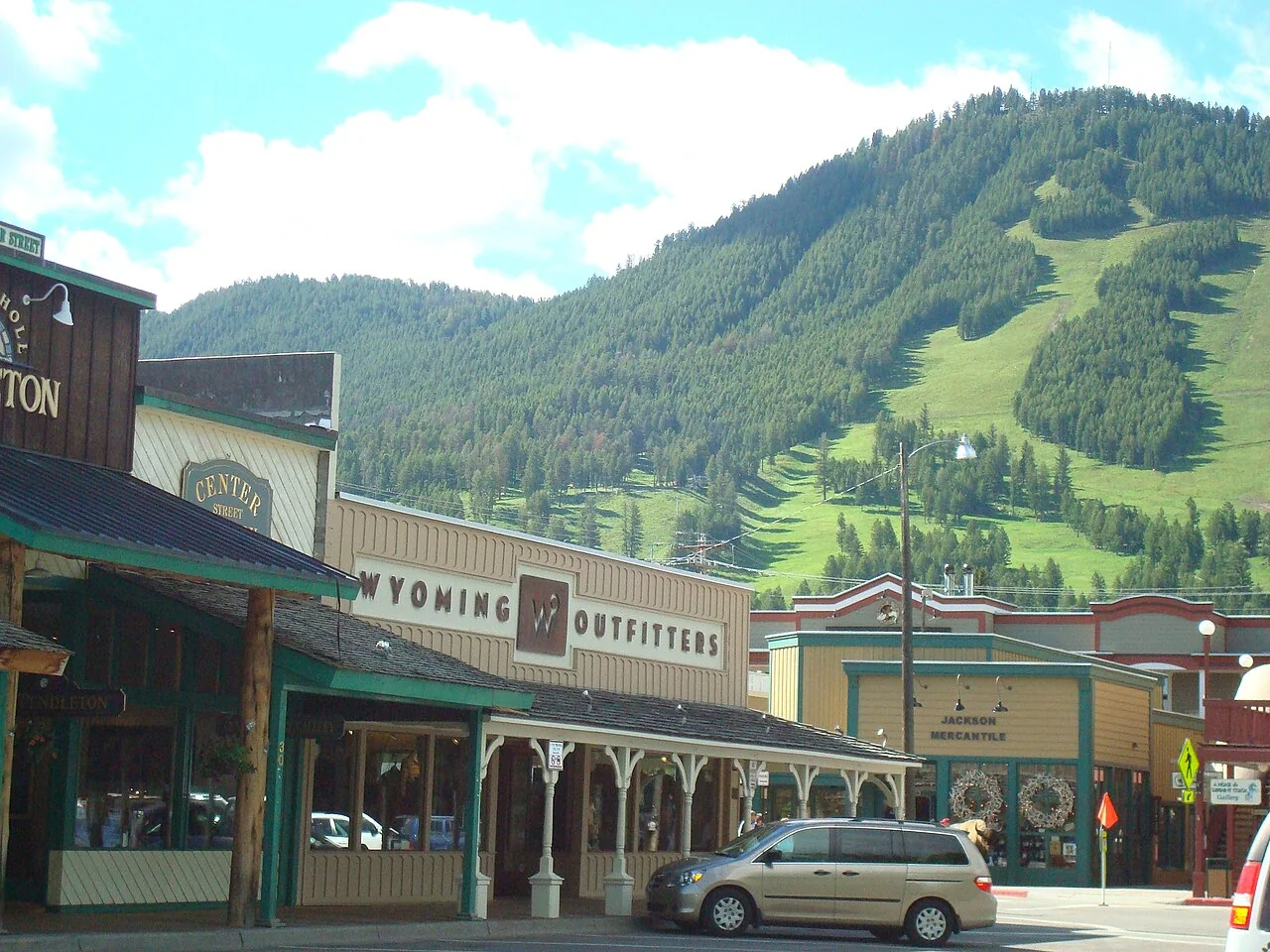

Jackson and Jackson Hole are often used together in conversation, but a town property and a home elsewhere in the valley should not receive an identical description. A developed street, an open sage landscape and a forested slope raise different questions. Insurance preparation begins with the actual parcel, its jurisdiction and its relationship to surrounding land.
Snow King brings mountain terrain directly into Jackson's local planning conversation, while the wider Teton County landscape includes other distinct communities and settings. A scenic mountain photograph can establish place, but it cannot explain the roof, deck or driveway at your home. Those are details to document for a property-specific review.
Begin with the local Wildfire Risk Overview
Teton Conservation District describes a Wildfire Risk Reduction Program that includes site visits and voluntary recommendations for eligible properties. Its overview request form is a practical starting point for asking about the house and surrounding land. Confirm the current service area, process and any available project assistance directly with the district.
Prepare a short list of questions before the visit. Which features beside the home deserve attention first? What work requires a contractor or another owner's permission? How should ongoing maintenance be recorded? Bring any insurer notice so the assessor can understand the concern, while recognizing that the assessment and insurance underwriting are different processes.
Keep the resulting report with your records. Ask the licensed agent whether a particular company will consider it and what additional evidence is required. A local overview can improve the quality of the information, but it does not establish that an insurer will offer coverage or change its premium.
Use the Teton County plan at the right scale
Teton County publishes a 2024 Community Wildfire Protection Plan and related wildfire resources. Those materials support community planning and help residents find preparedness information. They should not be described as an individual insurance decision or as proof that all homes in a mapped area have identical exposure.
For a property near a slope or wooded edge, ask how its building and landscaping interact with the surrounding terrain. For an open valley property, show the grasses, shrubs and connections between structures. In the town, include neighboring buildings and shared features where relevant. A site review should follow the actual setting rather than assuming that only forested parcels deserve attention.
Snow King proximity alone cannot answer the insurance question. Document the precise surroundings from safe viewpoints on the property. Avoid borrowing another neighborhood's mitigation history or classification simply because it shares the same mountain backdrop.
Confirm requirements before changing the exterior
Teton County's wildfire resources direct building projects to Wildland Urban Interface information and mapping. Ask the responsible town or county authority how the applicable requirements relate to your parcel and proposed work. The answer may depend on the project's scope and location, so obtain guidance before committing to materials or a contractor.
If the insurer requests a roof, vent, siding or deck improvement, put the requested condition beside the local construction guidance. Ask whether the proposed work addresses both. A general mitigation recommendation and an insurer's particular requirement may overlap without being identical. Resolving that difference early can prevent an expensive misunderstanding.
Retain the permit record where applicable, product information and completed-work photographs. Show the improvement in context as well as in close-up. If the property has multiple roof types or exterior materials, describe each rather than choosing one label for the entire building. Accurate details make the submission easier to evaluate.

Explain roads, gates and shared responsibilities
For a property outside the ordinary town street network, identify the access arrangement. Note private roads, gates and shared maintenance responsibilities. Gather existing specifications if a bridge or other feature is relevant to the insurer's questions. Obtain water-supply information from the responsible authority instead of assuming a nearby stream or pond settles the issue.
If an association controls roads or surrounding land, request its maintenance documents and any completed mitigation records. Identify who can authorize future work. The homeowner should explain personal responsibilities and association responsibilities separately. Promising changes to land or infrastructure you do not control can create confusion during underwriting.
Emergency planning is a different task from describing normal access. Follow Teton County and local officials during an incident, including current closures and directions. A familiar travel corridor is not a guaranteed evacuation route. Keep household communication and assistance plans current, particularly when people may be at work, school or away from the valley.
Make seasonal occupancy part of the insurance conversation
If the Jackson property is a second home, rented residence or seasonally occupied house, explain that arrangement precisely. Identify who checks it during absences and who handles exterior maintenance. A property manager's presence should be described as it actually occurs rather than treated as continuous occupancy.
Ask the maintenance contact to record changes after landscaping, contractor work or significant weather. Current photographs of roof edges, decks and near-home storage can help an owner understand the condition remotely.
Review reconstruction and interruption questions carefully
Describe custom construction, substantial decks, detached garages, workshops and other features. Ask the agent to examine the reconstruction estimate and identify any missing assumptions. Sale price, land value and mortgage balance do not automatically equal the cost of rebuilding the insured structures.
Compare loss settlement, additional living expense, debris removal and ordinance or law provisions. If the property earns rental income, ask how the offered policy addresses interruption to that permitted use. Do not assume that every homeowners provision applies the same way to a rental or seasonal arrangement. Read material exclusions and inspection conditions before accepting an offer.
Provide claim dates and repair records alongside the wildfire documentation. If a notice identifies multiple concerns, respond to each explicitly. Our insurance options guide helps organize policy comparisons, and the nonrenewal guide helps track a time-sensitive search.
Keep the record useful after the first review
A local overview is a starting point, not a permanent description of the property. Update photographs and maintenance notes after meaningful changes. Keep unfinished recommendations clearly labeled and avoid presenting anticipated assistance as approved funding. Share the insurer's deadline early so a specialist agent can evaluate available paths while additional information is gathered.
Jackson's local planning and conservation resources provide a constructive way to begin. Combine them with honest construction, access and occupancy details. That creates a clearer insurance conversation while preserving the distinction between preparedness advice and the terms an insurer is actually willing to offer.
Explore the Wyoming guides
Read the Wyoming wildfire insurance overview for state resources and questions about available insurance paths.
Common questions
Where can a Jackson homeowner request a wildfire property overview?
Teton Conservation District publishes a Wildfire Risk Overview request process. Confirm eligibility, scheduling and current program terms directly. Keep the resulting recommendations and ask your agent what additional documentation an insurer needs before treating the overview as part of an application.
Does Teton County’s wildfire plan determine my insurance eligibility?
No. It is a community planning resource. Use it to understand local context and develop questions, then obtain a property-specific assessment where appropriate. Insurance companies make their own decisions based on the information and underwriting rules applicable to the submitted home.
Should I ask about WUI requirements before replacing exterior materials?
Yes. Contact the town or county authority responsible for the parcel and explain the proposed work. Confirm applicable requirements before purchasing materials. Ask the agent separately whether the planned change addresses the insurer’s stated concern and what completion evidence will be needed.
What makes a seasonal Jackson property review different?
The agent needs the actual occupancy pattern, any rental use and the maintenance arrangements during absences. Include property-manager responsibilities and detached structures. Those details help distinguish the home’s real use from assumptions associated with a continuously occupied primary residence.
Sources and further reading
- Teton Conservation District: Wildfire Risk Reduction Program
- Teton Conservation District: Wildfire Risk Overview request
- Teton County: Wildfire resources and WUI information
- Teton County: 2024 Community Wildfire Protection Plan
- Town of Jackson: Snow King Master Plan
Program rules and insurance terms can change. Check the linked agency or program before relying on eligibility, coverage, or local requirements.
General educational information. This website does not issue policies, bind coverage, or provide emergency alerts. Coverage and eligibility require individual review.