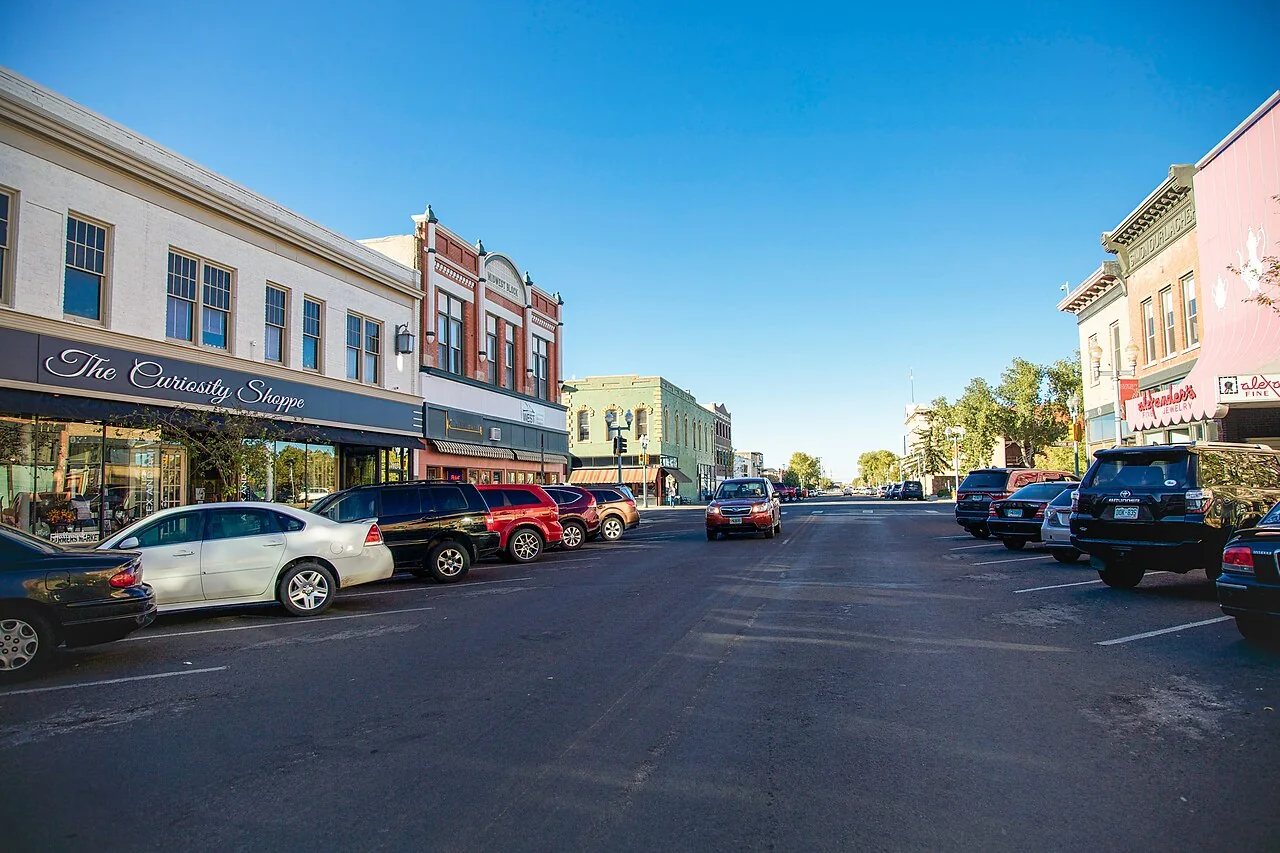

The first useful clarification is administrative: the City of Laramie is in Albany County. Laramie County is a different jurisdiction. Searching only the shared name can send a homeowner to the wrong wildfire plan, fire office or emergency instructions. Confirm the address before using a resource to describe insurance protection or property requirements.
The second clarification is physical. A residence in a developed Laramie neighborhood, a house at the prairie edge and a cabin in a mountain setting do not have identical surroundings. If an insurer raises a wildfire concern, describe the actual building and location rather than relying on the broad image of a Wyoming mountain home.
Use Albany County's wildfire plan for local planning context
Albany County's Community Wildfire Protection Plan resource explains the purpose of collaborative planning for hazardous fuels, preparedness and reducing structure ignitability. The county's Fire Warden page provides a related official contact point.
Use the plan to understand local priorities and to frame questions about a property. It does not issue an insurance quotation or establish the premium for an individual address. If you share a planning map with an agent, label its source and date, then add current photographs and building details. Community planning and underwriting answer different questions.
Pole Mountain and Vedauwoo should not be confused with downtown Laramie
The Forest Service's Vedauwoo information describes granite formations on Pole Mountain within the Laramie Ranger District. The Wyoming State Geological Survey also explains the area's Sherman Granite. Those are specific nearby landscapes, not a description of every Laramie residential block.
For a property in that broader setting, describe the vegetation around the building as carefully as the rock formations. Bare rock visible in a panorama does not tell a reviewer whether shrubs, needles or stored wood touch the structure. For a city residence, concentrate instead on the actual yard, fences, accessory buildings and neighboring construction.
Likewise, a Snowy Range cabin west of the city should not be submitted as though its access and occupancy match a house in town. Name the real location and explain the approach, utilities and use. Regional photographs can illustrate a guide; your property photographs must establish the site being reviewed.
Prairie-edge homes need a ground-level description
For a house beside open country, show how grass or other vegetation meets the maintained yard, fences and outbuildings. Include stored equipment and any detached workshop. A long-distance mountain view may be attractive, but the material nearest the residence is the more useful subject for an initial property record.
Ask a qualified professional which vegetation and building improvements are appropriate. Avoid making large-scale changes on the strength of an insurance article alone. Work needs to account for ownership, local requirements and the specific site. Keep photographs and completion records for approved projects, with clear distinctions between finished work and future intentions.

Confirm fire response and access instead of estimating them
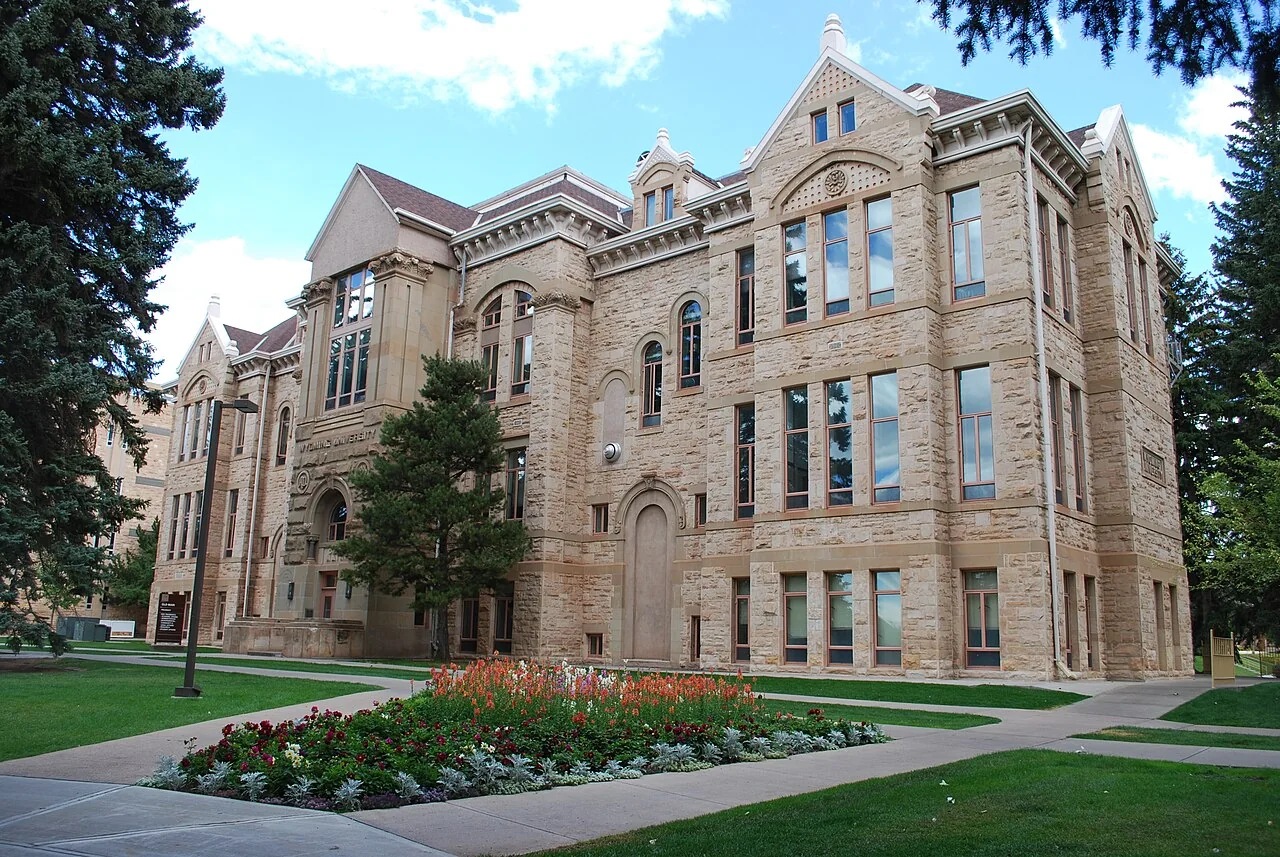
The City of Laramie's Emergency Communication Center describes dispatch relationships involving city and county agencies, including rural fire organizations. That provides useful local context while reinforcing the need to identify the agency serving your address. A city mailing name does not alone establish the protection arrangement.
For a private lane, document the entrance, signage, gate and turning space. Ask how access is maintained through the periods when the residence is occupied. If a map shows a second road, confirm that it is legally usable and physically suitable before describing it as an alternative. Forest roads and recreational tracks should not be assumed to provide residential emergency access.
Provide verified station or water-supply information in the manner the insurer requests. Do not turn a nearby lake, a straight-line map measurement or a neighbor's estimate into an application fact. A clear statement that information is being confirmed is preferable to a precise-looking but unsupported number.
Occupancy is particularly important for cabins and second homes
Tell the agent whether the residence is occupied throughout the year, visited periodically or rented. Explain who checks it when you are away and whether a separate building houses guests. If a home near Laramie supports a business or contains equipment used commercially, include that information rather than treating every structure as ordinary household storage.
Ask how the proposed coverage fits that use. A seasonal dwelling, a long-term rental and a primary home may require different discussions about the building, belongings and liability. If the arrangement changes, update the agent promptly. An accurate occupancy statement matters even when wildfire was the reason you began shopping.
Organize the property evidence before comparing offers
Collect the declarations and any carrier notice, then identify the stated reason and effective date. Record the construction year, roof installation date, exterior materials and significant updates using available documents. Explain discrepancies between older records and the present structure. A completed addition or replacement roof should be described with dates and supporting evidence.
List claims by cause and date, including the status of repairs. For new mitigation work, supply photographs that show both the detail and its relationship to the building. A close view of a vent can identify the product; a wider elevation shows where it was installed. Neither photograph alone establishes a guaranteed insurance outcome.
The Wyoming Department of Insurance's fire-loss prevention resource links to mitigation information. Use that as a source of questions for an appropriately qualified professional and the insurer. Ask which improvements the company considers and what documentation it requires before assuming that a project will affect eligibility or price.
Review the recovery provisions for the property you actually have
Ask how the dwelling estimate reflects construction, finishes, access and detached structures. A land purchase price or scenic setting does not replace an estimate of rebuilding the residence. Discuss personal property, fire deductibles, debris removal and the terms relating to smoke damage. For a cabin with specialized features, make sure those details reach the person preparing the estimate.
Review any temporary living expense provisions, including conditions and limits, and ask how the policy treats the property's actual occupancy. If one insurer declines, a licensed specialist may be able to assess other markets, including appropriate surplus-lines options. Compare complete contracts and fees rather than treating a preliminary quotation as confirmed coverage.
Keep local emergency planning separate from insurance decisions
Follow Albany County, the City of Laramie and relevant land managers for current instructions. Prepare communication, medication and pet arrangements before an incident. A highway named for regional orientation is not a permanent evacuation recommendation, and a road open during one visit may not be available during an emergency.
Keep important records accessible away from the dwelling. If officials direct you to leave, do so rather than waiting to finish documentation. A well-organized insurance file should support recovery planning, while your household plan remains focused on getting people to safety.
Explore the Wyoming guides
Read the Wyoming wildfire insurance overview for state resources and questions about available insurance paths.
Common questions
Should a Laramie homeowner use Laramie County’s wildfire plan?
Start with the correct jurisdiction. The City of Laramie is in Albany County, whose official resources are linked here. Laramie County is separate. Confirm the parcel location before relying on a county plan or contact for property-specific questions.
Does a Vedauwoo photograph describe wildfire exposure at my Laramie home?
No. It illustrates a nearby regional landscape. Your submission needs photographs of the actual building, vegetation, access and adjacent structures. Do not treat a scenic granite formation as a protection feature unless it genuinely relates to the property being reviewed.
What should I explain about a seasonally occupied cabin?
State how often it is occupied, whether it is rented and who checks it between visits. Identify outbuildings and access arrangements. Ask the agent which coverage fits that pattern rather than assuming a year-round residence description is suitable.
Does Albany County’s CWPP determine insurance eligibility?
No. It supports community planning, fuels work and preparedness. The insurer reviews its own criteria for the individual property. Use the county plan as background and pair it with current construction records and the evidence requested by the agent.
Sources and further reading
- Albany County: Community Wildfire Protection Plan
- Albany County: Fire Warden
- City of Laramie: Emergency Communication Center
- USFS: Vedauwoo Recreation Area on Pole Mountain
- Wyoming State Geological Survey: Vedauwoo
- Wyoming Department of Insurance: Fire-loss prevention
Program rules and insurance terms can change. Check the linked agency or program before relying on eligibility, coverage, or local requirements.
General educational information. This website does not issue policies, bind coverage, or provide emergency alerts. Coverage and eligibility require individual review.