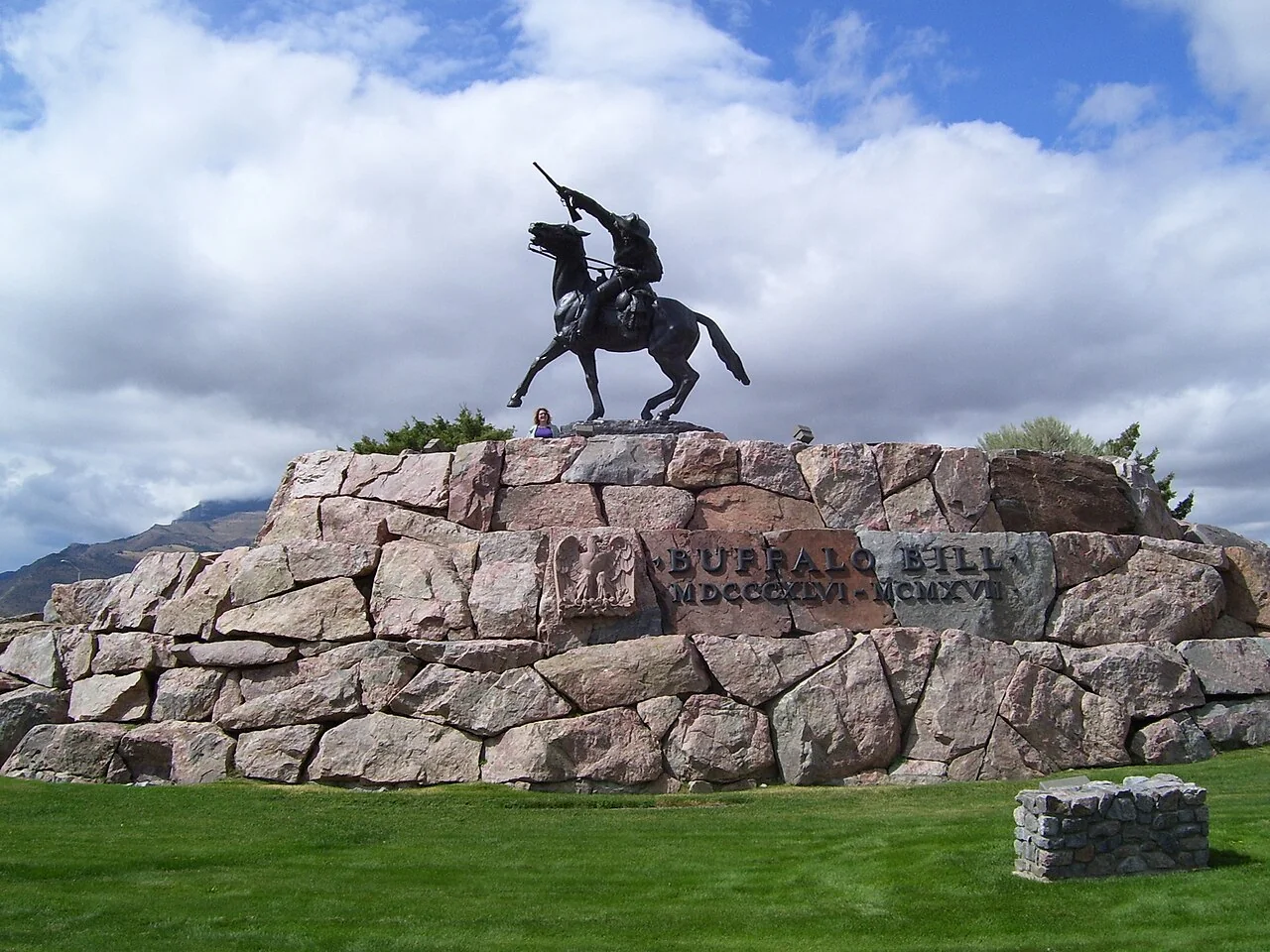

Cody’s wildfire insurance conversation begins with a geographic distinction. The city occupies a basin setting along the Shoshone River, while the route west leads through the North Fork corridor toward the Wapiti Valley and national-forest country. A developed city lot and a rural mountain property should not be described as the same setting merely because both use Cody as a reference point.
If an insurer has declined your home, ask what specific information drove the decision. Then prepare a submission that describes the actual building and parcel. A licensed professional may be able to explore further options, but the first job is to replace a broad regional label with clear facts.
Put the Shoshone landscape in its proper context
The City of Cody’s official description notes that the Shoshone River passes through city limits in a canyon. Farther west, the federally published Buffalo Bill Cody Scenic Byway description follows U.S. 14/16/20 along the North Fork through Wapiti Valley. These are useful geographic references for explaining why properties around Cody can have different terrain and surroundings.
They are not evacuation directions or insurance ratings. For your parcel, show whether the home sits beside open grass or sage, above a drainage, or near wooded ground. Include the relationship between the maintained yard and adjacent land. Do not borrow conditions from a distant scenic corridor and present them as facts about a city house.
Document access before it becomes an urgent question
For a rural property, provide photographs of the driveway, gate, public-road connection and turnaround space. Identify any private road or bridge involved in reaching the house. Ask local authorities about the information they can verify, and ask the insurer what measurements or records it requires. Do not invent a response time based on a driving app.
The North Fork highway is a familiar landmark, but familiarity does not establish its condition during an incident. Park County Homeland Security and Emergency Management is the county resource for broader emergency preparation. Learn where current instructions are issued and build a household communication plan before smoke or closures create pressure.
Describe buildings and their uses separately
A Cody-area property can include more than a dwelling. Where there are barns, guest buildings, workshops or storage structures, list each one and explain what happens inside. Identify rental, business or agricultural use rather than assuming the word residential covers every activity. Keep photographs that show the separation between buildings and nearby vegetation.
For equipment, vehicles and valuable contents, ask which policy should address them. A homeowners quote may not be the whole insurance arrangement for a mixed-use property. Clarifying the uses at the beginning is more efficient than comparing premiums for proposals based on inconsistent assumptions.
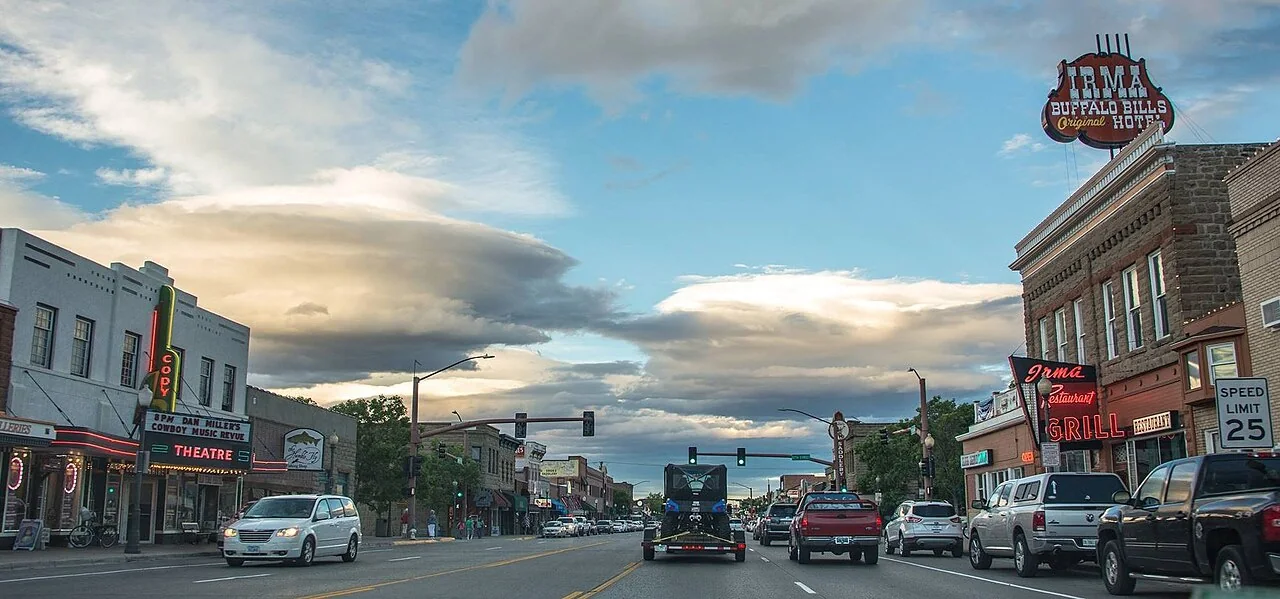

Make mitigation appropriate to an open, windy setting
Do not evaluate a property only by counting large trees. Grass, brush, stored materials and connected fences deserve attention too. Ask a qualified local professional to inspect the house and its immediate surroundings. Include roof edges, vents, deck supports and the transition from the yard to less-managed land.
Record priorities rather than making an unsupported claim that all exposure has been removed. A useful work record identifies the task, location, completion date and contractor when applicable. For larger vegetation work, confirm ownership, permits and disposal arrangements first. The Wyoming Department of Insurance’s fire-loss-prevention resource links mitigation information that can support the discussion.
Keep private work distinct from national-forest activity
The Shoshone National Forest provides official information about its districts, management and restrictions. For an owner near forest land, that information can explain the wider setting. It does not give permission to alter federal land or establish that a public project has removed the hazard at a neighboring home.
If a project is relevant to an insurance submission, cite the actual official description and show where the property is in relation to it. Keep that context separate from your own completed work. Ask the agent whether the prospective insurer wants it. A large folder of unrelated forest documents can obscure the basic facts the reviewer needs.
Ask how the home would be rebuilt
Discuss the construction description and dwelling estimate with the licensed professional. Distinctive materials, recent additions and difficult site access should be explained accurately so the estimate can be reviewed on its assumptions. The market price of acreage or a mountain view is not itself a calculation of the cost to replace the building.
Compare deductibles, other structures, contents and temporary accommodation benefits. Ask how inspection findings or unfinished repairs affect the proposal. If you are buying, coordinate the quote requirements with the closing timetable early. Our coverage-options guide helps organize questions without suggesting that every carrier uses the same terms.
Separate preparedness from claims expectations
Plan how people and animals will leave if directed, especially when a property includes livestock or visiting guests. Keep important documents available elsewhere. Use current official instructions and do not delay departure to finish taking photographs. Road and weather information should come from the agencies responsible for those conditions.
Ask the insurer beforehand how smoke, evacuation expenses or damage to outbuildings would be handled under the policy. Retain answers and reporting information with the contract. Good records can support a claim, but they do not establish that every expense or disruption is insured.
Keep tourism language out of the access description
A property may be marketed as a Yellowstone gateway or a North Fork retreat. Those phrases explain its appeal, but the insurance file needs the actual address, road arrangement and distance information requested by the company. Ask the seller or owner for records that support those facts. Clear documentation is especially useful when a rural property is being reviewed by someone unfamiliar with Cody.
Take a measured next step after nonrenewal
Collect the written notice, precise termination date, declarations and prior claim records. Add a short summary distinguishing the city or rural setting, access, occupancy and completed work. Our nonrenewal guide can help keep the process organized while a specialist evaluates possible markets.
The Wyoming Department of Insurance provides consumer assistance for policy and claim questions. Use that resource when you need clarification, and use Park County authorities for emergency planning. A difficult first answer can be discouraging, but a well-documented property review gives the next conversation a stronger factual foundation.
Explore the Wyoming guides
Read the Wyoming wildfire insurance overview for state resources and questions about available insurance paths.
Common questions
Should a Cody city house be described like a Wapiti Valley property?
No. Explain the actual parcel rather than importing conditions from the broader region. The city’s river-canyon setting and the North Fork corridor provide geographic context, but individual houses differ in vegetation, access and construction. Photographs and verified service information should describe the address being submitted.
Is U.S. 14/16/20 an evacuation route I can rely on?
This article uses the highway only as a geographic reference. Incident conditions and official directions determine which roads can be used. Prepare with Park County emergency resources and follow current instructions. Do not assume a scenic byway description or familiar travel pattern establishes a safe route.
What should I tell an agent about barns or guest cabins?
List each building, its use and significant contents. Explain rental, agricultural or business activity accurately. Ask whether the proposed policy addresses those uses or whether another coverage arrangement is needed. A building’s presence on the same parcel does not settle how it is insured.
Can nearby Shoshone National Forest work help explain my property?
Relevant official project information may provide context, but it should be accurately located and dated. Do not claim it guarantees protection or eligibility. Keep private improvements separate and ask whether the insurer wants the public-project material as part of the property review.
Sources and further reading
- City of Cody: geography and Shoshone River
- Recreation.gov: Buffalo Bill Cody Scenic Byway
- Park County Wyoming: emergency management
- USDA Forest Service: Shoshone National Forest
- Wyoming Department of Insurance: fire-loss prevention
- Wyoming Department of Insurance: consumer resources
Program rules and insurance terms can change. Check the linked agency or program before relying on eligibility, coverage, or local requirements.
General educational information. This website does not issue policies, bind coverage, or provide emergency alerts. Coverage and eligibility require individual review.