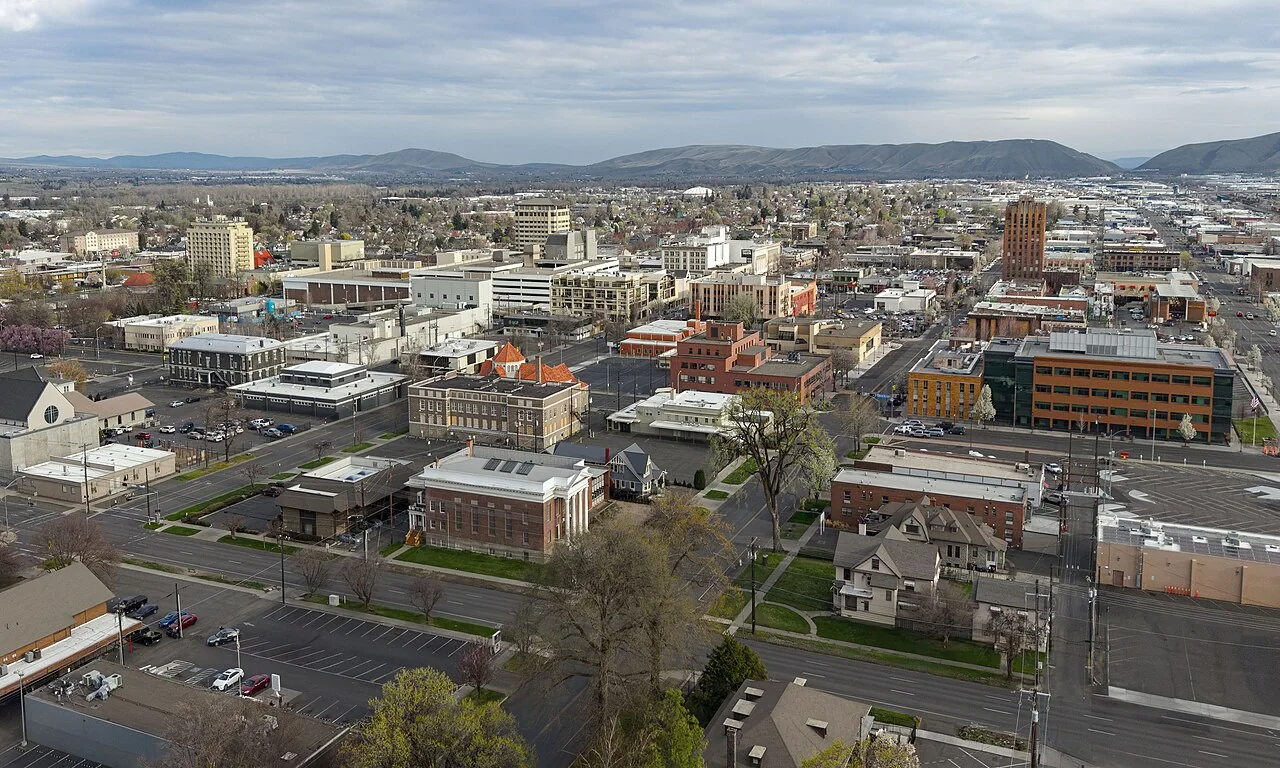

Yakima's landscape can change quickly between an irrigated yard, a working agricultural property and an open dry hillside. That visual contrast is important when describing a home for insurance. A photograph of green rows or lawn does not explain conditions beyond the maintained area, while a distant ridge does not establish how a particular dwelling is built or maintained.
If you are trying to replace coverage or insure a purchase, focus first on the facts you can verify. Identify the home's location, property use and deadline, then collect records showing the building and its immediate surroundings. A specialist agent can evaluate possible insurance paths more effectively with that detail than with a general description of “a house in the Yakima Valley.”
Cowiche Canyon illustrates the western transition
The Bureau of Land Management describes Cowiche Canyon and its adjacent uplands just outside Yakima as a substantial natural recreation area. The city also documents its Cowiche Canyon Trail project along Cowiche Creek. Together these resources show how close developed areas, creek corridors and open uplands can be in the western part of the valley.
For a residence near that setting, establish whether your parcel adjoins public land, private undeveloped land or another maintained home. Show the boundary and the vegetation immediately beyond it. A trail or creek may be a useful geographic reference, but it should not be represented as a guaranteed firebreak or a designated evacuation route. Ask the relevant local authority about access and maintenance concerns.
Irrigation is context, not an insurance promise
An orchard or landscaped yard can look very different across seasons and maintenance cycles. If the insurer asks about nearby vegetation, provide a current description and explain who controls it. Do not assume a neighboring owner's irrigation will remain unchanged, or describe land you do not manage as part of your own defensible space.
Look for discontinuities in the picture: a dry strip behind a fence, accumulated materials near an outbuilding or unmanaged ground between cultivated areas and the residence. These are prompts for inspection rather than claims that every Yakima orchard has a particular hazard. A local assessor can help determine which conditions deserve action and which land-use or habitat considerations limit the available work.
Distinguish household living from agricultural activity
A Yakima-area property with a home, equipment shed, fruit trees and a small sales activity may require more explanation than a standard residential application allows. Tell the agent exactly what is grown, stored, sold or rented. The distinction between a household garden and an income-producing operation should be addressed directly, using the facts of the property.
List each detached building with its size and use. Identify equipment, inventory and any space used by employees or customers. Ask the licensed professional which insurance arrangement matches those activities and whether separate protection is needed. A low quote based on an incomplete residential description may not answer the questions that matter when a loss occurs.

City and county resources have different roles
Yakima County's Fire Marshal and Emergency Management offices provide wildfire and preparedness resources. The county's fire information is a useful starting point for understanding local programs, while city-specific issues should be directed to the appropriate municipal department. Verify the jurisdiction for your address instead of assuming all Yakima mailing addresses have the same agency or requirements.
For a construction project, ask officials which current rules apply. For a requested insurance improvement, ask the agent what the company specifically wants and how to document it. Public safety recommendations, permitting requirements and underwriting conditions are related but separate. Keeping them distinct prevents an informal comment from becoming an unsupported claim that a particular project guarantees coverage.
A useful photograph set for this landscape
Take one view from each side of the residence, then add the transition toward orchard, pasture, upland or adjoining buildings. Label the direction and date. If the home has a detached shop, photograph its exterior separately and explain the contents through the agent's approved process. Avoid sharing sensitive documents or equipment inventories through a public website form unless that channel is intended for them.
Include roof condition, covered porches and fence connections where relevant. If a hillside lies above or below the home, show that relationship from accessible ground. Add photographs after debris has been removed, not only while it is stacked awaiting disposal. For an insurer, evidence of a finished project is different from a proposal, a contractor estimate or a photograph of work in progress.
Ask coverage questions beyond wildfire
Use the insurance review to confirm the reconstruction description and the protection for belongings, detached structures and temporary living expenses. An agricultural-edge property may have more buildings or a different use pattern than the house used to generate an online estimate. Ask the professional to explain those differences rather than assuming the default amounts are suitable.
Discuss other potential losses separately. A creekside location can raise water-related questions that a wildfire discussion does not resolve. Washington's insurance regulator provides consumer information about natural disasters and home coverage. Ask for an explanation based on the contract and your property; do not treat a broad reference to “disaster coverage” as a promise that every type of event is included.
When a renewal notice arrives
Record the effective date and ask which concerns led to the decision. Gather claim dates and repair records, even if the present explanation emphasizes wildfire. A completed roof replacement, altered occupancy or change in outbuilding use may affect the accuracy of the application. Provide one consistent account to the licensed professional rather than several incomplete versions.
If more than one proposal is available, compare terms as well as price. The coverage-options guide can help organize that comparison, and the nonrenewal guide helps track the transition. Confirm the new arrangement and effective date before ending existing coverage. A preliminary quote or request for photographs does not itself establish that protection is in force.
Keep the plan useful through the seasons
Yakima County Emergency Management publishes resources for alerts and evacuation questions, including issues involving livestock. If animals or farm equipment are part of your household responsibilities, plan for those needs before an emergency. An insurance application is not an evacuation plan, and this article does not designate roads or tell you whether a route is open.
Revisit the property record when irrigation patterns, occupancy or storage arrangements change. Coordinate with adjacent owners where a shared strip or fence line needs attention. The objective is a reliable description of this home in this landscape: what is maintained, what is outside your control and which changes have been completed. That clarity supports both practical preparation and a more informed insurance search.
Explore the Washington guides
Read the Washington wildfire insurance overview for state resources and questions about available insurance paths.
Common questions
Does an irrigated orchard make a Yakima home automatically eligible?
No. An insurer evaluates more than the appearance of nearby cultivation. Explain the house, surrounding land and maintenance arrangements accurately. Irrigation on another parcel is outside your control, and eligibility or any credit must be confirmed with the company reviewing the application.
Is a home near Cowiche Canyon considered rural by every insurer?
There is no universal answer based solely on that landmark. Supply the exact address and explain access, service jurisdiction and surrounding development. An agent can clarify how a particular company classifies the property without assuming that a trail or canyon name decides the outcome.
Do I need to disclose a small orchard business at home?
Yes, describe actual income-producing activity, equipment storage and customer access to your agent. Ask which form of coverage fits those facts. Do not rely on a standard residential quote until the professional understands how the entire property is used.
Where should a Yakima household with animals start evacuation planning?
Use Yakima County Emergency Management and the appropriate local authorities for current planning resources and incident instructions. Make arrangements for transport and a destination before an alert. Keep that household plan separate from the insurance record while ensuring essential documents remain accessible.
Sources and further reading
- Bureau of Land Management: Cowiche Canyon Trail System
- City of Yakima: Cowiche Canyon Trail project
- Yakima County: wildfire preparedness
- Yakima County: Fire Marshal’s Office
- Yakima County: Emergency Management
- Washington Office of the Insurance Commissioner: natural-disaster resources
Program rules and insurance terms can change. Check the linked agency or program before relying on eligibility, coverage, or local requirements.
General educational information. This website does not issue policies, bind coverage, or provide emergency alerts. Coverage and eligibility require individual review.