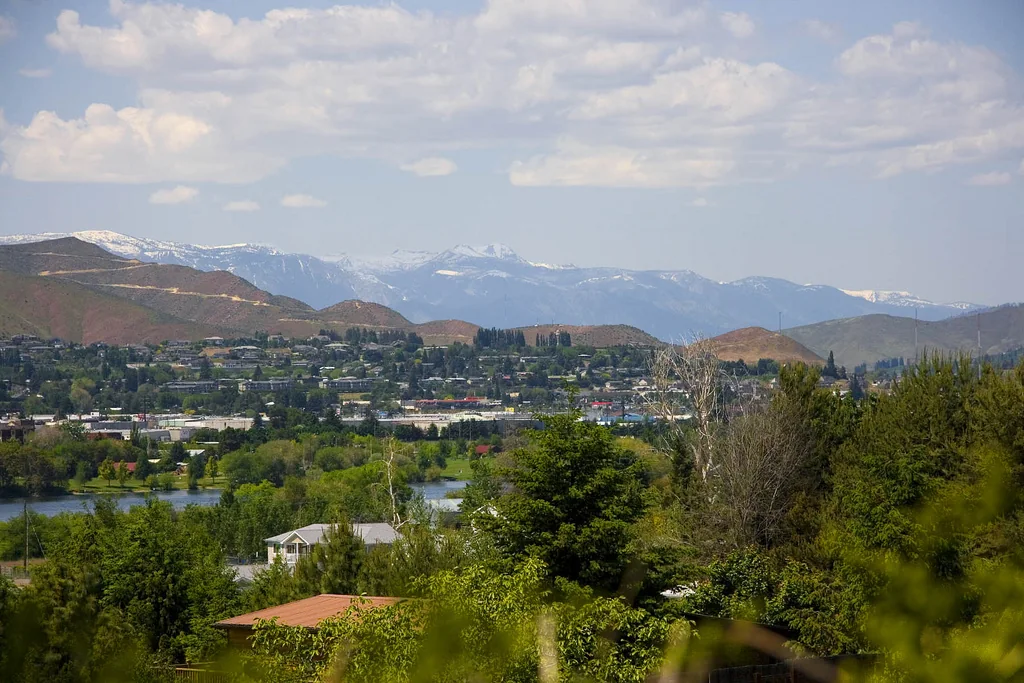

In Wenatchee, the transition from developed streets to foothill vegetation is central to a useful wildfire-insurance discussion. A home near an open slope can have different documentation needs from a house surrounded by other buildings. Neither setting should be reduced to a single citywide label. Construction, maintenance, neighboring land and property use all need to be described accurately.
If a renewal has become difficult, begin with a written timeline and a property file. A specialist agent can investigate possible alternatives using facts about the residence and the reason for the insurance problem. Local fire history supplies context, but it cannot predict a company's decision or the outcome of a future incident at one address.
Sleepy Hollow is a dated local lesson
A June 2015 federal incident release, preserved by Washington's Military Department, identified threatened areas around Broadview, Horse Lake and North Western Avenue. Chelan County's historical account records the Sleepy Hollow Fire on June 28, 2015, and describes subsequent concern about runoff from burned slopes. These official records make the event more useful than a generalized warning about living in the mountains.
They also require careful interpretation. An incident report describes conditions at a particular time, and a historical perimeter is not a current home assessment. Ask what has changed at your property since then: construction, neighboring development, landscaping or maintenance. Document those changes rather than assuming that an old map captures today's building and surrounding fuels.
The drainage lesson is unusually concrete
Chelan County reported adding culvert capacity under Scenicview Drive after the 2015 fire because runoff was a concern between Sleepy Hollow Heights and Skyview Court. The county used that example to explain why burned hillsides and drainage systems require attention after fire. This was a specific public-works response to historical conditions, not a claim that those locations face an active emergency now.
For a hillside homeowner, the broader question is whether water and debris can reach the house or driveway after surrounding ground changes. Consult local officials about current drainage concerns and responsibilities. Ask your insurance professional about flood and earth-movement issues separately from fire protection. Do not assume that one policy provision for fire answers every question about damage following a burn.
Describe the foothill boundary precisely
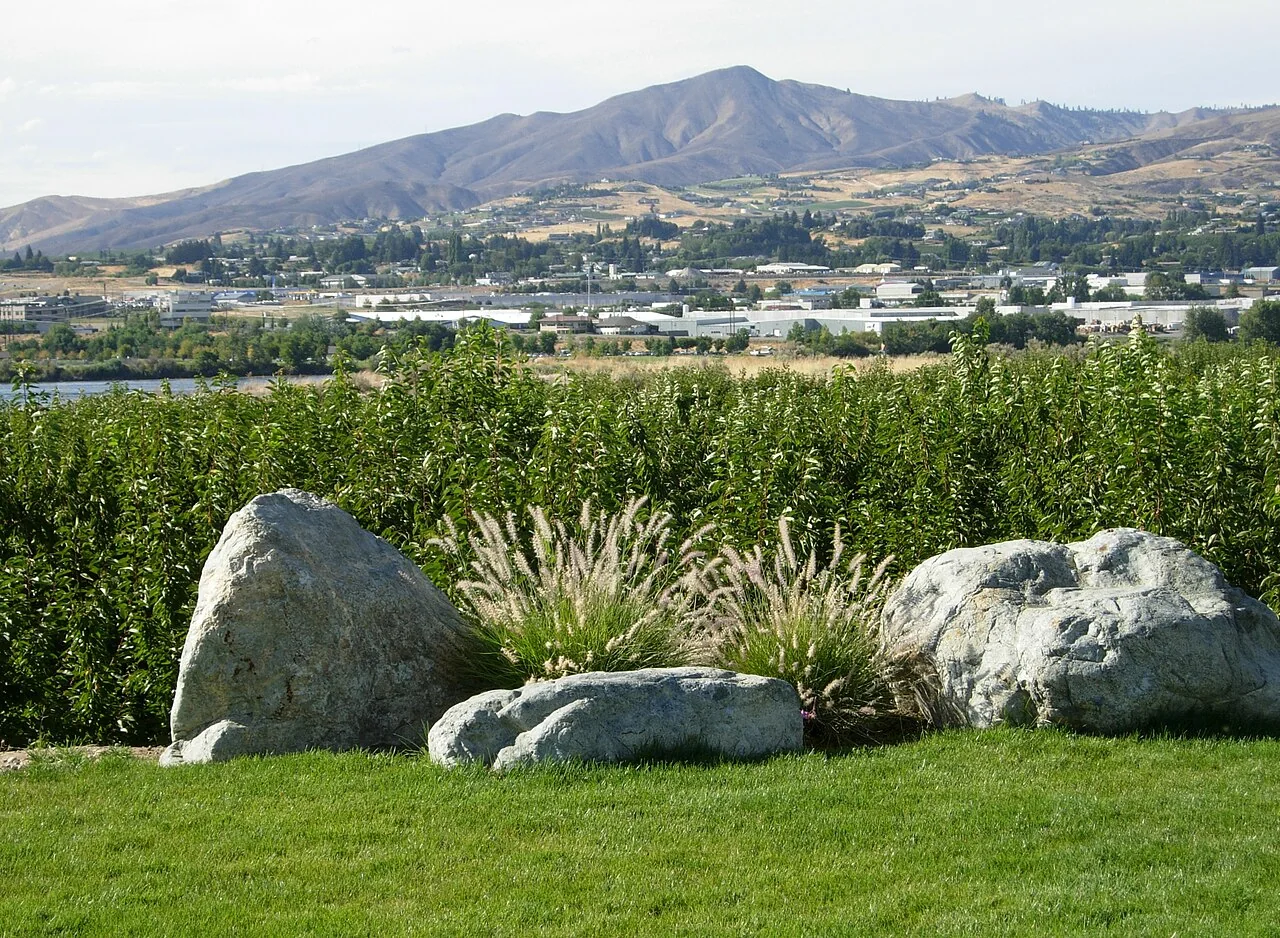
A photograph of the Columbia River or a broad city panorama helps establish location, but an underwriter needs closer views. Show where the maintained yard meets grasses, shrubs, orchard ground or neighboring buildings. Identify who owns the land beyond the fence. A shared edge deserves an accurate description even when most of the vegetation is outside your control.
For a residence reached by a climbing driveway, include the entrance, address marking and the relationship between parking and the building. Show any gate and obtain correct service information from the responsible agency. Avoid supplying guessed response times or claiming that a nearby station guarantees access during an incident. Application details should be verifiable rather than optimistic estimates.

Use county planning as a question guide
Chelan County reports adopting its updated Community Wildfire Protection Plan in March 2025. The county also maintains hazard-planning resources and emergency information. These documents can help explain community priorities and identify appropriate officials, but they do not function as an insurance quote or a parcel-specific engineering assessment.
Use them to prepare questions about your address: which agency serves it, whether nearby land has a treatment plan and where to request a home assessment. If you are outside Wenatchee's municipal boundary, clarify that distinction early. The mailing name, fire-service boundary and land-use authority may not answer the same question, especially for properties along the developed edge.
Pair home hardening with honest maintenance records
Look at the small connections between the structure and combustible materials: the fence ending at the house, debris in a roof valley or storage below a deck. Ask a qualified assessor to prioritize concerns on the site. A foothill property can need slope-aware work, while a compact city lot may require more cooperation around neighboring structures.
Keep invoices and photographs for finished improvements. If a contractor has only provided an estimate, label it as pending. Record recurring work separately, including who handles it when the home is unoccupied. The home-hardening guide explains categories worth discussing, but product suitability and installation questions belong with qualified professionals and any applicable local authority.
Compare reconstruction and living-expense protection
Wenatchee's hillside houses can include decks, stepped foundations and detached buildings that deserve a careful replacement-cost description. Give the agent current dimensions, materials and renovation details. Ask what the estimate includes and where separate structures appear. Market value and the expense of reconstructing a dwelling are different questions; avoid treating a listing price as the final insurance calculation.
Also ask how the proposal addresses personal belongings and additional living expenses after a covered loss. Discuss the amount, duration and conditions rather than focusing only on whether the feature appears in a quote summary. If you rent part of the property or operate a business there, explain it before relying on an owner-occupied proposal. Actual use is essential information.
Respond to nonrenewal without losing important details
Keep the notice, declarations page and claim history together. Ask which part of the concern relates to the house and whether completed improvements could support another review. If an inspection is required, clarify when it occurs and what happens if recommendations remain unfinished. A clear answer is more useful than assuming that sending photographs resolves every condition.
Washington's Office of the Insurance Commissioner has consumer resources for wildfire and home insurance questions. Our nonrenewal guide can help organize the next steps, while a licensed professional reviews any available proposals. Compare deductibles, limits and required work in writing. Before changing an existing policy, confirm the replacement's actual effective date and remaining requirements.
Keep emergency planning local and current
Chelan County's emergency-management resources include address-based evacuation information. Use those official tools and current instructions when conditions change. A familiar foothill road, recreation route or path through an orchard is not automatically an authorized exit. Make a household communication plan that accounts for family members being at work, school or elsewhere when an alert arrives.
Save your insurance file and inventory somewhere accessible away from the property. Revisit the record after landscaping, construction or adjacent conditions change. The practical value of Wenatchee's history is the specificity it brings: home ignition, slope relationships and drainage should be considered together, while insurance questions are answered through the actual contract. That creates a much stronger foundation than a blanket label about the valley.
Explore the Washington guides
Read the Washington wildfire insurance overview for state resources and questions about available insurance paths.
Common questions
Does the 2015 Sleepy Hollow Fire determine my premium today?
An old incident does not by itself explain a current company decision. Ask the insurer or agent which factors apply to your property now. Provide accurate construction and maintenance records, and avoid assuming that a historic fire boundary is the same as an individual underwriting assessment.
Why include drainage in a Wenatchee wildfire review?
Chelan County documented runoff concerns and culvert work after Sleepy Hollow. That history supports asking officials about present conditions where a home meets a slope. Discuss flood or earth-movement protection separately with your agent because the relevant policy terms can differ from fire coverage.
Can the county wildfire plan approve my house for insurance?
No. A community plan sets public priorities and provides context. Insurance companies make their own decisions under applicable requirements. Use the plan to identify resources and informed questions, then submit evidence about the residence and ask the agent what each company requires.
What should I photograph near the Wenatchee foothills?
Show the dwelling from all sides, the slope relationship and the boundary between maintained space and surrounding vegetation. Include access and detached buildings where relevant. Label completed work clearly, and obtain help instead of entering unsafe slopes or neighboring land for a better angle.
Sources and further reading
- Chelan County Public Works: Sleepy Hollow Fire and historical drainage response
- Washington Military Department: June 2015 Sleepy Hollow incident release
- Chelan County: hazard mitigation and 2025 CWPP adoption
- Chelan County: emergency-management resources
- Washington Office of the Insurance Commissioner: home insurance
Program rules and insurance terms can change. Check the linked agency or program before relying on eligibility, coverage, or local requirements.
General educational information. This website does not issue policies, bind coverage, or provide emergency alerts. Coverage and eligibility require individual review.