.jpg)
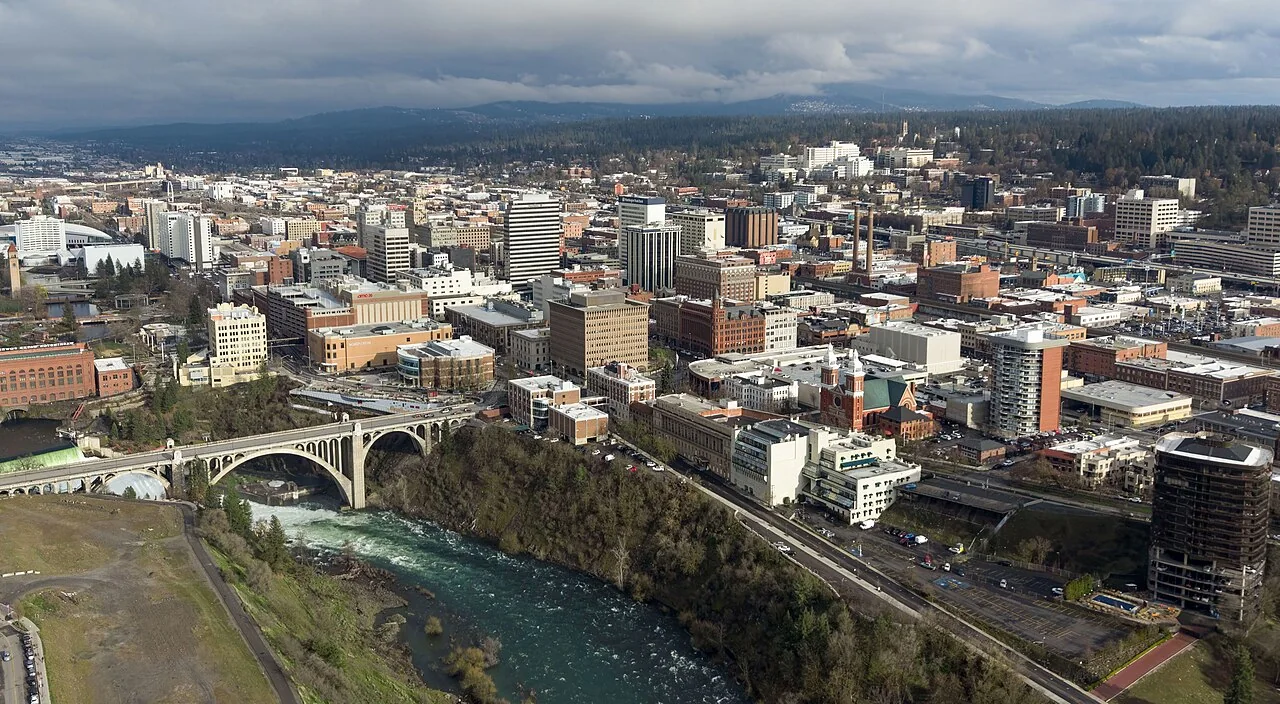
Spokane's wildfire exposure is not confined to distant rural roads. A city residence can sit above a brushy bluff or beside a wooded park while remaining close to downtown streets and services. That setting is different from a secluded forest property, yet it still deserves a careful description when shopping for homeowners insurance or responding to a difficult renewal.
Begin with the home as it actually exists: the slope behind it, the materials attached to it and the maintenance completed around it. A recognizable neighborhood name should provide context, not replace evidence. A licensed insurance professional can use that information to investigate available coverage and explain any company-specific requirements without making promises about acceptance.
Browne's Addition offers a documented city example
Spokane Fire reported a wildland fire near Overlook Park on June 25, 2023. The incident began on a slope below homes in Browne's Addition, and the department described heavy brush and difficult terrain. Firefighters protected the threatened homes; the report states there was no property loss. This was an urban-interface event in an established historic neighborhood.
The useful lesson is about the relationship between a building and the ground below it. An attractive front elevation can tell very little about a steep rear boundary. If your property has that configuration, document it honestly and obtain qualified advice about vegetation that is difficult to reach. The historical event does not establish that your block will experience the same conditions or outcome.
Spokane's treatment areas are specific places
The city's wildfire-prevention page identifies fuel-reduction work focused on Palisades Park, the South Hill bluff and Beacon/Minnehaha Park. It also provides a treatment map distinguishing planned, ongoing and completed areas. These resources help residents ask location-specific questions instead of assuming every public parcel has already been treated.
Check the map's status and ask the city about the land adjoining your home. A project in a nearby park does not certify your roof or clear debris beneath your deck. In an insurance file, describe public work separately from improvements on your own parcel. Avoid borrowing a photograph of a treated site to imply that it shows your immediate backyard.
Match the review to the Spokane setting
For a house above a bluff, the important missing view may be the downhill side. Include decking, stairs and vegetation between the structure and slope. If the lot abuts parkland, establish the boundary before arranging work. Trees on public land and plants on your own lot can require different permissions even when they appear to form one continuous landscape.
For an ordinary grid-block home, inspect narrow spaces between structures, older garages, wood fences and accumulated yard materials. A central location does not answer those building-level questions. Conversely, a wooded view is not proof that a specific home fails an insurer's requirements. Describe observable conditions and let qualified officials and the insurer assess their respective concerns.

Older architecture needs more than a roof date
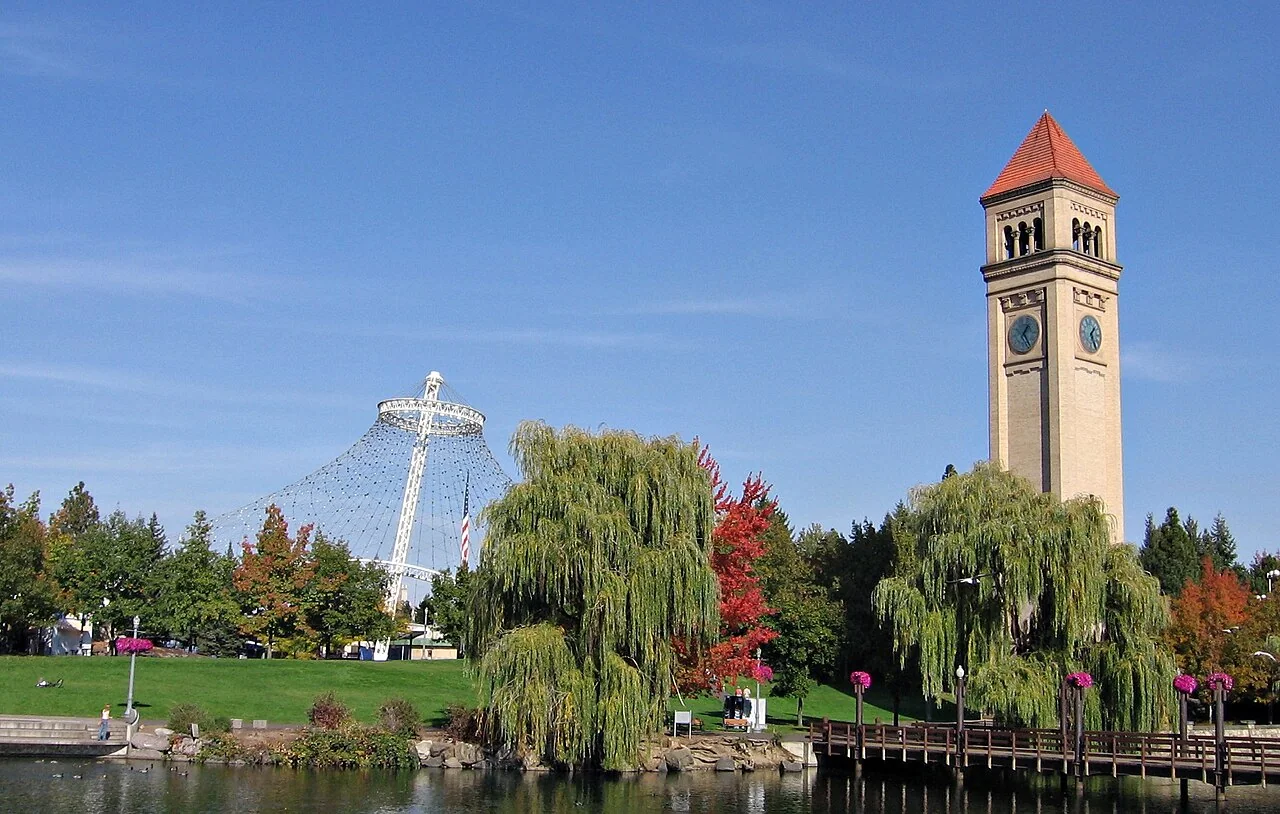
A historic or extensively remodeled Spokane home may contain porches, additions, detached buildings and finishes that are not captured by a simple square-footage estimate. Ask the agent to review the reconstruction description carefully. Include completed electrical, plumbing and roofing work as appropriate, because an insurance application can involve more than the wildfire issue that prompted the search.
If repairs retained original exterior features, document the materials and scope rather than describing the whole house as new. Discuss coverage questions about rebuilding to applicable requirements and reproducing distinctive details. These are policy-review questions, not assurances that every restoration expense is covered. A realistic estimate and a clear explanation of limits help you compare proposals more meaningfully.
Ask for a home ignition assessment
Spokane Fire's prevention resources describe assistance through home ignition zone assessments, Firewise programs and landowner referrals. Ask which service fits your property and what preparation is useful before the visit. For steep or wooded lots, a professional can help distinguish necessary work from indiscriminate removal and identify issues requiring a contractor or neighboring landowner.
Record the resulting recommendations in a short project log. Note what is complete, what is scheduled and what depends on someone else's permission. Take matching before-and-after photographs of finished work. If an insurer has issued its own conditions, ask your agent whether the assessment addresses them or whether further documentation is required. Municipal assistance and underwriting approval serve different purposes.
Include rental and shared-building arrangements
Spokane homeowners sometimes own a duplex, rent an accessory dwelling or share responsibility through a condominium association. Explain those facts before treating a quote as suitable. For shared buildings, obtain the association's relevant insurance information and ask where responsibility for exterior maintenance and coverage lies. A common roof or boundary fence cannot be evaluated accurately if nobody knows who controls it.
For a detached rental unit, provide its location, use and construction details alongside those of the main home. Ask about separate structures, contents, liability and loss-of-use questions that apply to the actual arrangement. Do not assume an owner-occupied home policy automatically resolves every issue simply because all buildings share one street address.
Address nonrenewal with a complete submission
Preserve the written notice, confirm the deadline and ask for the specific reason. Explain completed repairs and prior claims consistently across applications. A collection of clear exterior photographs, contractor records and current occupancy details makes it easier for a licensed professional to seek an informed response. Sending contradictory descriptions to several companies can create avoidable confusion.
Compare any proposed protection for the dwelling, belongings, other buildings and additional living expenses, together with deductibles and conditions. Washington's Office of the Insurance Commissioner publishes wildfire and homeowners resources for consumers. Use the insurance-options guide and nonrenewal guide to organize questions, while relying on the actual proposal for decisions. Confirm placement before replacing existing coverage.
Keep public-land work and household readiness connected
A neighborhood adjacent to Palisades or Beacon/Minnehaha can coordinate questions about public vegetation, while each household maintains its own building. A useful meeting agenda is concrete: boundaries, recurring debris, access obstacles and the next scheduled inspection of completed work. No resident should undertake clearing on another parcel based on an assumption about who owns it.
Separately, establish how household members receive emergency alerts and contact one another. Keep documents and an inventory available outside the home. The 2023 Browne's Addition response demonstrates the importance of local preparation, but it should not be read as a promise that firefighters will always be able to protect every structure. Preparation and suitable insurance work together, each with a different role.
Explore the Washington guides
Read the Washington wildfire insurance overview for state resources and questions about available insurance paths.
Common questions
Does living in central Spokane remove wildfire concerns?
No. Spokane Fire has documented urban-interface incidents within established neighborhoods, including the 2023 Overlook Park slope fire. Review the home’s actual surroundings and construction. That history supports preparation, but it does not determine an insurance company’s decision for every central-city address.
How do I check whether nearby city land has been treated?
Spokane’s wildfire-prevention page links to a map of planned, ongoing and completed treatment areas. Review the specific location and ask city staff about uncertainties. Keep that public-land information separate from photographs and records of work on your own property.
What is most useful for a house above a South Hill bluff?
Provide safe, clear views of the rear elevation, slope relationship, decks and lot boundary. Identify vegetation or access outside your control. A professional assessment is preferable to guessing about steep terrain, and no insurance photograph requires entering a dangerous area.
Can Firewise participation replace an insurer’s inspection?
Only the insurer can explain its documentation and inspection requirements. Community participation can help organize maintenance and provide useful context. Ask the agent how to submit those records, but do not assume neighborhood recognition removes a company’s separate review of the residence.
Sources and further reading
- Spokane Fire: June 2023 Browne’s Addition incident report
- Spokane Fire: fuel-reduction locations, map and homeowner assistance
- City of Spokane: fire-prevention public education
- Washington Office of the Insurance Commissioner: wildfire and homeowners insurance
Program rules and insurance terms can change. Check the linked agency or program before relying on eligibility, coverage, or local requirements.
General educational information. This website does not issue policies, bind coverage, or provide emergency alerts. Coverage and eligibility require individual review.