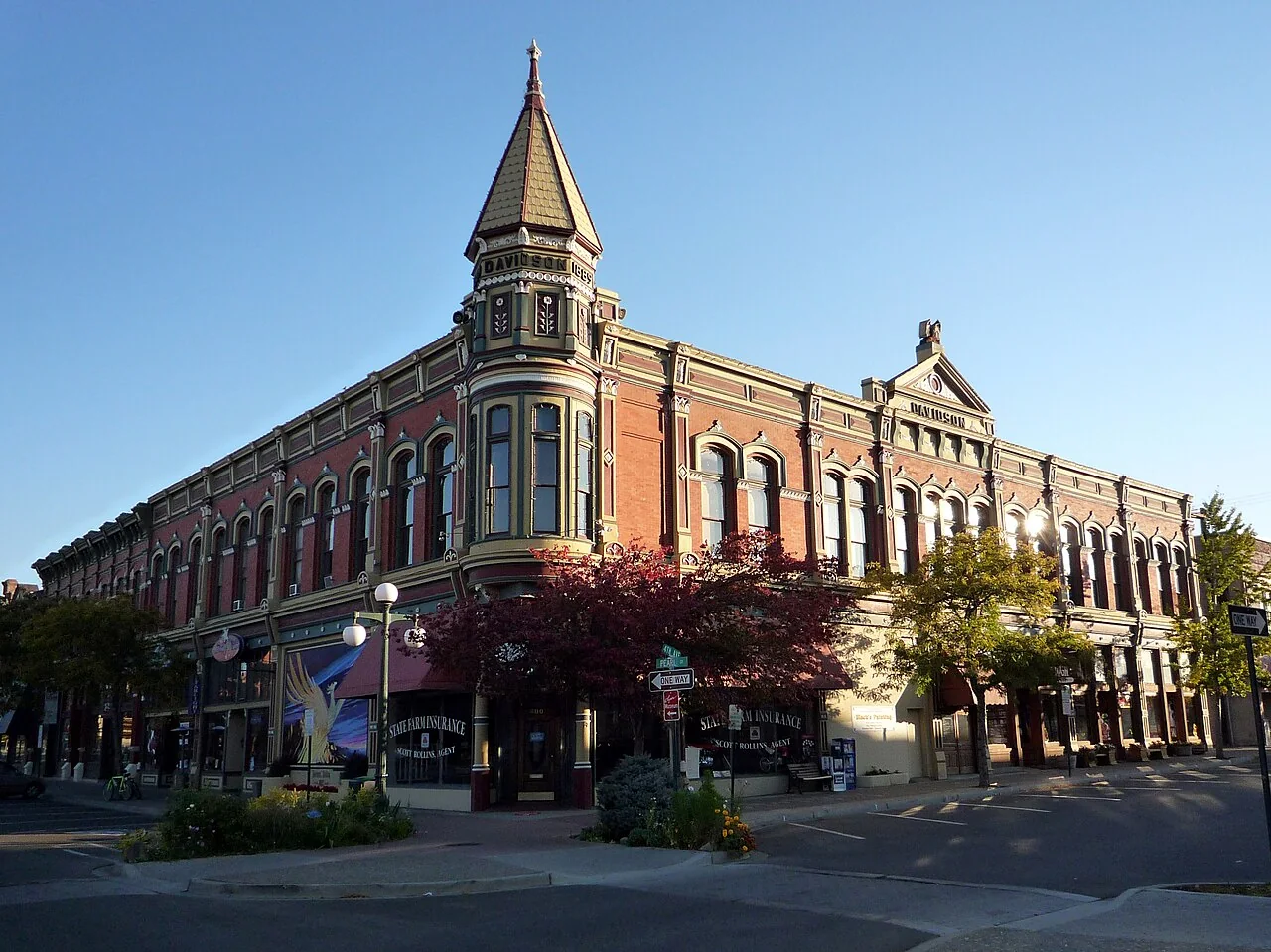

An Ellensburg address can describe a compact city home or a property with pasture, outbuildings and a longer approach from the public road. Toward the surrounding foothills, trees and slopes can become part of the picture as well. A good insurance submission explains which setting actually applies, instead of relying on a broad assumption about the Kittitas Valley.
When coverage becomes hard to find, accurate details matter. Identify the home's use, the buildings on the parcel and the deadline for coverage. Keep the insurer's explanation in writing. A licensed specialist can investigate potential alternatives, but neither a recognizable road name nor participation in a public program guarantees that a company will accept the residence.
Start with Kittitas County's local assistance network
The Kittitas County Conservation District publishes wildfire resources, offers home risk assessments and describes cost-share opportunities for recommended work. Its materials connect household preparation with the Kittitas Fire Adapted Communities Coalition. That gives Ellensburg residents a local starting point for questions that are difficult to answer from a generic checklist.
Check current availability before planning around a service. For example, the district's page reviewed in September 2026 said spring chipping registration had ended. A previous offer should not be presented as permanently open. Ask what can be scheduled now, whether the address qualifies and which steps should happen before hiring a contractor or arranging debris disposal.
Green Canyon and Upper Manastash show the neighborhood scale
The district's published Firewise list includes Green Canyon and Upper Manastash with historical recognition dates. These examples help explain how preparation can be organized outside a single homeowner's yard. They are not evidence that every parcel carrying an Ellensburg address participates, or that any site's standing and projects remain unchanged.
If you belong to a neighborhood association, ask for the current maintenance plan and records of completed work. Identify shared access, boundary strips and vegetation that no single household controls. Give the agent accurate documentation of relevant projects while keeping your own home's condition separate. Community coordination provides context; the company still needs a truthful description of the insured property.
Valley-floor acreage calls for a building-by-building review
For a residence surrounded by open ground, photograph the transition from maintained yard to pasture or other vegetation. Explain who manages adjoining land and whether the conditions change with the season. Do not describe a neighbor's irrigated acreage as your guaranteed protective buffer. An assessor can help identify which observations matter most around the actual dwelling.
List barns, shops, equipment shelters and guest buildings individually. Describe personal versus business use, stored materials and any activity involving visitors or customers. A property may look residential from the road while functioning differently behind the house. Ask the licensed professional what form of coverage fits the full arrangement, including any agricultural operations that a simple homeowners application may not capture.


Foothill approaches create a different set of questions
For a home toward the wooded margins of the valley, show slope and tree relationships from safe accessible points. A deck extending over downhill ground deserves its own view. So does a driveway that narrows, turns sharply or crosses a shared parcel. Confirm details with the responsible fire agency rather than estimating access or water-supply information for the application.
The county Fire Marshal publishes wildfire planning and local fire-district resources. Use those to identify the right office for your location and any construction questions. A mailing address alone does not determine service jurisdiction. A recreational route into surrounding public land is also not automatically an evacuation alternative, even if it appears connected on an ordinary map.
Wind makes recurring housekeeping worth planning
Ellensburg households are familiar with exposed outdoor conditions. Use current National Weather Service information for warnings and activity decisions. For the home-maintenance plan, inspect places where loose dry material accumulates: fence corners, covered entries, under decks and around detached buildings. Ask an assessor how those collection points interact with the surrounding vegetation.
A single cleanup photograph can become outdated if debris returns or storage arrangements change. Assign recurring checks to a household member or maintenance provider and update the record after meaningful changes. If a property is vacant between visits, explain who carries out that work. Do not tell an insurer the grounds are regularly maintained unless the arrangement is actually in place.
Plan for animals without confusing that with coverage
The conservation district provides preparedness resources directed to farmers and ranchers. For households with horses or other animals, preparation includes transport capacity, help with loading and an agreed destination. Those practical questions should be addressed before an alert, especially when the same driveway serves several buildings or neighboring properties.
Tell the insurance professional about animal-related activities and business use so the application is complete. Ask separately about the buildings, equipment and liabilities involved. A household evacuation plan does not establish insurance protection for animals or commercial activity. Keeping the questions distinct helps the right professional answer each one without unsupported assumptions.
Document improvements that are actually finished
After an assessment, separate recommendations into recurring maintenance, construction changes and shared-land issues. Keep receipts and dated photographs for completed work. If a fence connection is altered, show the relationship to the house. If a roof or vent is replaced, retain the material description and installation record when available. Label work still awaiting completion honestly.
Ask the agent which evidence an insurer requires and whether any condition has a deadline. The home-hardening guide provides topics to discuss, while the local assessor can adapt them to the parcel. Neither an estimate nor a verbal plan should be described as a finished improvement simply to move an application forward.
Compare coverage before choosing the premium
Request a review of the dwelling replacement description, especially for a house with additions or unusual outbuildings. Ask where personal property, other structures and additional living expenses appear in the proposal. Explain seasonal occupancy, rental space and recent renovations. A price comparison has limited value when the underlying applications describe different versions of the same property.
If a company will not renew, preserve the notice and organize claim and repair records. Washington's insurance regulator provides home-insurance resources when you need clarification. Use the coverage-options overview to structure discussions with the agent, and confirm the replacement's terms and effective date before ending an existing arrangement. A preliminary indication remains different from completed placement.
Keep the Ellensburg plan practical
The most useful result is a short, accurate description of the home and its setting, supported by photographs and a manageable maintenance schedule. Link household responsibilities with available local assistance, then revisit the record when the property's use or surroundings change. That approach respects the differences between city blocks, valley acreage and foothill homes while giving an insurance professional concrete information to work with.
Explore the Washington guides
Read the Washington wildfire insurance overview for state resources and questions about available insurance paths.
Common questions
Does Kittitas County offer help evaluating an Ellensburg home?
The conservation district advertises home risk assessments and related assistance. Check the current program details, service area and scheduling directly. Ask for priorities suited to your parcel, and confirm any separate insurer condition through your agent rather than assuming the assessment itself establishes eligibility.
Can I still assume a spring chipping program is available?
No. Event dates and registration periods change. The district page reviewed in September 2026 indicated that its spring signup had closed. Consult the current page before cutting material or arranging a project that depends on collection, and plan a lawful disposal method.
What should an acreage owner tell the agent about a barn?
Describe the building, contents, animal use and any business activity accurately. Include dimensions and photographs rather than simply checking a box for “other structures.” Ask the professional which insurance arrangement fits the property as a whole and which limits or exclusions need attention.
Does being listed as a Firewise community guarantee a lower price?
No. Historical recognition and current participation are useful context, but each insurer decides how it evaluates the information. Verify your neighborhood’s status, document relevant work and ask the agent whether the company recognizes any applicable mitigation credit or requires further evidence.
Sources and further reading
- Kittitas County Conservation District: wildfire assessments and local Firewise history
- Kittitas County Conservation District: Fire Adapted Communities
- Kittitas County Fire Marshal: plans and district resources
- Kittitas County: hazard-mitigation plan resources
- National Weather Service: Ellensburg-area weather alerts
- Washington Office of the Insurance Commissioner: how home insurance works
Program rules and insurance terms can change. Check the linked agency or program before relying on eligibility, coverage, or local requirements.
General educational information. This website does not issue policies, bind coverage, or provide emergency alerts. Coverage and eligibility require individual review.