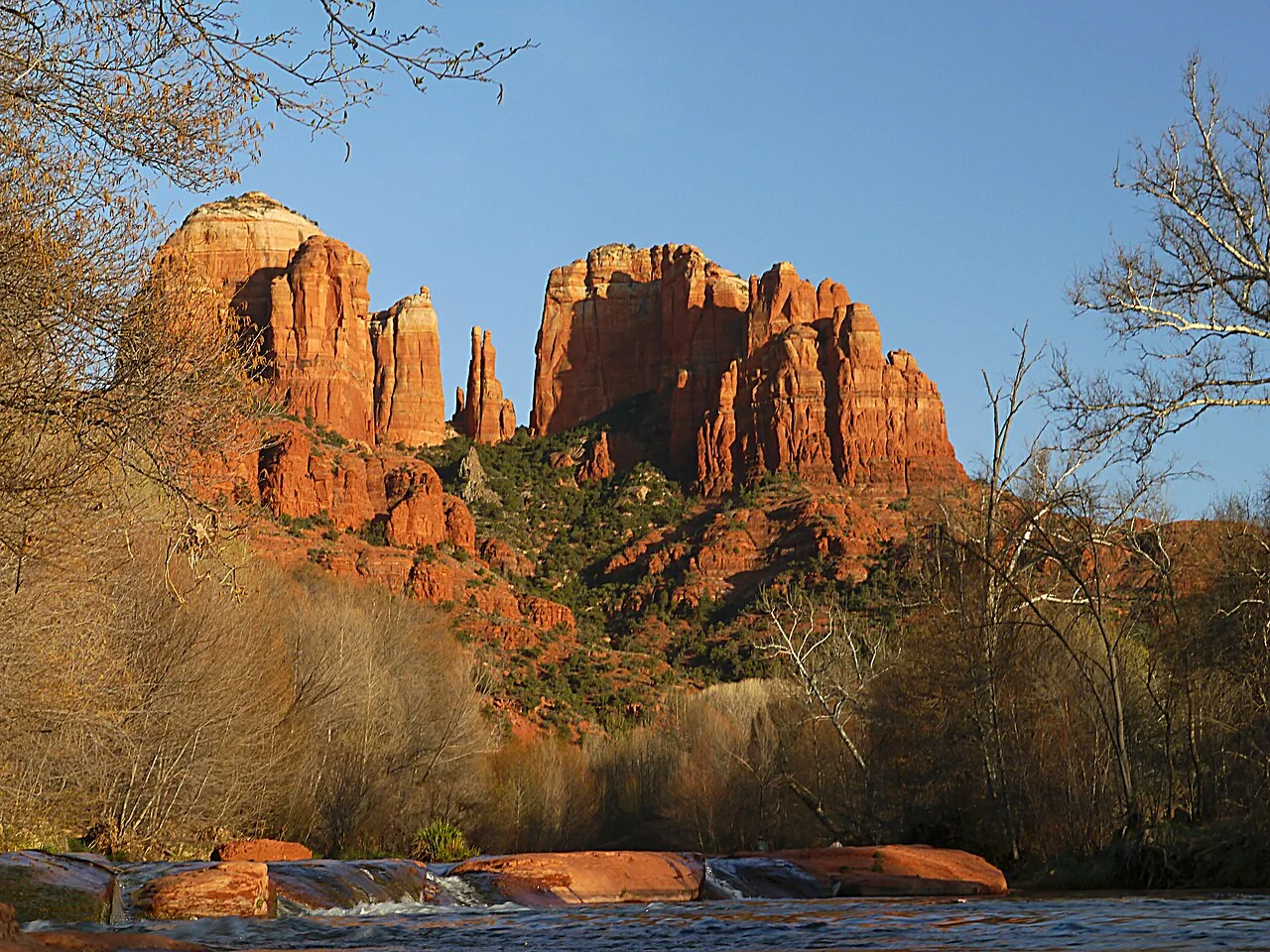

Sedona's red-rock setting can make two houses look equally remote even when their surroundings and access differ substantially. A home in a developed West Sedona neighborhood, a property overlooking a drainage and a cabin farther into Oak Creek Canyon need individual descriptions. The useful question is not whether Sedona has wildfire risk. It is what your own building, vegetation and access look like today.
When an insurance company raises a wildfire concern, work from its written explanation. Ask a licensed specialist which details need clarification and what evidence can support a review. A familiar landmark in the listing photographs will not answer questions about roof condition, nearby brush, seasonal occupancy or the distance between structures. A careful property file will.
Establish the address before choosing the resource
Sedona sits within a broader area served by several local and county authorities. The city, Sedona Fire District and nearby communities are not interchangeable boundaries. A mailing address or the name used in a vacation listing should not be your only way of choosing an emergency resource. Confirm the parcel's jurisdiction and the agency responsible for fire-related questions.
This distinction matters when comparing Uptown, West Sedona, the Village of Oak Creek and canyon properties. These locations are useful orientation points, not insurance classifications. Describe the home by its legal address and actual setting, then identify the relevant local contact. Avoid copying a neighbor's instructions if that neighbor is across a jurisdictional boundary or subject to a different association's maintenance arrangements.
Read the canyon and the lot together
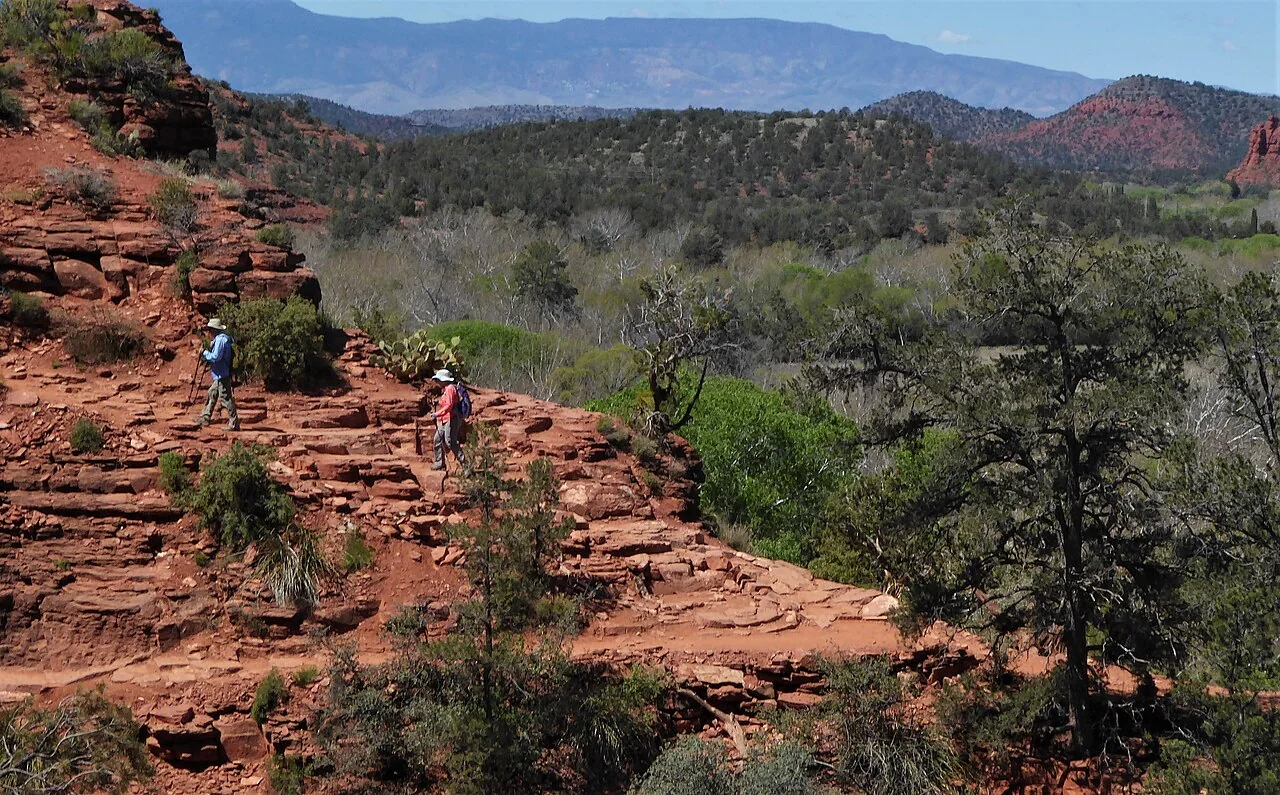
A rocky view does not mean every surface near the house is noncombustible. Inspect where ornamental plants meet siding, where leaves collect under stairs and where a deck projects above a vegetated slope. Ask an assessor to consider both the immediate building surroundings and the slope beyond them. Include a side view that shows the relationship between the house and the ground below.
For an Oak Creek-area property, water and wildfire questions may both be relevant, but they need distinct answers. Ask local officials about the drainage affecting the parcel and obtain insurance advice on flood-related coverage separately. Do not assume that a nearby creek provides fire protection or that a hillside address cannot have runoff problems. Neither conclusion follows simply from the landscape's appearance.
Use Sedona's evacuation tools correctly
The City of Sedona provides evacuation-zone information and emergency-preparedness resources through its Emergency Management page. Find the official tool for your address and learn how updates are communicated before an incident. A zone identifier belongs in your household plan alongside contacts and accessibility needs. It is a preparedness reference, not a prediction of which route will remain available.
Roads including State Route 89A and State Route 179 connect familiar parts of the area, but a static guide cannot designate a safe route during a fire. Follow current local directions. Discuss who will collect pets, who needs assistance and how guests will receive information if the owner is away. A scenic drive that visitors know well may not be the route officials direct them to use.

Make guest and seasonal use explicit
Sedona owners should be precise about who stays in the home. A residence used only by the owner is not the same arrangement as one rented to paying guests, even if the furnishings and address are identical. Tell the agent about rental frequency, management arrangements, detached guest space and changes in occupancy. Ask which policy form and endorsements fit the use described.
Keep guest safety information practical and separate from coverage promises. A manager can provide the official alert resource, property address, household emergency instructions and contact arrangements. That does not authorize anyone to remain behind to protect the building. If a visitor cancels or an evacuation interrupts a stay, ask the insurer to explain the actual policy response rather than assuming lost booking revenue is covered.
Coordinate vegetation work with local requirements
Sedona Fire District's Development and Construction resources direct owners to Community Risk Reduction for clarification and describe assistance with Firewise efforts. Start there when proposed work involves fire access, construction or questions about the district's requirements. Ask which authority must review a project before you remove substantial vegetation, modify a driveway or change an exterior feature.
For an association property, establish who controls common slopes, roadside landscaping and shared gates. Photograph the division between your maintenance responsibility and the association's. If an insurer requests work beyond your lot, seek clarification and coordinate with the proper owner. A useful submission explains what you can control, what you have completed and what needs another party's participation.
Keep receipts specific. A bill stating yard cleanup is less informative than one identifying vegetation treatment, debris disposal or a building improvement at the insured address. Add before-and-after images and the work date. Ask the agent what documents an insurer wants before commissioning an expensive report. Good documentation supports a review without turning a local fire assessment into a guarantee of acceptance.
Compare the policy behind the quoted price
Ask how a rebuilding estimate reflects the home's actual size, materials, finishes, slope and access. A high real-estate price may include a view or location value that is different from reconstruction expense. Conversely, a modest-sized house may contain features costly to reproduce. Have the agent explain the estimate instead of copying the purchase price into a dwelling-limit discussion.
Review wildfire-related exclusions or conditions, deductibles, roof settlement, additional living expense and coverage for detached structures. If a specialist proposes more than one contract to address different needs, request a plain-language explanation of the gaps and responsibilities between them. The coverage-options guide offers comparison questions, while your licensed professional must explain the policies actually available.
Prepare a concise Sedona submission
Put the address and occupancy details first, followed by the current notice, relevant claim history and completed repairs. Add a small labeled photo set showing roof edges, the downhill side, vegetation near the structure and access from the street. Where a concern relies on outdated information, identify the exact discrepancy rather than sending an unorganized folder of general scenery.
A difficult renewal is a reason to investigate carefully, not proof that the home has no options. Ask a specialist to evaluate the documented property, explain remaining questions and confirm any deadline. Our nonrenewal guidance can help you prepare. Keep emergency readiness moving forward while the insurance search proceeds; the two efforts serve different needs.
Continue exploring Arizona
Arizona wildfire insurance guide
Common questions
Are the Village of Oak Creek and the City of Sedona the same jurisdiction?
Do not assume that a Sedona-area mailing address identifies the city jurisdiction. Verify the parcel and its responsible fire and emergency agencies. Use that information when requesting assessments, checking requirements and choosing the official alert resource.
Can a creekside setting resolve wildfire insurance concerns?
No. Describe the structure and surrounding vegetation individually. A creek also raises separate questions about drainage and flood coverage. Ask the relevant officials and agent to address those subjects without treating the water as an insurance qualification.
What should a Sedona vacation-rental owner tell an agent?
Explain paying-guest use, management, occupancy frequency and any detached guest accommodations. Ask how the proposed policy handles the described rental activity and interruptions. Do not assume a policy intended for owner occupancy fits a different arrangement.
Do city evacuation zones tell me what my insurer will charge?
They are emergency-planning tools, not premium tables or individual-home underwriting decisions. Use the official zone resource for preparedness and ask your agent separately what property information a prospective insurer considers.
Sources and further reading
- City of Sedona: Emergency Management
- Sedona Fire District: Development and Construction
- Sedona Fire District: wildland firefighting
Program rules and insurance terms can change. Check the linked agency or program before relying on eligibility, coverage, or local requirements.
General educational information. This website does not issue policies, bind coverage, or provide emergency alerts. Coverage and eligibility require individual review.