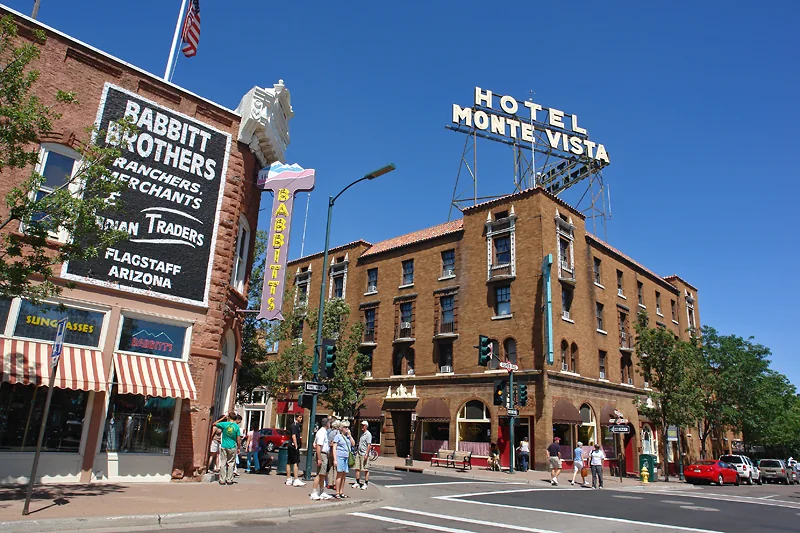

Wildfire exposure across Arizona
Arizona’s wildfire landscape includes more than pine-covered mountains. The Department of Insurance and Financial Institutions, or DIFI, identifies both forested areas and desert vegetation as concerns. A house beside a wash or brush-covered slope can raise different questions from a home surrounded by streets and maintained lots. The important starting point is the property, including what can burn next to it and how crews can reach it.
DIFI also discusses fire-protection classifications. These concern community fire services and related infrastructure; they are not the same thing as a property’s wildfire hazard or an insurer’s own score. If an application appears to use the wrong fire district, construction type, or property condition, ask what information the insurer used and how accurate documentation can be submitted.
A practical route to insurance
Start with a licensed agent who can explain which private insurers will consider the home and why an earlier application failed. If standard-market options are limited, ask whether a specialty or surplus-lines policy is appropriate. Request a written explanation of the coverage, insurer status, fees, and protections before committing.
Before relying on a state insurance fallback, check current program availability directly with Arizona DIFI. A public resource list is a starting point for a conversation, not a guarantee that a particular home will receive an offer. Our insurance options guide explains the questions to carry into that conversation.
Local guides across Arizona
These examples describe landscape differences, not a ranking of cities or an insurer’s assessment of a particular address. Open a local guide for property-review questions.
| City / area | Why wildfire / brushfire exposure varies | State FAIR Plan? |
|---|---|---|
| Flagstaff | Ponderosa forest, grassland and mountain drainages. Conditions vary with the lot, nearby fuels, slope, and access. | Check current status with Arizona DIFI |
| Prescott | Pine forest, chaparral and the Bradshaw Mountain foothills. Conditions vary with the lot, nearby fuels, slope, and access. | Check current status with Arizona DIFI |
| Sedona | Red-rock canyons, chaparral, juniper and pine. Conditions vary with the lot, nearby fuels, slope, and access. | Check current status with Arizona DIFI |
| Payson | Mogollon Rim forest, chaparral and steep canyons. Conditions vary with the lot, nearby fuels, slope, and access. | Check current status with Arizona DIFI |
| Show Low and Pinetop-Lakeside | White Mountains pine forest and grassy openings. Conditions vary with the lot, nearby fuels, slope, and access. | Check current status with Arizona DIFI |
Compare what the policy would actually do
- Fire and smoke: ask whether wildfire is included, which endorsements change it, and whether a separate deductible applies.
- Rebuilding: compare the dwelling limit and replacement-cost terms with the work needed to rebuild this home. A sale price or mortgage balance answers a different question.
- Temporary housing: check additional living expense limits, time restrictions, and any evacuation-related provisions.
- The rest of the home: compare water-loss coverage, liability, belongings, detached structures, and any conditions affecting a seasonal or rented property.
- Total cost: include deductibles and fees, not just the headline premium. Ask what inspections or repairs remain outstanding.
If your Arizona policy is not being renewed
- Save the entire notice, record the coverage end date, and ask the current insurer to explain the reason.
- Find out whether the issue is property condition, wildfire exposure, claim history, or a broader business decision. Ask whether correction or reconsideration is possible.
- Prepare declarations, claim dates, completed-repair records, occupancy details, and clear exterior photographs for alternative applications.
- Review any replacement quote with your lender when relevant. Confirm acceptance, payment, and the effective date before treating replacement coverage as secured.
Bring disputed information or an unresolved consumer problem to DIFI. Its role includes guidance and complaint assistance; it does not sell a replacement policy. See the nonrenewal checklist for organizing the next steps.
Turn mitigation into useful documentation
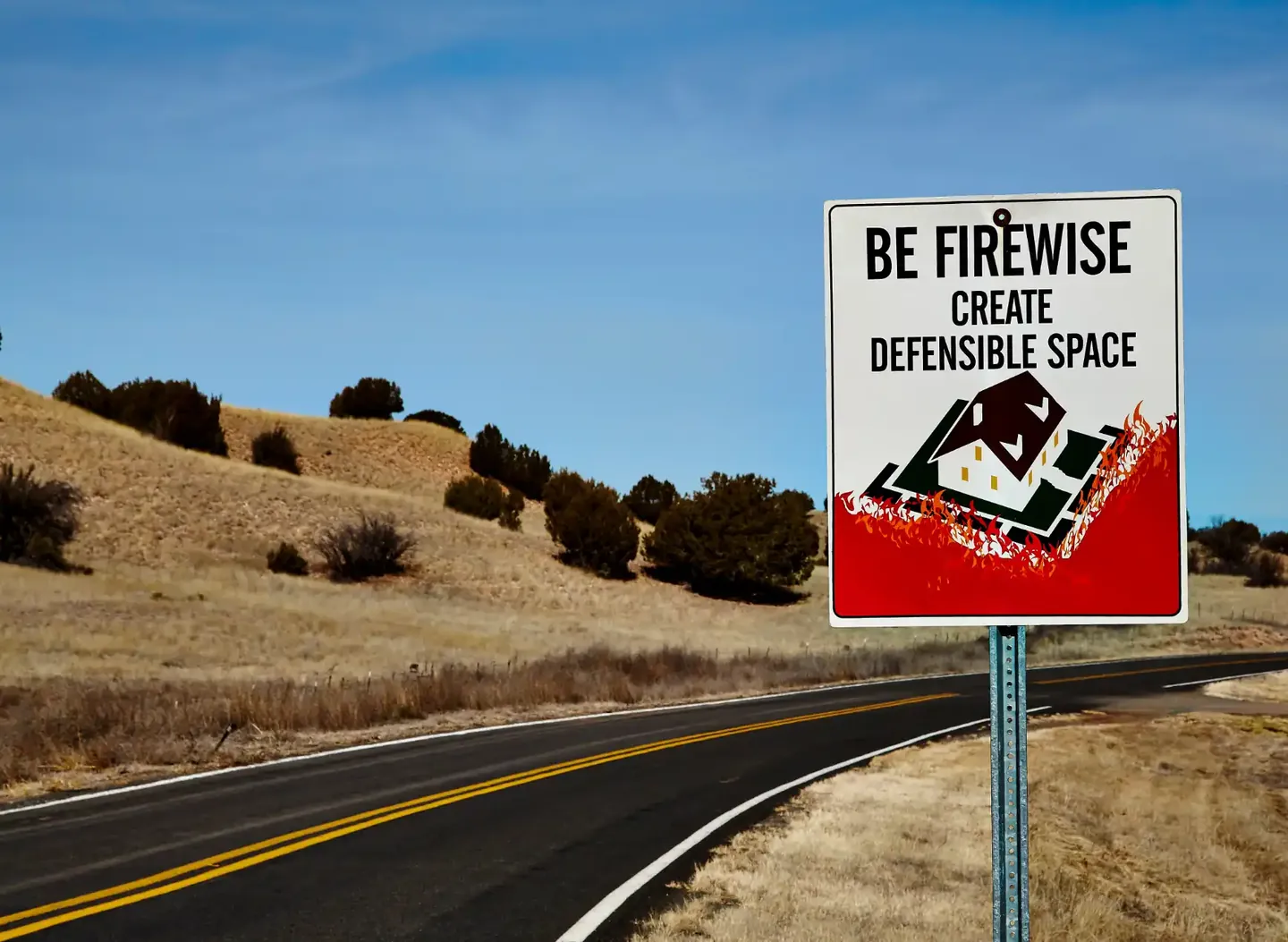
Arizona’s Department of Forestry and Fire Management works with communities through Firewise USA and publishes a Communities at Risk resource. Use these to start discussions with local fire professionals about vegetation, roof debris, nearby combustible materials, and access. A community assessment helps set priorities; it should not be treated as a parcel-specific insurance decision.
Keep dated before-and-after photographs and receipts. Ask the insurer which improvements it will consider and what evidence it needs. A safer property and an approved application are separate outcomes: community recognition or completed work does not promise coverage, renewal, or a discount. Follow local guidance for work near structures and utilities.
Keep desert and mountain property descriptions distinct
An Arizona insurance conversation is more useful when it describes the actual landscape than when it relies on a broad state label. A home near forested highlands raises different site questions from a property at a desert edge. Ask what vegetation surrounds the building, where maintained ground ends, and whether detached structures or fences connect the home to other combustible materials.
Use the local guides to identify questions, then document the address itself. For a seasonal high-country home, explain occupancy and who checks conditions while it is empty. For a desert property, photograph the ground cover and materials near the structure instead of assuming that the absence of tall trees removes the need for a wildfire discussion.
Build a review file that can be updated
Arizona's forestry resources and DIFI guidance serve different purposes. Forestry material helps organize preparedness questions; the insurance regulator explains consumer issues and available assistance. Keep both sets of information available without presenting a fire-safety project as proof that an insurer must offer coverage.
A practical file can start with a site sketch identifying the home, garage, outbuildings, driveway, and vegetation areas. Add dated photographs from the same viewpoints after maintenance. Include the contractor's description of any roof or vent work, rather than a receipt that only shows a payment amount.
When comparing proposals, ask the agent to identify wildfire coverage in the actual forms and endorsements. Discuss the settlement basis, additional living expense provisions, deductibles, and any inspection conditions. If a nonrenewal deadline is approaching, keep replacement shopping active while questions about mitigation or records are being resolved.
At the next review, update changes in use, claims, repairs, and surrounding conditions. A photograph or assessment from an earlier season can still be useful history, but it should not be represented as the current condition if the site has changed. Accurate, current information supports a clearer discussion without promising a particular underwriting result.
Common questions
Does Arizona wildfire exposure only matter in mountain towns?
No. DIFI also identifies desert areas as potentially exposed. Nearby vegetation, buildings, slope, and access can matter at an individual home. Use the local guides to frame questions rather than assuming every property in a city has the same risk.
Is a fire-protection classification the same as my wildfire score?
No. Community fire-protection classifications concern services and infrastructure. An insurer may also use separate property information and wildfire models. Ask which factor affected your application and how to correct inaccurate information.
Can Firewise recognition guarantee an Arizona insurance discount?
No. Recognition reflects community preparedness. Ask each insurer whether it considers that participation, which property improvements it recognizes, and whether any discount or eligibility change applies to your policy.
What should I bring after an Arizona nonrenewal?
Bring the complete notice, declarations, claim and repair records, occupancy details, and dated photographs. Highlight the coverage deadline and any information you believe is inaccurate so the licensed professional can organize the review.
Sources and further reading
Program rules and insurance terms can change. Check the linked agency or program before relying on eligibility, coverage, or local requirements.
General educational information. This website does not issue policies, bind coverage, or provide emergency alerts. Coverage and eligibility require individual review.