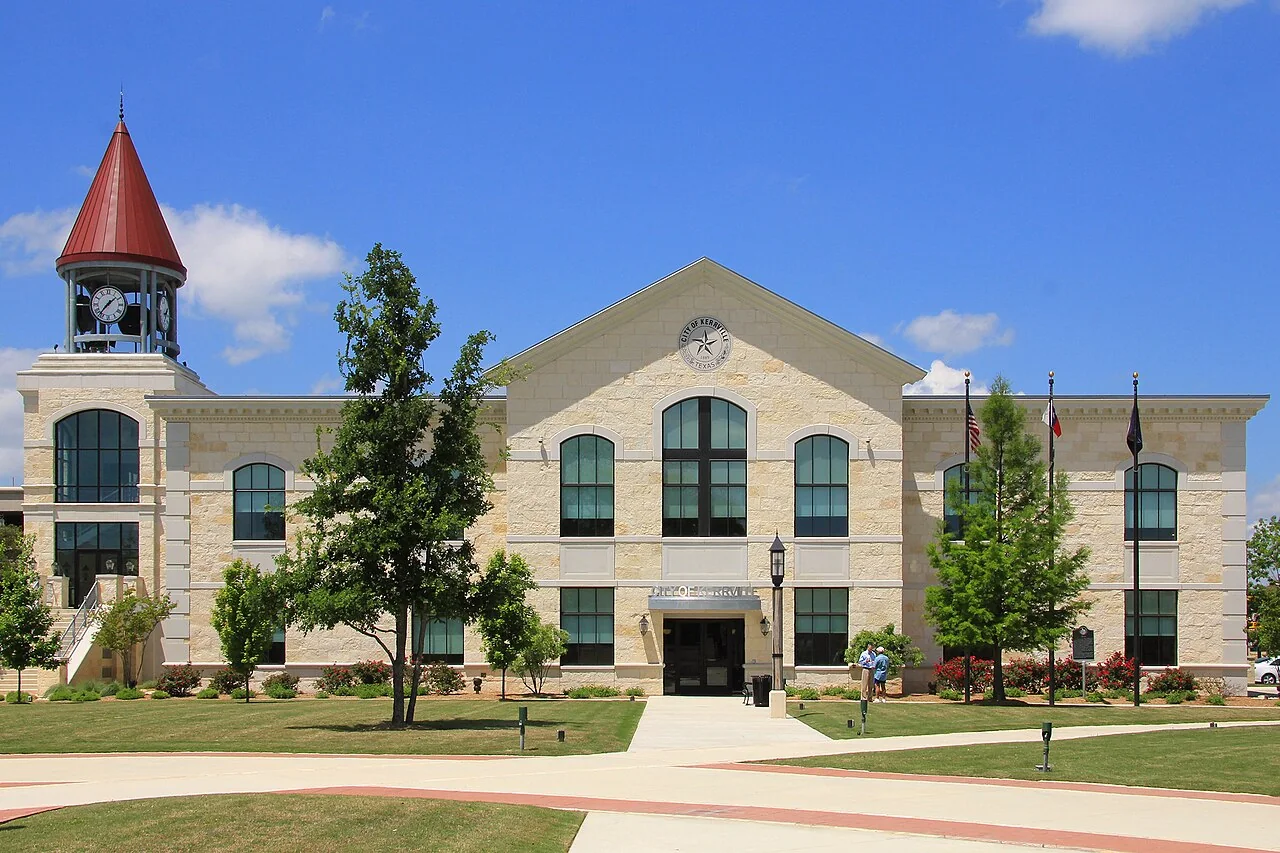

A Kerrville property can include a house on a town street, a hillside residence, a workshop on acreage or a home reached by a private lane. The city name does not describe every building, vegetation pattern or access arrangement. When wildfire enters an insurance conversation, the next step is to explain your specific setting with records that an agent can verify.
That approach is especially helpful after a difficult renewal or a declined application. You do not have to solve every insurance question at once. Establish the deadline, ask for the stated concern and assemble the facts that respond to it. Specialist agents can evaluate available options more effectively when the property description is complete and current.
Kerrville's river setting and surrounding hills call for separate questions
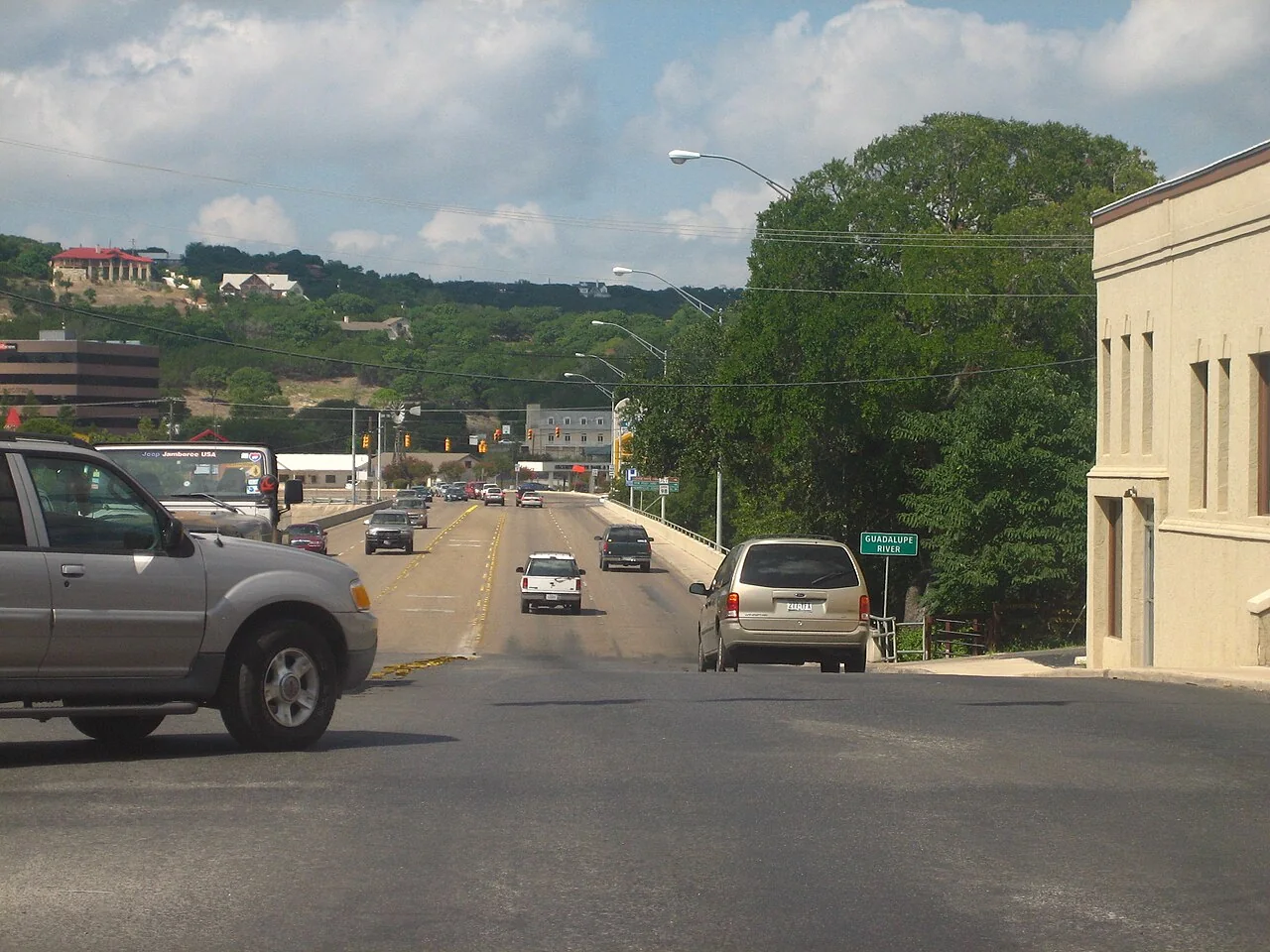
The Guadalupe River is a defining part of Kerrville, but a river view should not replace a review of the land immediately around a house. A developed riverside lot and a wooded slope above town have different physical arrangements. Ask how grass, shrubs, trees, fences and outbuildings connect to the building, rather than assuming proximity to water answers wildfire questions.
For a sloped property, take photographs that show the ground below the residence and the underside of any elevated deck. For a flatter lot, document neighboring structures and combustible material along boundaries. These are inspection prompts, not a ranking of Kerrville neighborhoods. A qualified professional should assess conditions that require measurements or technical judgments.
Keep water-related coverage questions distinct. Drainage, flood exposure and road access deserve their own review where relevant. A wildfire-oriented quotation does not answer all of them, and a parcel's location along a familiar local corridor does not establish the terms of an insurance contract.
Start with the actual fire-service arrangement
Kerrville Fire Department describes services that include wildland response, prevention, emergency management and rescue. The city also publishes a basic emergency plan covering Kerrville, Ingram and Kerr County. Those public resources explain the local organization, but they should not be used to assume that every postal address has identical protection arrangements.
Kerr County's emergency-services directory helps identify relevant agencies. Confirm who serves your address before providing fire-protection details to an insurer. For a property reached by a rural road, ask how responders identify the entrance and whether the driveway or gate raises an access issue. Record confirmed information rather than estimating response time.
Acreage creates an inventory problem as well as a vegetation problem
Walk the property on paper before walking it with a camera. List the main dwelling, guesthouse, garage, barn, workshop and other substantial structures that exist. Explain whether equipment, animals, a business or paying guests are involved. A residence on several acres is not automatically described adequately by a standard entry for other structures.
Then photograph the spaces between those buildings. A detached structure close to vegetation deserves attention even if the house perimeter looks tidy. Include materials stored beneath a carport or beside a workshop. Ask your agent which building and contents limits match the actual use, and ask a fire professional which maintenance projects should take priority.

Use local mitigation education without assuming a benefit is guaranteed
Kerr County has published information about wildfire education sessions for property owners, including landscaping, defensible space and evacuation planning. Those sessions show that local assistance is worth asking about. They do not establish that a particular grant remains open or that your property qualifies for funding today.
Before hiring a contractor based on a possible reimbursement, confirm the current program, eligibility, approval sequence and required documentation directly with its administrator. For insurance, separately ask whether the completed work would be considered in underwriting. Financial assistance, code compliance and insurance acceptance are different decisions, even when the same project is relevant to all three.
A manageable first inspection can address leaves at roof edges, vegetation close to walls and combustible storage beneath decks. Larger tree or access projects need appropriate advice and permissions. Save a description of the finished work with photographs. The home-hardening guide can help organize that record into understandable categories.
Make a renewal submission specific to your Kerrville home
Gather the declarations page and the entire carrier notice. If the issue is described as brush or wildfire exposure, ask which information the insurer or a prospective alternative needs. If there are separate concerns about roof age, claim history or occupancy, document them separately. A single label should not conceal several distinct questions.
Provide the building year, roof installation date, exterior materials, square footage and significant updates using available records. State when a number is an estimate that needs confirmation. For claims, list the date, cause and repair status, with invoices or completion evidence where available. A repaired loss and an unresolved condition should never be presented as though they are the same thing.
Ask the agent how to handle outdated imagery or a property description that omits an addition. Keep a short record of submissions and responses. If a deadline is near, discuss that immediately rather than waiting until every document is perfectly organized. Our nonrenewal guide provides a starting sequence for that conversation.
Compare rebuilding and displacement provisions carefully
A Kerrville house with custom stonework, a large deck or multiple accessory buildings needs a rebuilding discussion that reflects those features. Ask how the replacement estimate was produced and what assumptions it uses. Purchase price and assessed value may answer other questions, but they should not substitute for explaining the physical property to the insurance professional.
Ask about fire and smoke provisions, deductibles, debris removal, personal property and temporary living expenses after covered damage. If the household includes animals or uses a detached workspace, explain those needs while reviewing available coverage. Do not assume that every cost of displacement falls within a standard benefit. Obtain the specific policy language and limits.
The Texas Department of Insurance consumer guide supports a careful comparison. A licensed agent can evaluate available insurers and discuss a Texas FAIR Plan route where appropriate. Ask about coverage differences and conditions before selecting an option. A challenging property still deserves an organized search instead of an unsupported promise of automatic acceptance.
Keep emergency preparation independent of the quote
Use Kerrville and Kerr County officials for current warnings and instructions. Decide in advance how household members will communicate, transport pets and obtain essential medication. For a private lane or shared gate, discuss practical arrangements before an incident. Highway names and familiar destinations in an insurance article are not evacuation directions.
Store copies of the insurance file and a household inventory away from the home. During an emergency, follow official instructions rather than returning for paperwork or equipment. The value of preparation is that the coverage discussion, maintenance plan and household safety plan are ready before events force them together.
Explore the Texas guides
Read the Texas wildfire insurance overview for state resources and questions about available insurance paths.
Common questions
Does a Kerrville postal address establish my fire department?
No. Confirm the agency serving the actual property, particularly on surrounding acreage. Use city and county resources to verify the details an insurer requests. Do not rely on the postal name to infer hydrants, response times or municipal jurisdiction.
Should a barn or workshop be part of the initial submission?
Yes. Describe its construction, contents and use, including any business activity or animals. Ask the agent how the proposed policy treats each structure. Photographs of the main residence alone may leave a substantial part of the property unexplained.
Can county mitigation education guarantee a grant or insurance discount?
No. Educational material is a starting point for asking about current programs. Confirm funding requirements with the administrator and insurance consideration with the agent or insurer. Obtain written answers before making a financial decision based on either possibility.
What is useful for a Kerrville hillside home?
Show the slope below the building, deck supports, nearby vegetation and driveway approach from safe positions. Include relevant construction and improvement records. Let a qualified professional assess technical issues instead of trying to assign a risk score from photographs.
Sources and further reading
- Kerrville Fire Department
- Kerrville, Ingram and Kerr County: Basic emergency plan
- Kerr County: Emergency services directory
- Kerr County: Wildfire education sessions
- TDI: Home insurance guide
Program rules and insurance terms can change. Check the linked agency or program before relying on eligibility, coverage, or local requirements.
General educational information. This website does not issue policies, bind coverage, or provide emergency alerts. Coverage and eligibility require individual review.