.jpg)
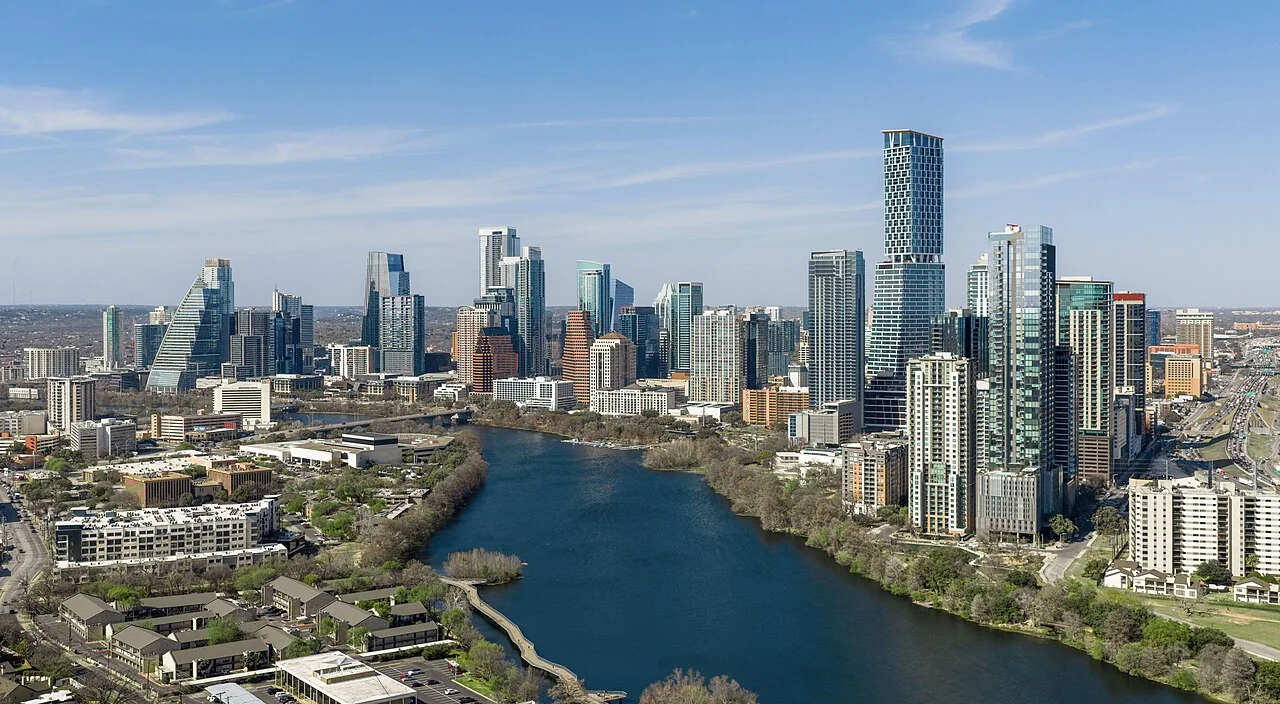
An Austin mailing address can describe a compact urban lot, a house above a wooded drainage or a property near the Lake Travis landscape. Those settings raise different questions. If an insurer has questioned wildfire exposure, a useful response starts with the relationship between your building and its surroundings, rather than a broad claim that Austin is safe or unsafe.
For a home near Barton Creek, Bull Creek or the western greenbelt network, photograph the slope and vegetation beyond the back fence. For a more enclosed neighborhood, look at fences, neighboring structures and accumulated leaves. These are practical inspection priorities, not ratings assigned to particular neighborhoods. A specialist agent can explain which details an insurer needs.
Austin's useful distinction: green space and the building edge
Protected open space is part of Austin's appeal. It also means that the maintained portion of a backyard may end before the surrounding vegetation does. A stone patio beside the house and an unmanaged drainage below it should both appear in a property record. Close views show the work you have completed; wider views show the setting a reviewer needs to understand.
Do not treat a creek, street or visible strip of rock as proof that embers cannot reach a home. Equally, a photograph of a wooded hillside does not establish that every nearby house has the same exposure. Roof condition, vents, deck construction, stored materials and the arrangement of nearby buildings can differ within one street. Walk the actual perimeter before describing the property.
Use the city's WUI resources for the right purpose
Austin Fire's Wildland-Urban Interface Code page provides a map and project guidance for designated areas. The city identifies proximity zones and requirements involving construction, access and water supply. Its published guidance also distinguishes city jurisdiction from properties entirely in the extraterritorial jurisdiction. An Austin postal address alone does not settle which requirements apply.
Before replacing a roof, rebuilding a deck or changing a fence, ask the city or the appropriate local authority to confirm the applicable rules. Keep approved plans, product specifications and final inspection records. The code map answers a construction question; it does not promise insurance acceptance. An insurer may request different information, and compliance with a building rule does not eliminate wildfire exposure.
The Austin/Travis County Community Wildfire Protection Plan offers a broader planning perspective. It is useful for neighborhood conversations about vegetation and preparedness. For a transaction or renewal, pair that community context with recent information about your own lot. Avoid presenting an old planning map as a live fire update or a personalized underwriting decision.
A canyon-side inspection needs more than a front photograph
A front elevation may show masonry, a tidy lawn and a wide street while hiding a wooden deck extending over a slope. Document the underside of that deck, material stored beneath it, the point where fencing meets the building and leaves collected at roof intersections. Photograph from safe, accessible places; there is no reason to climb a roof or enter steep vegetation for an insurance submission.
Where your lot meets public land or association property, identify the boundary before planning work. Ask the land manager or association about shared maintenance instead of clearing land you do not control. Tree work may also involve local rules. A written scope from a qualified contractor is more useful than a vague statement that all the cedar has been removed.

Build an Austin property file that an agent can use
Start with your declarations page, the complete insurer notice and its effective date. Then create a short property summary: year built, roof installation date, exterior materials, occupancy, detached structures and any rental use. Include the actual fire-service jurisdiction if it has been confirmed. Separate verified facts from estimates so an agent does not unknowingly submit assumptions as measurements.
Add a dated improvement record. A roof invoice can identify materials; vent documentation can identify the product; landscaping photographs can show the completed work. If an old inspection uses outdated images, explain what changed and when. Ask whether the insurer accepts updated evidence or offers a reconsideration process. An updated file supports a clearer review, but no particular improvement guarantees a discount or a policy.
Compare the coverage details behind the quote
Austin housing costs do not tell you the cost of rebuilding a specific house. Ask how the dwelling estimate accounts for size, finishes, site access and current construction assumptions. A sloped lot, extensive deck or custom interior should be described accurately. Then discuss other structures, personal property, debris removal and the provisions that may apply when covered damage makes the home uninhabitable.
The Texas Department of Insurance explains fire and smoke coverage in general terms, including policy limits and deductibles. Use that as a starting point, then read the offered policy. Ask how the fire deductible differs from wind or hail provisions and whether replacement-cost conditions apply. The premium alone cannot answer those questions.
If ordinary placement has become difficult, ask a licensed professional to compare available admitted and surplus-lines options and, if relevant, Texas FAIR Plan eligibility. A broader search can be worthwhile without assuming any route will accept the property. Our insurance-options guide helps organize the comparison, and the nonrenewal guide helps prioritize an approaching coverage deadline.
Separate the insurance timetable from emergency readiness
Ready Central Texas connects households with local wildfire preparation resources. Review how everyone in the home will receive official instructions, including someone working away from home or caring for pets. Discuss neighborhood access ahead of time, especially where several streets funnel toward one exit. This article does not designate an evacuation route.
Keep digital copies of essential records accessible away from the property, and keep an inventory of possessions that would be difficult to reconstruct from memory. During an incident, follow emergency authorities rather than trying to finish photographs, maintenance or paperwork. With preparation done early, you can address a difficult insurance situation without letting the administrative work replace personal safety.
Explore the Texas guides
Read the Texas wildfire insurance overview for state resources and questions about available insurance paths.
Common questions
Does Austin WUI code compliance guarantee insurance?
No. Austin uses its WUI code to regulate applicable projects. Insurance eligibility is a separate review. Keep permit and inspection records, but ask the agent which additional documents the particular insurer requires before treating the property as approved.
What should I show for a home backing onto Bull Creek or Barton Creek?
Include safe, current views of the building, rear slope, deck underside, fence connections and vegetation boundary. Identify which land you own. These details describe your setting without suggesting that a greenbelt name alone determines your insurance outcome.
Should I clear vegetation beyond my Austin property line?
Obtain permission and guidance from the owner or land manager first. Public preserves and association areas are not part of your private maintenance authority. Start with work you can lawfully complete around your building and document coordination about shared areas.
What if the insurer used photographs taken before my improvements?
Ask your agent how to submit current dated images and supporting invoices. Explain each change precisely, including roof or vent products where known. Request confirmation that the material reached the reviewer, while keeping the existing coverage deadline in view.
Sources and further reading
- Austin Fire: Wildland-Urban Interface Code
- Austin/Travis County Community Wildfire Protection Plan
- Ready Central Texas: Wildfire preparedness
- Texas Department of Insurance: Wildfire damage
- Texas FAIR Plan: Coverage and eligibility
Program rules and insurance terms can change. Check the linked agency or program before relying on eligibility, coverage, or local requirements.
General educational information. This website does not issue policies, bind coverage, or provide emergency alerts. Coverage and eligibility require individual review.