.jpg)
Bastrop carries a wildfire history that many homeowners know personally. It also contains very different present-day properties: established streets near the Colorado River, houses on wooded lots and homes rebuilt after earlier losses. An insurer needs the current condition of the particular property. Neither an old disaster photograph nor a claim that an area already burned provides that complete picture.
If you are facing a difficult renewal, begin with what you can establish today. Record construction details, improvements, surrounding vegetation and the precise coverage deadline. The purpose is to connect you with specialist agents who can evaluate the information, not to promise that Bastrop's history will be ignored or that one insurance product fits everyone.
The Lost Pines make Bastrop different
Texas Parks and Wildlife's Bastrop State Park account describes the Lost Pines as an isolated loblolly pine ecosystem. It also documents the extensive effects of the September 2011 Bastrop County Complex Fire. This is a specific regional history, rather than a generic story about western forests.
For a homeowner, the useful question is how the current forest and yard meet the building. Look for pine needles collecting in gutters, branches near roof edges, brush beneath trees and material stored beside sheds. Reestablished vegetation and a rebuilt house may have developed on different timetables. Photographs from several years ago may no longer describe either one accurately.
The park's recovery story should not be used to assign current insurance status to the city. A park boundary is not a policy boundary, and an old fire perimeter does not establish whether a particular home was damaged. Use parcel records, your own repair documents and the agent's requested information to distinguish the property's history from regional history.
For a rebuilt house, make the evidence easy to follow
If your Bastrop home was reconstructed or substantially repaired after a fire, organize the record in chronological order. Separate the original loss date from the dates of rebuilding, roof installation, utility work and later additions. Include permits or completion records when available. Explain which building exists now instead of assuming an older public record accurately captures the replacement structure.
A concise summary can prevent confusion: the residence was rebuilt in a stated year, specified work is complete, and the enclosed photographs show its present condition. Only make claims supported by your records. If the age shown in an insurer's file differs, ask how to correct the information. Do not erase prior losses from an application; explain them accurately alongside completed repairs.
Town streets and wooded county lots need different descriptions
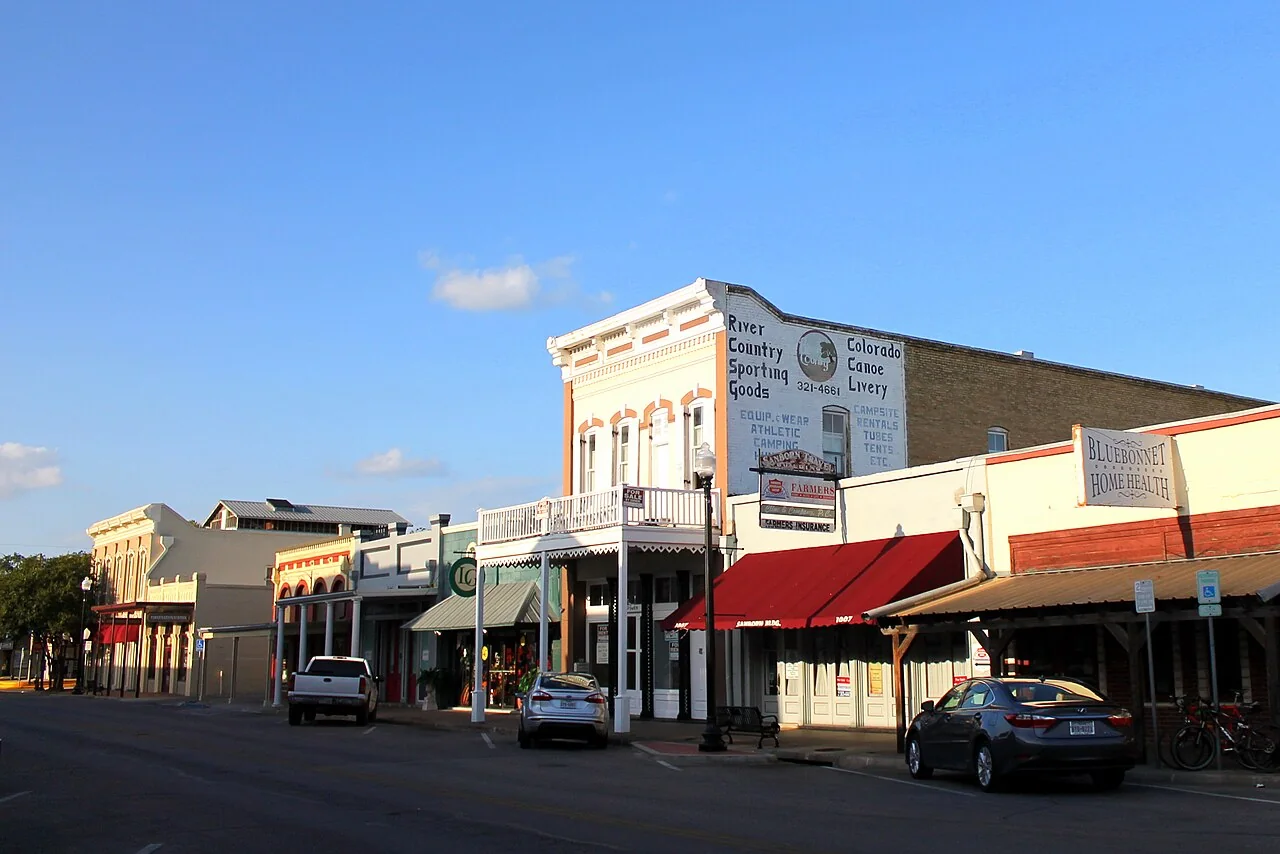
A compact lot near Bastrop's developed center may require attention to fences, neighboring buildings and detached garages. A more wooded property may require a wider explanation of driveway access, pine litter and vegetation beyond the maintained yard. Neither description is a ranking. These are different physical arrangements that deserve different photographs and questions.
For an address outside the city, verify the responding fire department rather than assuming municipal service. Record gates, posted addresses, overhead obstructions and the route from the public road to the dwelling. Ask the department what information is useful for emergency access. Avoid estimating hydrant distance or water availability when the information can be confirmed through an appropriate authority.

Protecting the house also means managing the smaller structures
On a wooded lot, a shed, workshop or carport may sit between vegetation and the main house. Include it in both the maintenance plan and the insurance conversation. Describe fuel storage, equipment, rental use or business activity honestly. An outbuilding can require attention even when the main dwelling has a newer roof and a cleared immediate perimeter.
Ask a qualified fire or mitigation professional to help prioritize larger projects. Removing a few visible trees does not substitute for examining needles on the roof, leaves beneath a deck or a wooden fence that reaches the siding. Work must respect property boundaries and relevant rules. The home-hardening guide provides a framework for organizing building improvements.
Use Bastrop County resources as a continuing reference
Bastrop County Emergency Management provides preparedness information that includes the local wildfire experience. Its outdoor-burning page is a place to check current instructions and linked state resources. A restriction can change, so a saved article or an old social-media image should not be treated as today's authorization to burn.
The county also preserves information about the Hidden Pines Fire. That separate incident is another reason to date historical material clearly. Homeowners comparing records should establish which event a document describes, where the property was located and whether the residence itself was involved. General references to the Bastrop fire can otherwise mix different events and different homes.
Review the financial details of rebuilding before you need them
A recently purchased house can still need a fresh reconstruction estimate. Ask how the insurer accounted for the actual building, detached structures, finishes and site conditions. Land value and sale price are not substitutes for that discussion. If extensive repairs have changed the home, request an updated description instead of simply repeating the previous policy's dwelling limit.
Discuss debris removal, smoke damage, personal belongings and the conditions attached to temporary living expenses. Ask which deductible applies to fire and how replacement-cost payments would work under the offered contract. Keep questions about a nearby watercourse or flood exposure separate. A wildfire policy discussion cannot establish whether flood damage would be insured.
If a standard-market search is unsuccessful, a licensed agent can explain other markets and whether a Texas FAIR Plan application is appropriate. The plan's own coverage and eligibility information should guide that conversation. Compare limitations and missing protections, not just the annual price. Difficult placement is a reason to review options carefully, not a reason to assume there are none.
Make the next step manageable
Gather the written notice, existing policy, claim history, rebuilding documents and one recent set of exterior photographs. Identify unanswered questions rather than guessing at them. Then ask an agent what is needed for a complete submission and when a decision can reasonably be expected. Keep a record of responses so the same unresolved issue does not disappear between conversations.
Prepare a household departure plan independently of that insurance work. Use current official directions during a fire, with medication, pets and essential records considered in advance. A careful property file can help a coverage conversation; it should never delay an evacuation. Bastrop's experience makes early preparation meaningful without requiring homeowners to relive every historic loss.
Explore the Texas guides
Read the Texas wildfire insurance overview for state resources and questions about available insurance paths.
Common questions
Does a previous Bastrop fire mean my lot cannot burn again?
No such conclusion should be drawn. Present vegetation, maintenance and building conditions need their own review. Use dated photographs and current professional advice instead of treating an old fire perimeter as a permanent protective feature.
What matters when my home was rebuilt after 2011?
Provide the reconstruction date, permits or completion records, materials and later improvements. Keep the original loss history accurate. Ask the agent to resolve any mismatch between the replacement building and older property information used in the submission.
Why include pine needles in a property inspection?
The Lost Pines setting makes accumulated needles a locally relevant maintenance issue. Show roof valleys, gutters and areas around outbuildings from safe positions. A qualified professional can help prioritize work without requiring you to climb onto the roof.
Is Texas FAIR Plan automatic for a Bastrop address?
No. The plan has eligibility requirements and defined coverage terms. Ask an authorized licensed agent to assess suitability alongside other available options. Neither the city name nor a regional wildfire history guarantees acceptance or establishes the right policy for your household.
Sources and further reading
- TPWD: Bastrop State Park life after wildfire
- Bastrop County: Emergency preparedness
- Bastrop County: Outdoor burning
- Bastrop County: Hidden Pines Fire
- Texas FAIR Plan: Coverage and eligibility
Program rules and insurance terms can change. Check the linked agency or program before relying on eligibility, coverage, or local requirements.
General educational information. This website does not issue policies, bind coverage, or provide emergency alerts. Coverage and eligibility require individual review.