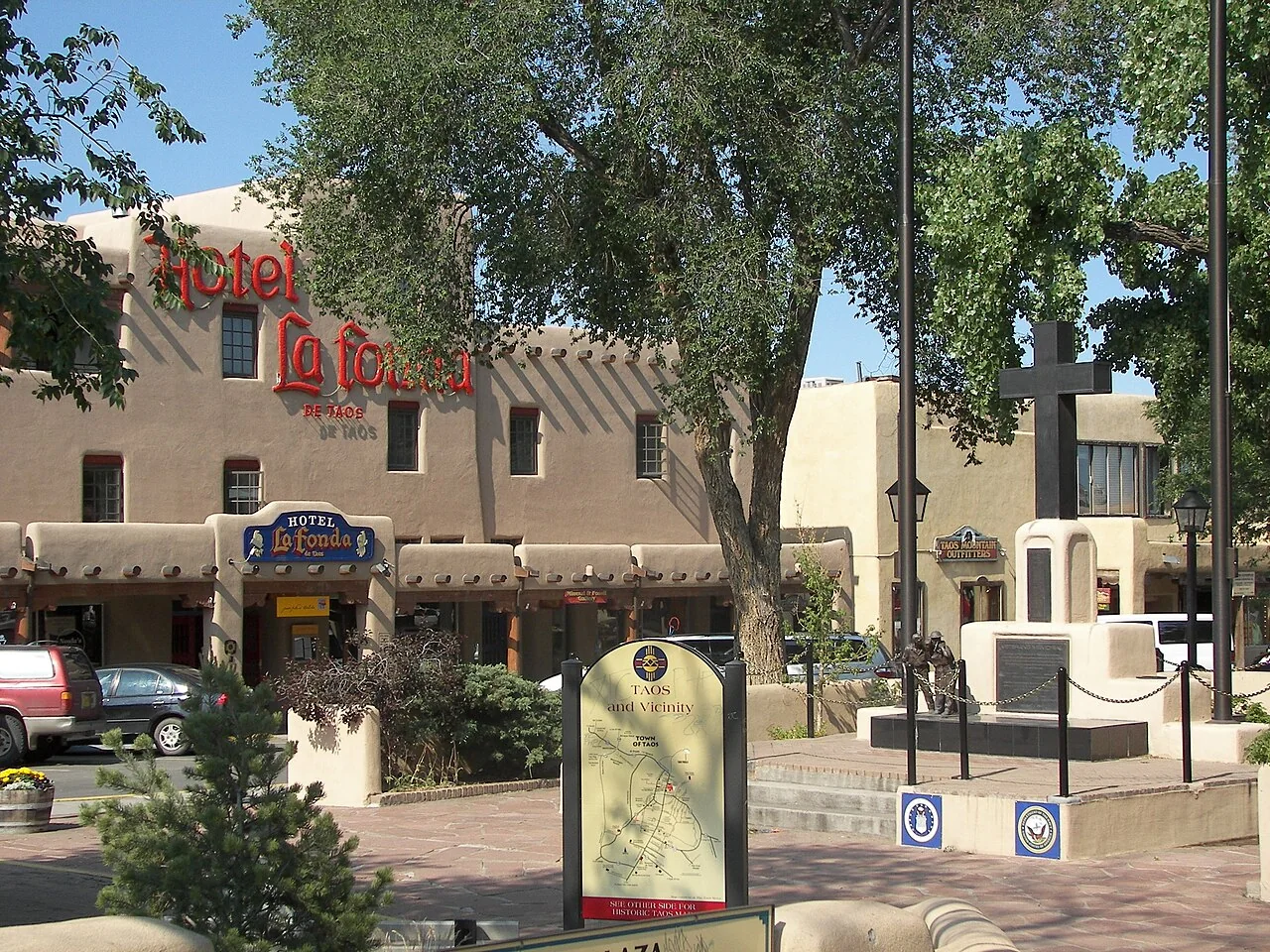

Taos can mean the town, a mailing address or a much broader region in everyday conversation. For homeowners insurance, those meanings should be separated. A house in a developed town setting, a property on open high-desert ground and a home in Taos Canyon need different descriptions of vegetation, access and construction.
The aim is not to rank those locations against one another. It is to explain the actual parcel well enough for a specialist agent to evaluate possible coverage. Start with the municipality or county jurisdiction, responsible fire service and precise address. Then add the landscape and the building's details rather than assuming the word Taos communicates them.
Use the county plan and the relevant community plan
Taos County publishes its 2022 Community Wildfire Protection Plan update. The county's Wildfire Plaza also lists more localized plans, including the 2021 Taos Canyon plan and the 2021 Gallina Canyon and San Cristobal plan. Their existence reflects the need to examine smaller communities within the wider county context.
Find the document relevant to your location and confirm whether an update is available. A plan for Taos Canyon should not be treated as a parcel assessment for the Town of Taos, and a countywide document does not mean every neighborhood has identical conditions. Ask the local authority which recommendations apply to the property.
Record the plan's date when sharing it with an agent. Explain what it contributes, such as community context or a local mitigation priority. Do not present its map as the insurer's risk score or claim that inclusion in a planning area determines eligibility. The building still needs its own accurate record.
Understand the connection to Taos Valley watersheds
Taos County's Wildfire Plaza describes the Taos Valley Watershed Coalition and its work on the western Sangre de Cristo slopes. The coalition connects forest restoration and watershed protection with wildfire concerns. For residents, this is useful context for why projects may involve multiple landowners and agencies beyond a single neighborhood.
A watershed project and a home-improvement project answer different questions. Ask what work has occurred near the property, who maintains it and what remains to be done on the parcel. Keep any public project information separate from your own contractor invoices and photographs. Community restoration does not certify an individual house for insurance.
If the property has drainage or erosion concerns, obtain advice from the appropriate local professional or authority. Discuss flood and other water-related coverage separately with the agent using the actual policy. A nearby watercourse or irrigated landscape should not be treated as proof of either wildfire protection or insurance coverage.
Match photographs to the Taos setting
For an open-ground property, show grasses, shrubs, fences, outbuildings and the transition from maintained space to surrounding land. For a canyon home, add views that explain slope, trees and access. For a smaller town lot, include adjoining structures and the connections between exterior features. The useful view may be behind the house rather than from the street.
Where the home has stucco, masonry or an adobe appearance, document the actual construction rather than relying on appearance alone. Include the roof, eaves, windows, doors, decks and attached elements. A wall finish does not describe the complete building. Ask the agent what material information or records are needed to avoid an inaccurate shorthand description.
Show detached studios, workshops, guest spaces and storage buildings. Note their construction and use. If a building contains business equipment or supports rental activity, say so explicitly. The cultural or architectural character of a Taos property can be important to its owner, but the insurance record still needs concrete information about each structure.
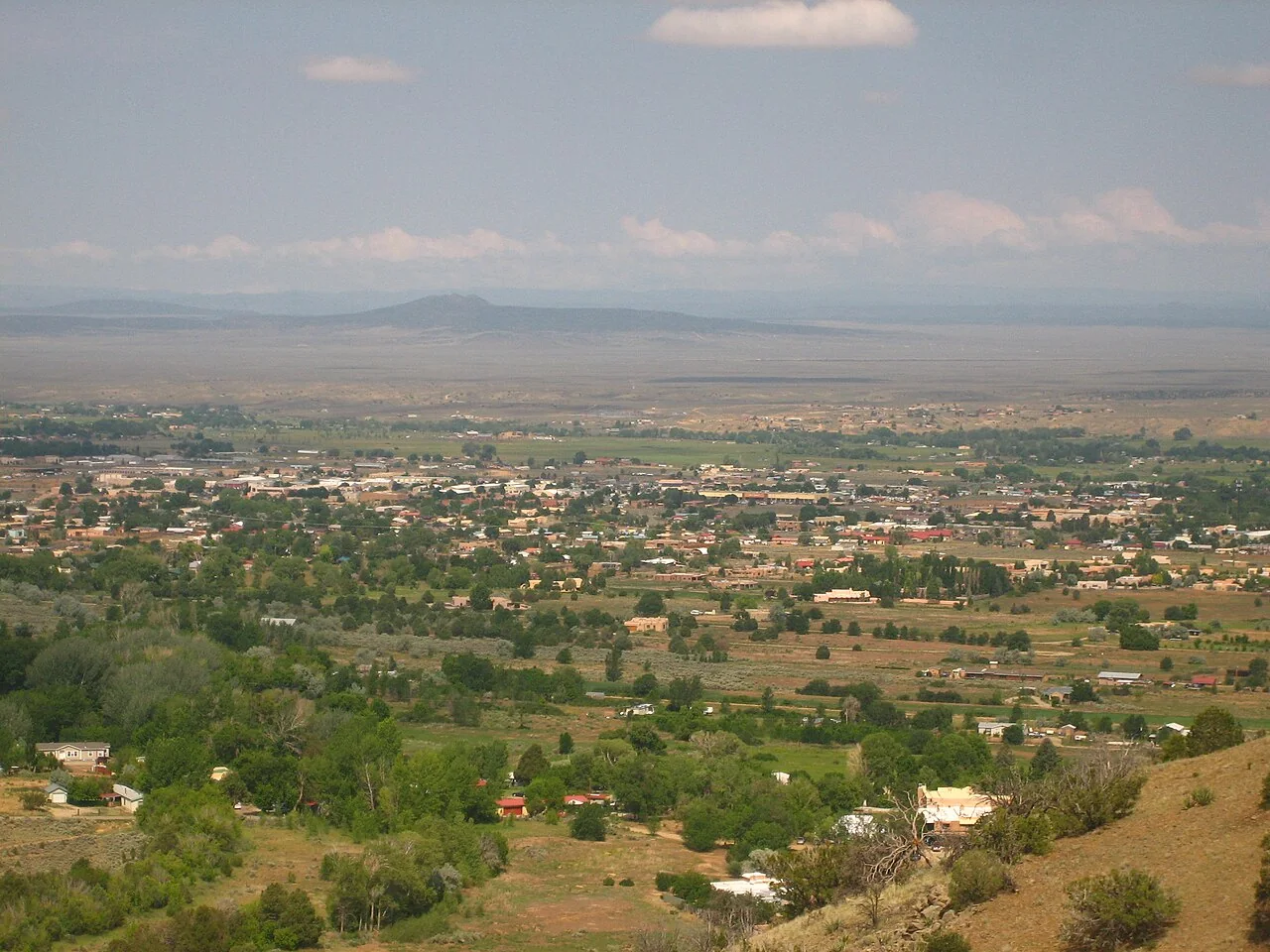

Confirm services and access without assumptions
Taos County's fire directory identifies multiple local departments, including Rio Fernando. Use the official directory or responsible authority to confirm who serves the parcel. A familiar town name or the station you pass most often is not sufficient proof of jurisdiction. Keep the confirmed contact information with the property documents.
Photograph the address marker, driveway entrance and any gate. If access depends on a private road or shared bridge, identify its owner and collect existing maintenance or specification records when relevant. Let the responsible authority answer questions about access requirements and water supply. Do not invent response times or treat an irrigation feature as verified firefighting infrastructure.
For household planning, follow Taos County Emergency Management and the appropriate local jurisdiction's current information. Old incident pages can remain online long after conditions change. Check dates and avoid interpreting a historical statement about one fire as reassurance about today's situation.
Turn mitigation into a documented maintenance plan
Ask a qualified assessor to prioritize the property rather than beginning with a large, undefined clearing project. Bring any insurer request to the discussion. Determine which tasks address the building, which concern vegetation and which require another owner's participation. A clear scope makes the work easier to explain and maintain.
Keep before-and-after images, receipts and completion dates. If a tree or landscape feature must remain for a specific reason, discuss it with the assessor and record the agreed plan. If work is outside your boundary, seek authorization and avoid promising an insurer that someone else will complete it. Honest documentation is more useful than a broad claim of full mitigation.
Revisit the record after meaningful changes, such as a new roof, a renovated studio or a different occupancy arrangement. Our home-hardening guide provides questions for the building review, while local professionals can apply them to Taos conditions.
Review the policy for the home you actually own
Discuss reconstruction needs separately from market price or land value. Ask how custom features, specialized construction, detached buildings and access affect the estimate. Compare dwelling protection, loss settlement, debris removal, ordinance or law provisions and additional living expense. If the home is rented or occupied seasonally, explain that use before evaluating an offer.
When renewal is uncertain, send the specialist agent the complete notice, current declarations and claim-and-repair history. Identify the deadline and distinguish finished improvements from pending work. Ask whether more information can support a current-company review while alternatives are considered. The coverage-options guide helps frame that discussion.
Taos offers locally organized wildfire and watershed resources that can improve a homeowner's understanding of the place. Combine that context with accurate evidence about the parcel and building. No plan or project guarantees an offer, but a clear account gives the insurance review a stronger factual foundation.
Explore the New Mexico guides
Read the New Mexico wildfire insurance overview for state resources and questions about available insurance paths.
Common questions
Is the Town of Taos the same insurance setting as Taos Canyon?
No. They are distinct geographic references, and properties within each can vary. Confirm the parcel location and service jurisdiction. Use the relevant local plan for context, then describe the actual vegetation, slope, access and construction at the home.
Which wildfire plans are listed by Taos County resources?
The county publishes a 2022 countywide update, and Wildfire Plaza lists localized plans including Taos Canyon and Gallina Canyon with San Cristobal. Check the official resources for later updates and applicability rather than assuming one document covers every property in the same way.
Does a stucco or adobe appearance settle wildfire underwriting?
No. The agent needs the actual construction and the rest of the building details, including the roof, openings and attached features. Describe materials accurately and supply records where available. An exterior appearance should not be used as a guarantee of insurability.
Why include watershed information in a Taos property review?
It can explain relevant local projects and questions about surrounding land. Keep it distinct from improvements at the house and from flood-related policy questions. A watershed treatment is useful context, but it does not establish coverage or certify every nearby property.
Sources and further reading
- Taos County: 2022 Community Wildfire Protection Plan
- Taos County Wildfire Plaza: community plans
- Taos County Wildfire Plaza: Taos Valley Watershed Coalition
- Taos County: Emergency Management
- Taos County: fire department directory
Program rules and insurance terms can change. Check the linked agency or program before relying on eligibility, coverage, or local requirements.
General educational information. This website does not issue policies, bind coverage, or provide emergency alerts. Coverage and eligibility require individual review.