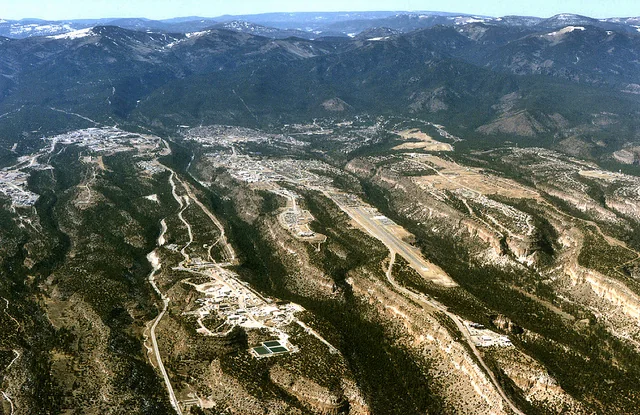


In Los Alamos, a backyard view into a canyon is more than a scenic detail. It can affect how a homeowner describes slope, vegetation, parcel boundaries and the connections between the house and surrounding land. A mesa-top home away from the edge may present a different arrangement. Neither should be reduced to a citywide label when an insurance professional reviews the property.
The county's trail and open-space resources show how canyon corridors connect with everyday life in the community. Its fire department also documents local fuels work. Those resources provide useful context, while your photographs and records explain the structure itself. When insurance is difficult, the combination can support a more accurate discussion than a distant map alone.
Understand the mesa-and-canyon relationship at your address
Start with a sketch showing the house, property line, slope and any nearby public open space. Include decks, additions and detached structures. If the yard reaches a canyon edge, show the ground below from a safe location. Ask an assessor to distinguish work on your parcel from concerns involving county or other land beyond the boundary.
Bayo Canyon, Pueblo Canyon and the county's connected trail corridors are familiar local references, but a trail name does not establish ownership or treatment at a particular house. Use the official parcel information and current project documents. A photograph of public open space should not be presented as evidence that every neighboring yard has been assessed or maintained.
Keep the Cerro Grande history in the right role
The National Park Service documents how the Cerro Grande Fire in 2000 spread into the Los Alamos townsite. That history remains an important reason to take household preparedness and building maintenance seriously. It should not become a shortcut for describing the present condition of a home or predicting where another fire will travel.
If your dwelling was repaired, rebuilt or substantially altered, gather the records for that actual work. Ask whether the insurer's description reflects the current structure rather than an earlier version. Historical community impacts and the property's own claims are different subjects. Use permits, invoices and inspection records to explain what exists now without inferring losses from the neighborhood alone.
Separate public fuels projects from work at your house
Los Alamos County has documented wildfire-fuels reduction involving the fire department and parks or open-space staff. Its published project information includes canyon-area work. These records can help homeowners understand public activity near them, but the scope and date matter. Confirm the exact location before saying a project affects land adjoining your parcel.
For an insurance file, label community work and homeowner work separately. The first might be a county project description and map; the second might be dated roof, deck or landscaping records. Ask the agent what information a company will consider. Public mitigation is valuable context, but it does not certify the condition of the home or guarantee acceptance.
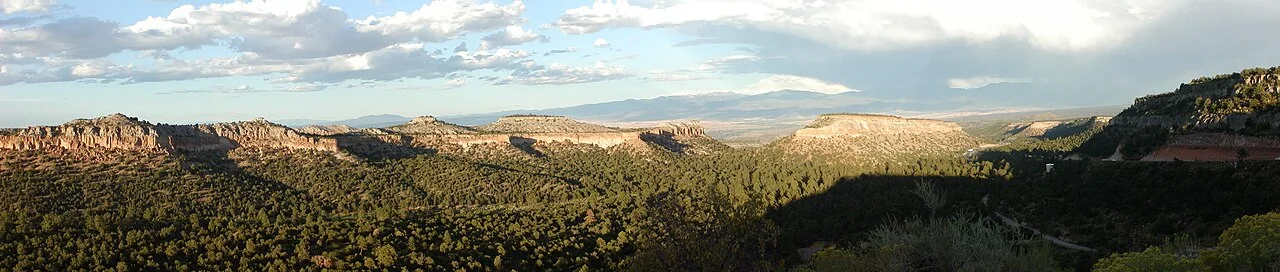

Pay special attention beneath elevated outdoor spaces
A house built to enjoy a canyon view may have decks, stairs or portions of the structure above sloping ground. Show their undersides and the materials stored nearby when you can do so safely. Look at fence connections and vegetation close to supports. Ask a qualified professional about appropriate improvements rather than improvising structural changes.
Continue the review upward to roof edges, gutters, vents and joints between older and newer portions of the building. Additions can create corners where debris accumulates or make an outdated property description inaccurate. Keep product and installation details for completed work. Safe, labeled photographs make it easier to see what was addressed and what still needs attention.
Discuss maintenance limits candidly. You may control a deck and immediate yard while another owner manages the canyon vegetation below. Identify that boundary and ask how coordination should occur. Do not promise that you will clear land you do not own, and do not assume public ownership means the area has already received a specific treatment.
Review older records after major changes
Homes evolve through repairs, renovations, additions and changes of use. Check the square footage, roof information and construction description used for your quote. If a detached space has become an office or guest accommodation, disclose the actual arrangement. When a property record is incomplete, provide reliable documentation so the agent can ask for a correction.
Ask how the rebuilding estimate handles the actual site, access, materials and interior finishes. Review detached-structure limits, roof settlement, applicable deductibles and ordinance-or-law provisions in the proposed policy. A purchase price or a neighborhood average is not a substitute for discussing the dwelling that would need to be reconstructed.
Plan a household response around current instructions
Los Alamos and White Rock households should identify the official emergency resource appropriate to their address and understand how notices will reach them. Familiar commute routes and canyon connections are not automatic alternatives during a wildfire. The right direction depends on the incident and authority instructions. A static article cannot decide which road is safe.
Account for family members in different locations, pets and anyone who needs transport assistance. Keep a contact arrangement that does not require returning home to collect paperwork. Store policy information and a contents inventory accessibly away from the dwelling. If an order requires you to leave, safety comes first; expense documentation and coverage questions can follow.
Ask the insurer to identify the precise concern
If a carrier refers to a canyon location or vegetation, request the available explanation and ask whether it relies on current property information. Supply the assessment, photographs and completed-work records relevant to that concern. A broad statement that the community has improved preparedness may be true but does not answer a specific question about your deck or roof.
Discuss claim history accurately, including dates and repair status, and transmit sensitive records securely. Ask a specialist which options can be investigated for the home as described. Review exclusions, living-expense provisions, deductibles and inspection requirements side by side. The coverage-options guide can help you compare the questions without assuming all proposals work alike.
Build a file that another person can understand quickly
Use a short property summary, a labeled photo sequence and a clear record of improvements. Separate historical context, current conditions and future plans. If work is scheduled but incomplete, say so and identify the expected date. A coherent file gives an agent a better basis for presenting the property and helps prevent repeated requests for missing details.
A difficult renewal deserves careful attention, but it does not mean the search must end with one company's answer. Our nonrenewal guide helps organize the timeline. Los Alamos homeowners can combine local knowledge with accurate building evidence while continuing practical preparedness for the landscape they live in.
Continue exploring New Mexico
New Mexico wildfire insurance guide
Common questions
Does every Los Alamos canyon-edge home receive the same insurance decision?
No. Companies use their own criteria and property information. Describe the actual slope, vegetation, construction and maintenance. Ask what supports the particular decision rather than assuming a canyon-edge label determines every outcome.
Should I include the Cerro Grande Fire in my application?
Answer application questions accurately and provide the actual property claim and repair history requested. Community fire history supplies context, but does not establish whether your home was damaged. Use records for the dwelling rather than assumptions about its neighborhood.
Can county fuels work replace maintenance on my own parcel?
Public projects and private-home maintenance address different areas. Confirm the scope of nearby county work and keep it separate from roof, deck and yard records. Ask a local professional what remains appropriate at the individual property.
What photographs help explain a canyon-side deck?
Include safe wide views showing the deck and slope, then closer views of supports, nearby vegetation and any storage beneath it. Have a professional handle unsafe access. Label dates and pair completed-work photographs with the relevant invoices.
Sources and further reading
- Los Alamos County: fuels mitigation projects
- Los Alamos County: trailheads and canyons
- National Park Service: wildfire and archeology in the Jemez Mountains
- Los Alamos County: 2025 activities and actions
Program rules and insurance terms can change. Check the linked agency or program before relying on eligibility, coverage, or local requirements.
General educational information. This website does not issue policies, bind coverage, or provide emergency alerts. Coverage and eligibility require individual review.