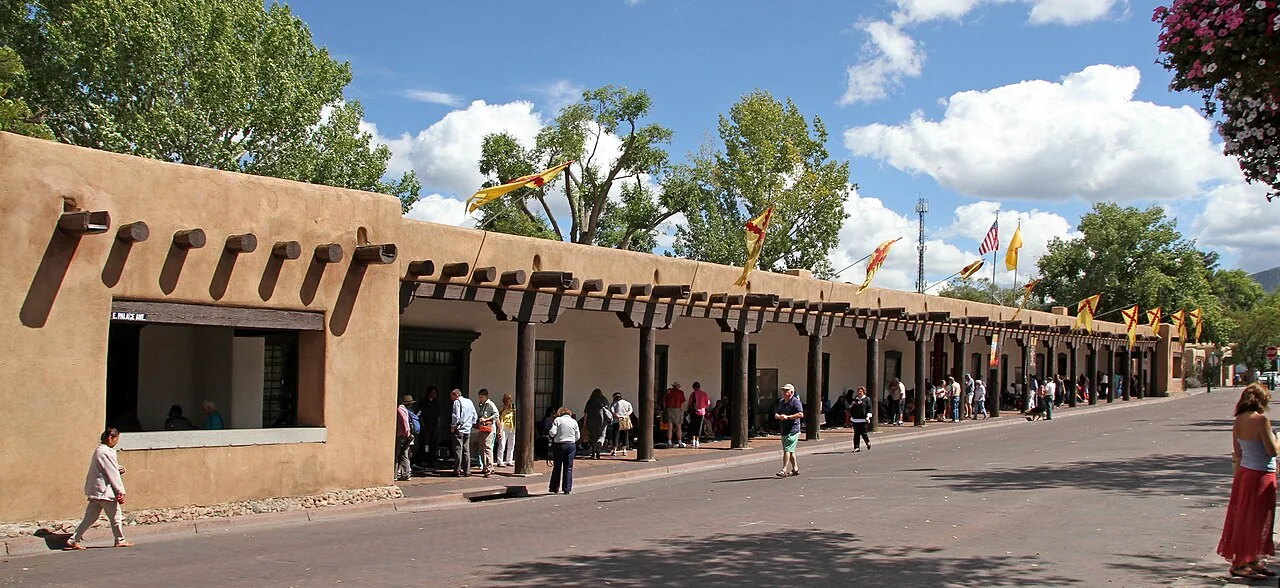

Santa Fe's familiar adobe forms and mountain views do not tell the whole insurance story. A home on a developed street, a residence near piñon-juniper vegetation and a property closer to the forested Sangre de Cristo foothills may need different questions answered. Begin with the parcel and the construction actually present rather than assuming the architectural style settles wildfire exposure.
The Santa Fe Fire Department provides a Wildfire Home Hazard Assessment program and local wildland-preparedness information. These resources make it possible to move from a broad concern to a focused property discussion. If an insurer has declined the home, combine the written reason with an assessment of current conditions and a record of work completed.
Match the local setting to the right authority
A Santa Fe mailing address may refer to a location inside the city or elsewhere in the surrounding area. Confirm the parcel jurisdiction before requesting a city program or citing municipal requirements. The city's wildland-urban-interface resources provide planning context, but community-level information is not an individual insurer's eligibility decision and should not be presented as one.
Describe the transition around your home: maintained courtyard, trees or shrubs, open ground, slope and neighboring buildings. For a foothill address, show the ground above and below the dwelling. For a more compact neighborhood lot, show the connections between fencing, adjacent structures and exterior features. These observations make the submission specific without assigning unsupported ratings to named Santa Fe neighborhoods.
Look beyond an adobe or stucco appearance
A wall finish is only one part of a building. Ask what materials actually make up the roof, exterior openings, doors, overhangs and attached features. If your home has exposed wood, a portal, a deck or a courtyard with combustible furnishings, include those features in photographs. Do not describe the entire house as noncombustible because a listing uses the word adobe.
For a flat or low-slope roof, ask a qualified professional to inspect places where debris can collect around edges, drains and changes in roof level. Obtain photographs safely and keep records of roof repairs. The question is how the specific assembly is maintained, not whether one roof shape guarantees protection. Technical changes should follow appropriate professional and local guidance.
Turn the city assessment into a useful work record
The fire department describes its home-hazard assessment as a way to identify improvements and prepare for wildfire. Ask about availability, eligibility and the scope of an evaluation at your address. Request a written priority list and clarify which work concerns vegetation, which concerns the structure and which may require another authority's involvement.
Santa Fe also describes a process for requesting assistance with hazardous-fuels reduction. Confirm current arrangements directly before assuming a project is funded or scheduled. If you receive recommendations, retain them alongside contractor proposals and completion evidence. An insurance professional can then distinguish an assessor's observation from work you have actually completed.
Ask the agent which records a prospective insurer will accept. A local assessment may provide useful detail, but it is not an underwriting approval. When a carrier requests specific work, show the exact wording to the assessor and contractor. This helps avoid spending money on a project that addresses a different concern from the one in the notice.
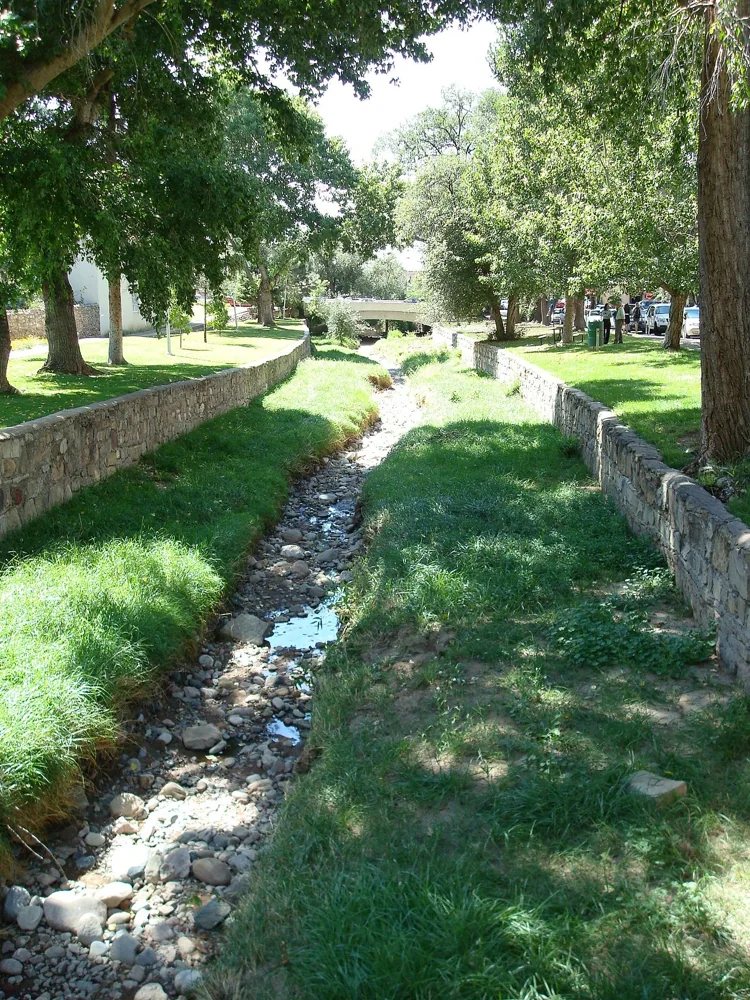

Santa Fe's watershed makes a broader planning conversation useful
The city maintains River and Watershed resources and links residents to information relevant to water, stormwater and post-fire concerns. For a home connected to a drainage, ask the appropriate office what information applies to the parcel. Do not assume that being uphill, away from the river or outside a familiar flood area answers every runoff question.
Keep the resulting insurance discussion separate from the wildfire application. Ask how flood, surface water, erosion or debris-related events are addressed under the policies being considered. A public watershed project is useful community context, not proof that a particular loss would be covered or that the home no longer needs a separate flood review.
Account for courtyards, casitas and changing occupancy
If the property includes a casita, detached studio or guest accommodation, describe its construction and use to the agent. Explain whether it is occupied by family, rented to guests, used for work or normally empty. Do not let a broad term such as guesthouse substitute for the information needed to evaluate the arrangement.
Prepare a sketch showing the structures and the spaces between them. Note shared roofs, connected fencing and outdoor storage. Ask how each structure appears in the proposed limits and whether business or rental activities need additional discussion. A change in use can be relevant even when the exterior has not changed and no new construction was required.
Use Alert Santa Fe and Ready Santa Fe together
The city explains that Alert Santa Fe messages and the Ready Santa Fe information site serve complementary purposes: alerts notify residents, while the site supplies maps and location details. Establish the appropriate official resources for your address and household. Check them before an emergency, including how a visitor or caregiver would find the information.
A printed insurance guide cannot select a safe evacuation route through the foothills or city streets. Follow current authority directions. Prepare transport, medication, pets and assistance needs in advance, and keep policy details accessible away from home. If a disruption requires temporary accommodation, retain relevant orders and expenses while asking the insurer how any living-expense provisions apply.
Make reconstruction questions specific to the building
Custom finishes, older construction, additions and specialized details can complicate a simple replacement estimate. Ask the agent to explain the assumptions and identify any important feature missing from the description. A property's sale price includes location and land factors that differ from the cost of rebuilding. Conversely, an understated description may miss expensive work needed to reproduce the house.
Compare deductibles, settlement provisions, exclusions and any ordinance-or-law coverage. Ask about inspections and post-binding requirements before choosing among proposals. For earlier claims, provide accurate dates and repair records. Our coverage-options guide can help structure the questions, but the final explanation must relate to the policies actually offered.
Take a measured next step after nonrenewal
Gather the notice, renewal deadline, current property photographs and completed-work records. Identify any outdated information precisely. If an insurer's concern relates to vegetation beyond your parcel, document ownership and ask what review is possible rather than promising unauthorized work. A specialist can investigate available paths using a correct description of the home.
A Santa Fe insurance search is stronger when it explains both the regional setting and the individual construction. You can prepare that record while continuing sensible maintenance and emergency planning. Our nonrenewal guidance offers a companion timeline for keeping those tasks organized when coverage has become difficult.
Continue exploring New Mexico
New Mexico wildfire insurance guide
Common questions
Does an adobe appearance make a Santa Fe home automatically insurable?
No. Ask about the actual construction and condition of the roof, openings and attached features as well as the walls. Supply accurate records, and let the agent explain how a particular insurer evaluates the whole property.
Can the city assess my property for wildfire preparation?
Santa Fe Fire Department describes a Wildfire Home Hazard Assessment program. Confirm that your address qualifies and ask what the evaluation includes. Keep written recommendations and clearly distinguish them from completed improvements in an insurance submission.
What is the difference between Alert Santa Fe and Ready Santa Fe?
The city describes alerts as notifications and Ready Santa Fe as a source of maps and detailed location information. Use the official resources together, and verify the right arrangements for your exact address before an emergency.
Should a detached casita be included in the wildfire insurance conversation?
Yes. Explain its size, construction and actual occupancy, including rental or business use. Ask how it is covered in the proposed arrangement and what limits apply. Do not assume it is fully addressed by a generic dwelling description.
Sources and further reading
- City of Santa Fe: Wildland Fire Preparedness
- City of Santa Fe: Ready Santa Fe
- City of Santa Fe: River and Watershed
- City of Santa Fe: wildland-urban-interface areas
Program rules and insurance terms can change. Check the linked agency or program before relying on eligibility, coverage, or local requirements.
General educational information. This website does not issue policies, bind coverage, or provide emergency alerts. Coverage and eligibility require individual review.