
Oklahoma homeowners may need to explain more than a street address when seeking insurance near brush or grassland. Roof condition, combustible materials near the building, occupancy and past repairs all belong in a clear property record. The goal is to help a licensed agent investigate realistic options while you track the date your current protection ends.
Understand what OK-MAP does
Oklahoma's Market Assistance Program, OK-MAP, helps qualifying homeowners seek coverage from participating insurers. The Oklahoma Insurance Department's 2026 program bulletin confirms this assistance route. OK-MAP is market assistance, not a FAIR Plan policy issued by the program.
Ask about current qualifications, what information to submit and who will follow up. Participating insurers still evaluate applications. A referral is not a quote, an offer or permission to cancel existing insurance. An agent can also explain private-market choices, including any specialty option suitable for your home.
How the location changes the conversation
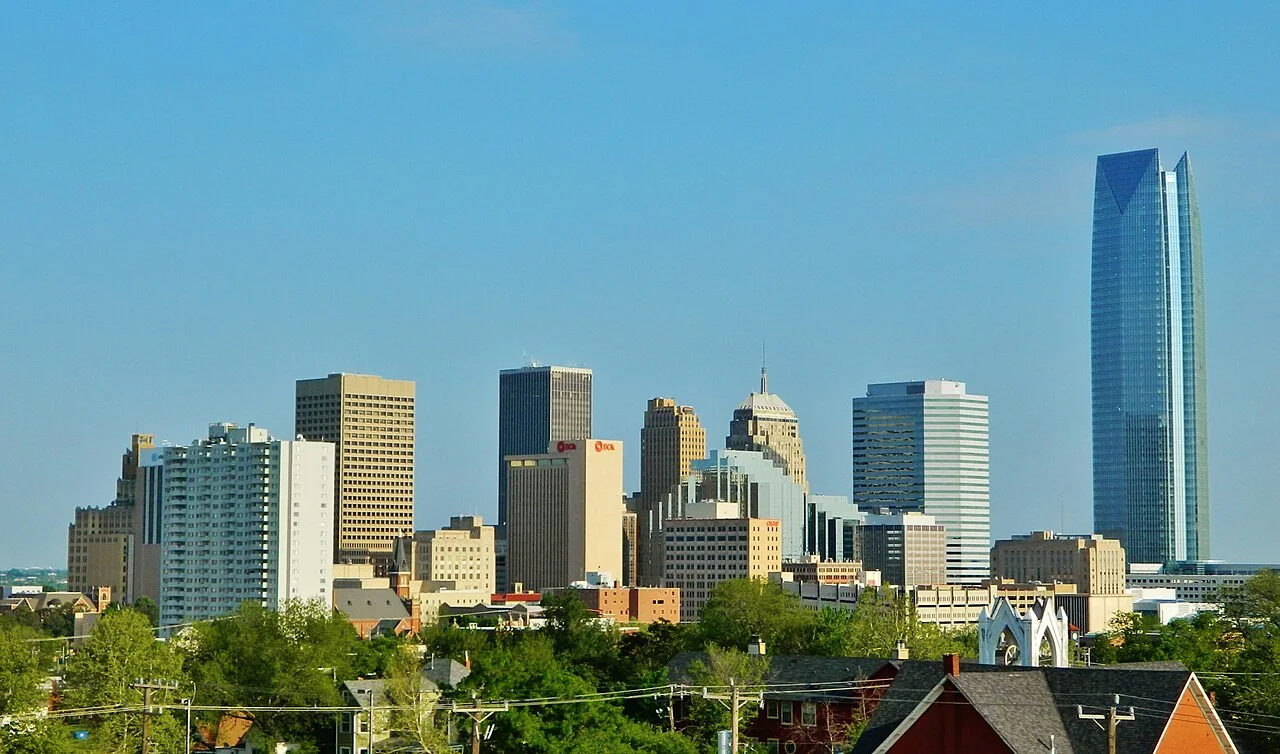
The five areas below illustrate different combinations of grass, wooded land and development. They are starting points for discussion, not a ranking of neighborhoods or an insurance eligibility map. Homes within the same city can have substantially different surroundings.
| City / area | Why wildfire / brushfire exposure varies | State FAIR Plan? |
|---|---|---|
| Oklahoma City Metro Edge | Prairie grass, eastern redcedar and exurban development; review the vegetation, access and construction at the actual property. | OK-MAP assistance; not a FAIR Plan policy |
| Tulsa | Tallgrass, redcedar and Cross Timbers woodland; review the vegetation, access and construction at the actual property. | OK-MAP assistance; not a FAIR Plan policy |
| Norman | Prairie, redcedar and wooded rural acreage; review the vegetation, access and construction at the actual property. | OK-MAP assistance; not a FAIR Plan policy |
| Stillwater | Prairie, redcedar and post-oak countryside; review the vegetation, access and construction at the actual property. | OK-MAP assistance; not a FAIR Plan policy |
| Lawton | Prairie, redcedar and granite canyon terrain; review the vegetation, access and construction at the actual property. | OK-MAP assistance; not a FAIR Plan policy |
Compare the complete insurance arrangement
A price comparison is useful only when the protection is understood. Have the agent explain the proposed policy form and identify the provisions that matter for your property.
- Fire and wildfire terms: Confirm whether they are covered, whether any exclusion applies and what must happen before coverage starts.
- Building settlement: Compare replacement-cost and actual-cash-value terms, the rebuilding estimate, roof treatment and any insurance-to-value condition.
- Temporary housing: Review additional living expense coverage, its limits and the circumstances that trigger payment.
- Other parts of the property: Check contents, detached buildings, fences and liability rather than assuming all appear in every offer.
- Your share of a loss: Compare applicable deductibles, including separate wind or hail deductibles, and ask about inspections or repair conditions.
Respond to a nonrenewal with a short action list
- Save the notice and declarations page. Record the insurer's written reason and the effective date shown on the notice.
- Ask the insurer or agent whether corrected information, completed repairs or another review could change the decision. Do not assume that request extends coverage.
- Prepare a claims history with dates, causes and repair documentation. Include roof details, photographs, occupancy and any detached structures.
- Ask a licensed agent to review available markets and whether OK-MAP is appropriate. Keep a record of submissions and responses.
- Before replacing coverage, obtain written confirmation of the new policy's effective date and terms. Coordinate any mortgage requirements and avoid an unintended gap.
If the notice or process is unclear, contact the Oklahoma Insurance Department. Its consumer role is different from an insurer's underwriting decision. Our nonrenewal guide can help organize the documents.
Make mitigation evidence useful
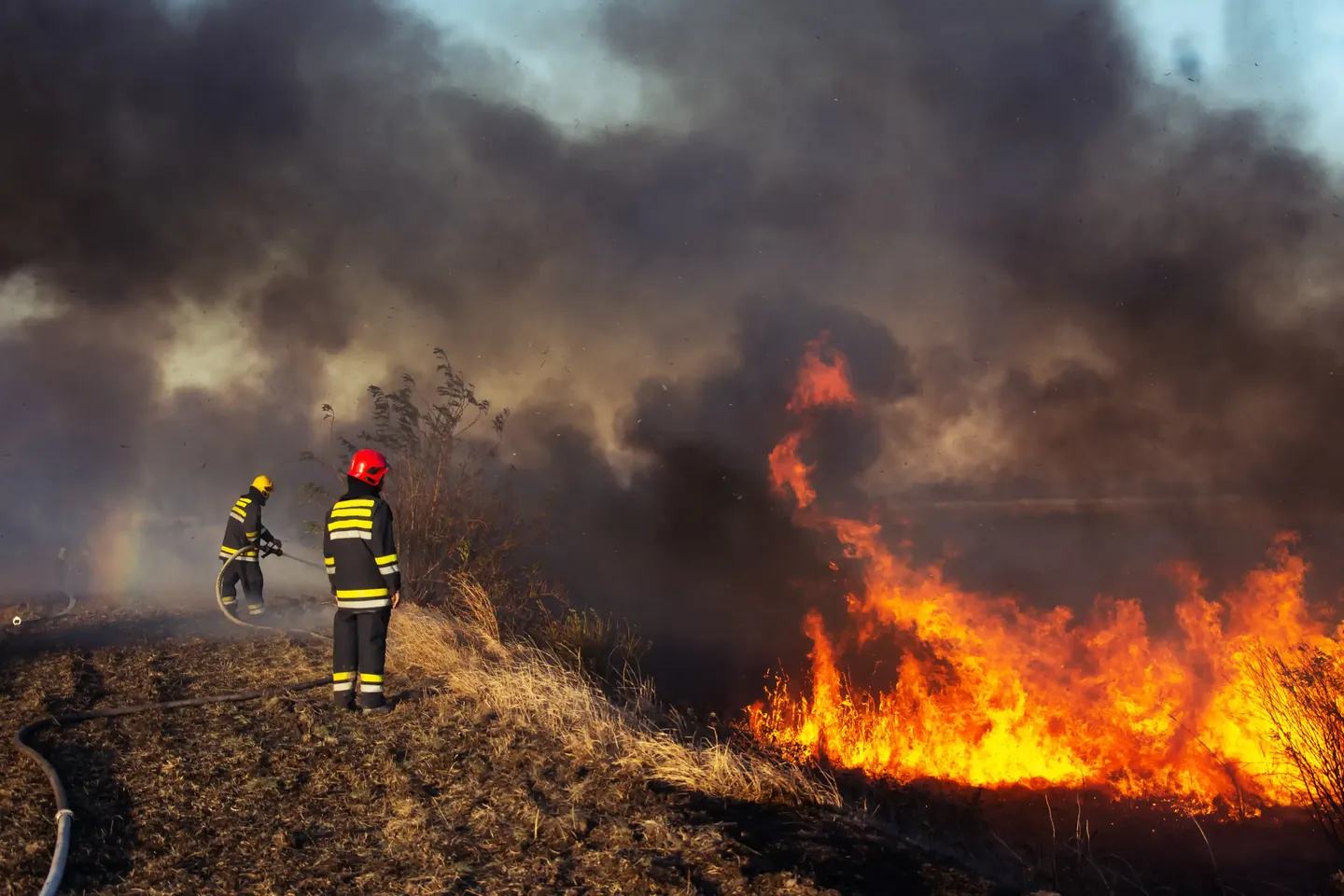
Oklahoma's wildfire-prevention guidance discusses roofs, decks, vegetation and emergency access. Ask your local fire department or Forestry Services which issues deserve attention at your address. Address landscaping and stored combustible material together with the building's vulnerable features.
Keep dated before-and-after photographs and receipts. Ask the insurer what evidence it accepts before commissioning an expensive project solely for insurance purposes. Work that reduces exposure can be worthwhile, but it does not guarantee approval, renewal or a discount. Maintenance continues after a photograph is taken, so keep the record current.
Describe grass, wooded corridors, and the edge of development
Oklahoma wildfire questions are not limited to a remote forest setting. A homeowner at a metro edge may need to discuss open vegetation, a wooded drainage, a neighboring vacant parcel, or combustible items near buildings. The local guide should help you identify those questions without labeling an entire city as one level of risk.
For a useful property record, photograph the maintained yard and the transition beyond it. Include fences, sheds, decks, and the approach to the house. Tell the agent which structures are insured and how they are used. A workshop, rental unit, or storage building should not be left to inference from a street photograph.
Use market assistance with realistic expectations
OK-MAP is a market-assistance route, not a FAIR Plan insurer issuing a universal fallback policy. Ask the Oklahoma Insurance Department or the responsible professional what information is needed and how the current process works. Assistance locating possibilities is different from a guarantee that a company will accept the home.
Keep the same accurate property details available for any resulting conversation. A consistent record reduces confusion when more than one professional reviews the situation. Include the current policy, ending date if applicable, prior claim information, and evidence of completed repairs.
When a quotation arrives, compare the actual wildfire terms and the rest of the homeowners protection. The reason for shopping may be brushfire exposure, but dwelling valuation, contents, liability, and living expenses remain important. Ask about deductibles, inspection conditions, and any limitation tied to a roof or other building component.
If you are repairing a previous loss, distinguish completed work from work planned or under contract. Ask which evidence is needed for unfinished items and how that affects the proposed effective date. Do not describe a project as complete until it is.
Use local emergency and fire resources for preparedness and current directions. Insurance assistance cannot replace an evacuation plan or determine whether a road is safe. Maintain separate contact lists for urgent safety information and routine insurance questions so each issue reaches the proper organization.
Common questions
Is OK-MAP the same thing as buying a FAIR Plan policy?
No. OK-MAP is a market-assistance route connecting qualifying applicants with participating insurers. Confirm the current qualifications and submission process; the program does not promise that an insurer will offer or bind a policy.
Should I apply through OK-MAP before speaking with an agent?
Start by discussing your circumstances with a licensed agent and reviewing the program instructions. The agent can help clarify available private-market options, needed documents and whether market assistance fits the situation.
Can grassland exposure matter without a forest next door?
Yes, Oklahoma wildfire-prevention planning includes combustible vegetation near structures. Ask a local fire professional to assess the actual surroundings and discuss those findings with the insurer, rather than assuming a city address settles the question.
What records help explain a repaired prior claim?
Keep the loss date, cause, claim status, contractor invoices and photographs of completed work. Ask the agent what the insurer requires and use the professional's approved secure channel for private policy and claim documents.
Sources and further reading
Program rules and insurance terms can change. Check the linked agency or program before relying on eligibility, coverage, or local requirements.
General educational information. This website does not issue policies, bind coverage, or provide emergency alerts. Coverage and eligibility require individual review.