Put people and safe departure first
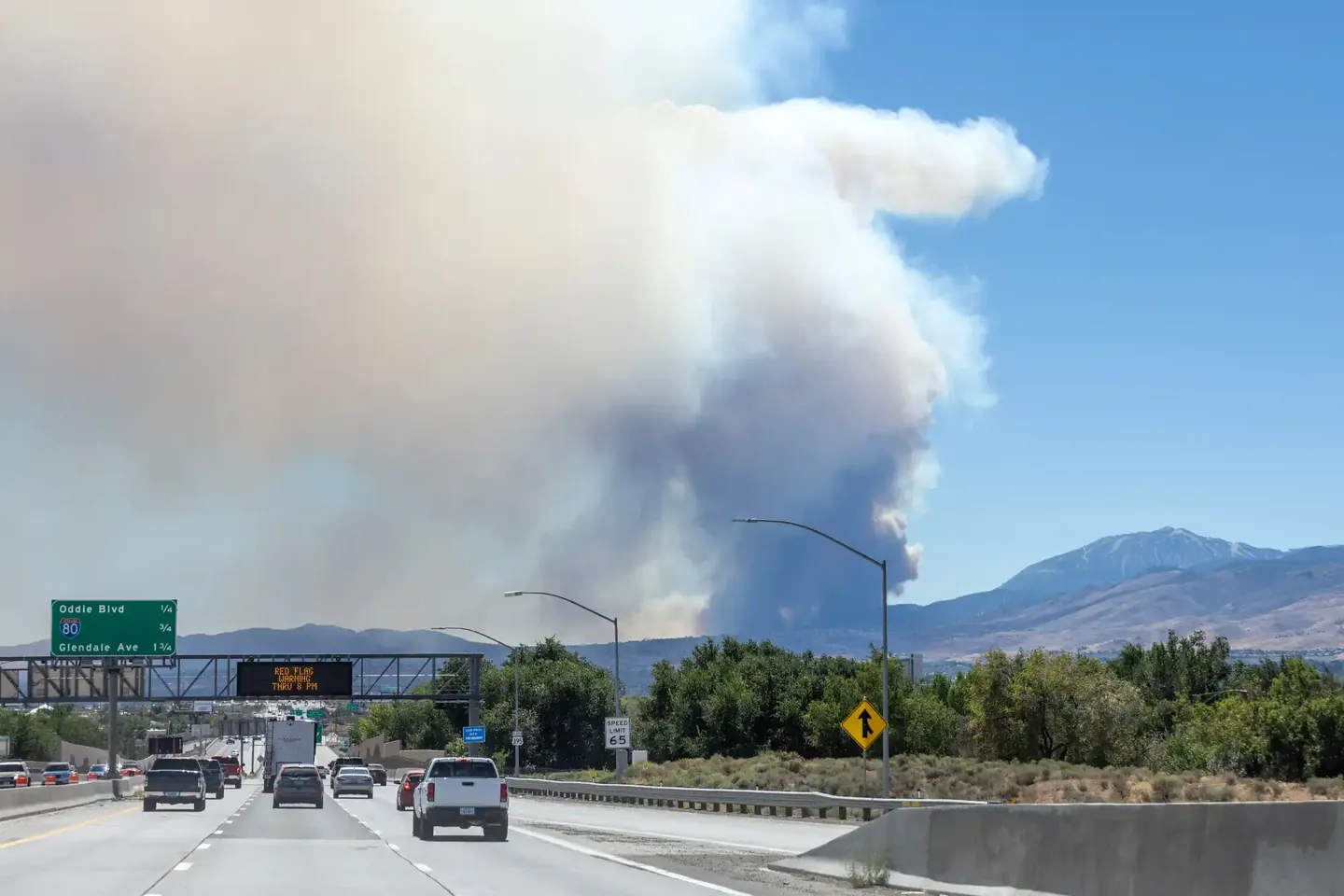
Wildfire evacuation preparation is a household safety task. It should not depend on insurance approval, finishing a property inventory, or completing mitigation work. Ready.gov advises planning routes, practicing with pets, and identifying a destination before wildfire threatens. Conditions can change quickly, and official local instructions take priority over any general checklist or previously chosen route.
If you are told to evacuate, leave promptly. Do not remain to photograph rooms, move outdoor furniture, clear brush, or collect paperwork that was not prepared. If immediate danger prevents a safe departure, contact emergency services and follow their instructions. This educational guide cannot assess an active fire, a road's safety, or your present location.
Choose reliable alerts and a communication plan
Find your local emergency-management or public-safety alert system and enroll in advance. Check that household members know how alerts appear and that contact details are correct. Include work, school, and caregiver arrangements in your plan. Ask local officials about accessible alerts and other options if mobile service, hearing, vision, or language presents a barrier.
Choose an out-of-area contact who can help exchange updates if household members separate. Save key numbers in phones and keep a paper copy with supplies. Decide what information to send: your name, whether you are safe, your destination, and any assistance needed. Keep messages brief so others can understand them under stress.
Practice a communication problem as well as a departure. Ask what you would do if one phone were unavailable, a child were at an activity, or a caregiver were elsewhere. Record the backup arrangements clearly. A plan that assumes everyone is already home together can miss the circumstances most likely to slow a real response.
Plan destinations, transportation, and alternatives
Review possible evacuation routes with local guidance and identify more than one destination outside the immediate area. Ask what public shelter information will be available during an event. Do not assume that the closest hotel, familiar road, or usual gathering place will remain accessible. Emergency directions and closures may change the plan.
Identify who drives, who needs a ride, and what happens if the primary driver is away. Arrange help ahead of time for someone who does not drive or needs an accessible vehicle. Discuss transportation needs with local emergency services or community support organizations before wildfire season. An informal offer from a neighbor should have a backup.
Practice the departure
Run a calm household practice in ordinary conditions. Locate keys, carriers, shoes, mobility aids, and the prepared bags. See whether everyone understands their role and whether the vehicle can hold essential passengers and equipment. Revise the plan when the practice exposes a problem. Never conduct a drill in a way that obstructs emergency access.
Prepare supplies you can actually take
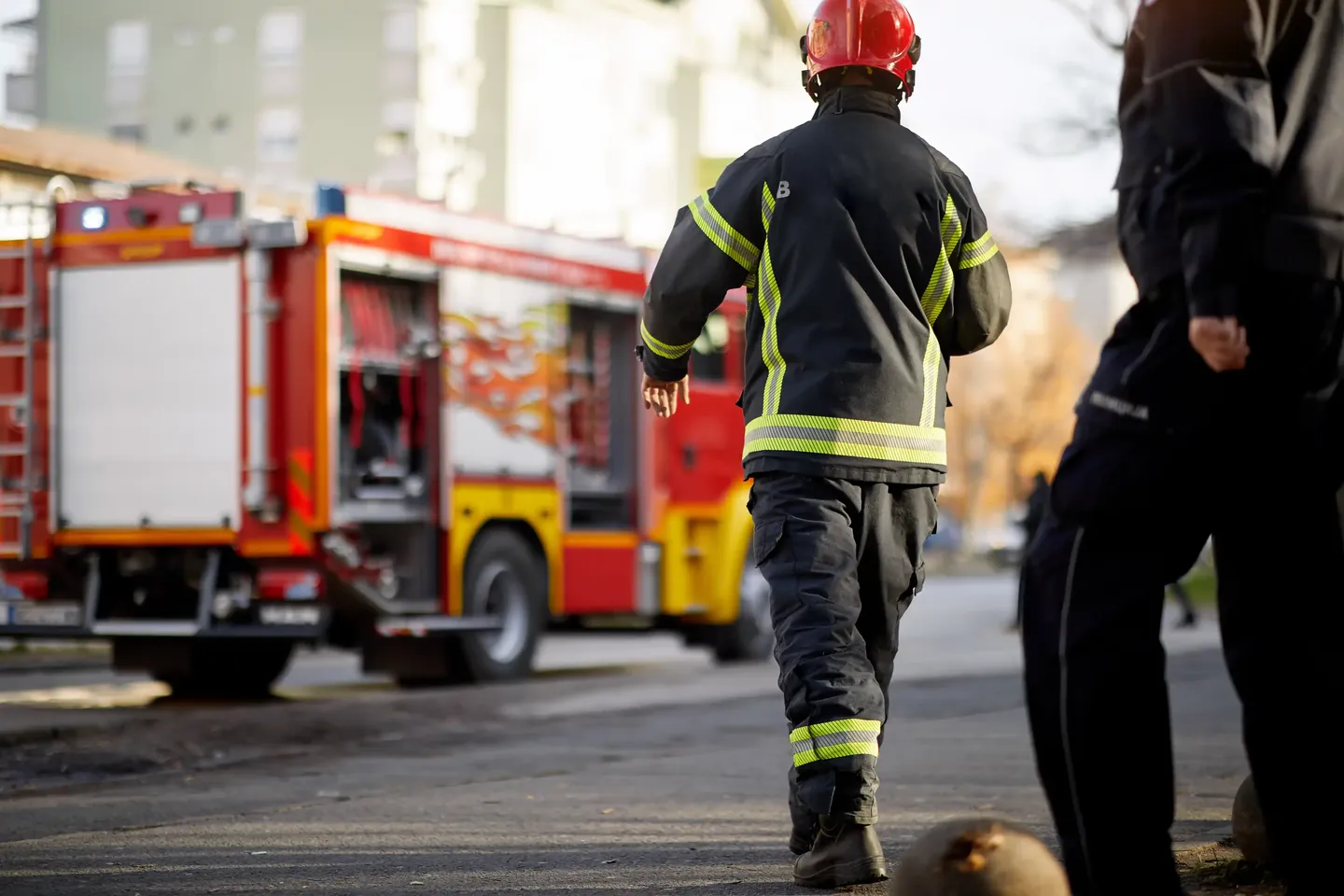
Use Ready.gov's emergency supply guidance as a starting point and adapt it to the household. Include water, food suitable for your needs, a flashlight, charging equipment, a radio, basic hygiene items, and essential documents. Keep supplies manageable for the people carrying them. Store the kit where household members can reach it without searching.
Plan for medicines and medical equipment with the appropriate clinician, pharmacist, or equipment provider. Ask about safe storage, backup power, and what to do if normal services are interrupted. Include written information about essential needs and contacts. Do not change medication instructions or improvise equipment use based on a general emergency checklist.
Review supplies on a schedule that fits the household and after any change in needs. Replace expired items, refresh contact information, and check chargers and batteries. Children grow, medical arrangements change, and a once-useful kit can become difficult to carry. Preparation should be sustainable rather than an expensive one-time purchase followed by neglect.
Include pets and accessibility needs
Plan how each animal will travel, who will collect it when safe, and where it can stay. Keep suitable carriers, leashes, food, water, and veterinary records ready. Verify pet arrangements at your intended destination. Service animals and household pets can be subject to different accommodation rules, so ask specific questions before relying on a shelter.
People who need assistance should be involved in designing their own plan. Discuss mobility, communication, sensory, power, caregiver, and transportation needs. Identify trusted people who know how to help and what equipment is essential. Write the plan in an accessible format and avoid relying on a single helper who may be unavailable.
For animals with specialized transport needs, consult a veterinarian or appropriate local organization well ahead of a fire. Do not assume a car full of household supplies leaves room for every carrier. Practice safe loading in advance. During an emergency, do not enter an unsafe area or re-enter a threatened property to retrieve belongings or animals.
Prepare your insurance file in advance
Keep copies of current policy information, insurer contact details, identification, and essential property records in a secure place you can access away from home. Consider a protected digital copy and a compact physical copy. Avoid leaving sensitive documents exposed in a vehicle. Share access arrangements only with trusted people who need them.
Make a home inventory during ordinary conditions. Photographs, descriptions, and purchase records can help explain what you owned if a claim is necessary. Store the inventory away from the only device or location that could be lost. You do not need to finish every room in one session; steady progress is useful before an emergency.
Ask your insurance professional how loss-of-use or additional-living-expense coverage works under your policy. An evacuation does not by itself establish that every hotel, meal, or transport bill is covered. Ask about qualifying events, limits, time periods, and documentation. Once safe, contact the insurer about a potential claim and preserve expense receipts.
After leaving, use official instructions
Let your designated contact know your status when it is safe to do so. Monitor official updates and return only when authorities say it is safe. Road access does not necessarily establish that a building is safe to enter. Follow instructions about utilities and damaged structures, and use qualified professionals for hazards that require expertise.
When normal routines resume, review what worked and what needs improvement. Update your supplies and contacts before putting the plan away. Connect evacuation preparation with defensible space, home hardening, and an advance coverage review. Each serves a different purpose, with life safety always the priority.
Common questions
Should I wait to finish my home inventory before leaving?
No. Leave promptly when directed and follow local emergency instructions. Inventories and insurance photographs are advance preparation tasks, never reasons to delay evacuation.
What if the route in my written plan is closed?
Follow current official directions and road closures. Planned alternatives help you prepare, but this website cannot determine which route is safe during an incident.
How do I plan for a family member who needs assistance?
Discuss their needs with them and arrange transportation, equipment, communication, and trusted helpers in advance. Ask local emergency-management staff about accessible support and backup arrangements.
Can I assume every evacuation shelter accepts pets?
No. Verify pet accommodation and transport arrangements ahead of time. Ask about service animals separately, and keep a backup destination suitable for your household and animals.
Does an evacuation order guarantee hotel reimbursement?
No. Eligibility depends on the policy, its coverage triggers, limits, and circumstances. After reaching safety, contact the insurer and retain receipts. Do not wait for coverage confirmation before evacuating.
Should I turn off gas or other utilities before leaving?
Follow directions from local authorities and utility providers. Do not delay departure or undertake unfamiliar utility tasks because of a generic checklist.
Where should I keep policy records?
Keep secure copies accessible away from home, with insurer contact details and relevant policy information. Protect personal information and avoid relying on one device or paper file.
When is it safe to return?
Return only when local authorities say it is safe. Follow their instructions about access, structures, utilities, and other hazards. Insurance or contractor access does not replace emergency guidance.
Sources and further reading
- Ready.gov: Wildfires
- Ready.gov: Evacuation
- Ready.gov: Build a kit
- Ready.gov: Prepare your pets
- Ready.gov: People with disabilities
- NAIC: Protecting your home from wildfires
Program rules and insurance terms can change. Check the linked agency or program before relying on eligibility, coverage, or local requirements.
General educational information. This website does not issue policies, bind coverage, or provide emergency alerts. Coverage and eligibility require individual review.